


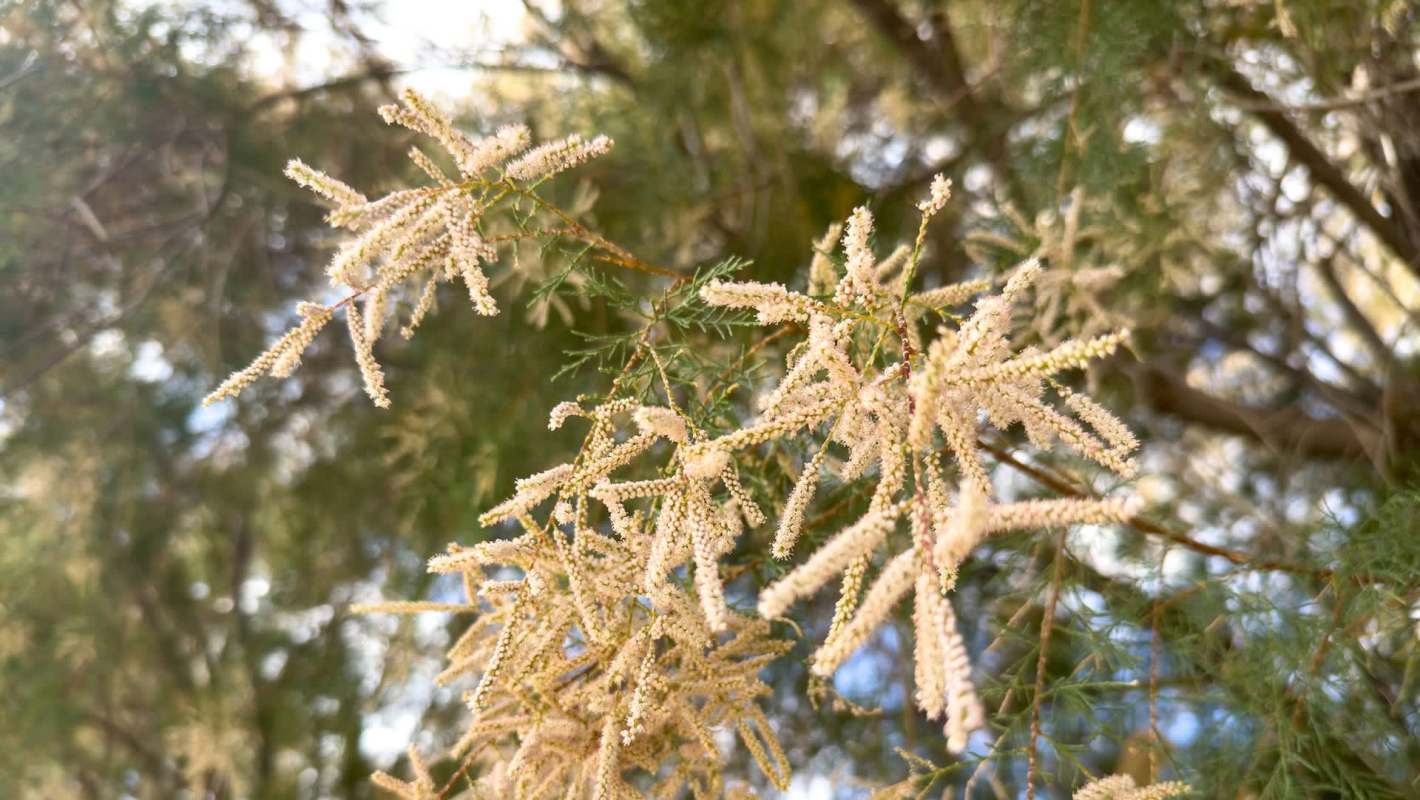
Invasive salt cedar trees are making Arizona's Hazen Fire near Buckeye even harder to fight, adding another layer of danger to an already risky blaze.
What's happening?
According to AZFamily, invasive salt cedar is making the Hazen Fire especially challenging to contain.
Also called tamarisk, the non-native tree forms dense, hard-to-cross thickets and leaves behind dry debris that burns fast, raising the stakes for firefighters and nearby communities as the Southwest endures longer, drier fire seasons.
The tree can create barriers that keep firefighters from moving in quickly, slowing crews as they try to reach flames and hotspots.
By the fifth day of the fire, 1,191 acres had been scorched. As of May 7, the fire was 78% contained.
Why are salt cedar trees concerning?
Salt cedar is more than a firefighting challenge. AZFamily reported that the species was brought to the United States in the 1800s for landscaping and erosion-control purposes. Since then, it has spread widely along Western waterways.
TCD Picks » Quince Spotlight
💡These best-sellers from Quince deliver affordable, sustainable luxury for all




That expansion has had major consequences. As Smithsonian Magazine observed, salt cedar crowds out native cottonwoods and willows, shrinking habitat for wildlife that rely on those trees.
NASA noted that it also draws up groundwater in already-stressed landscapes, which can dry floodplains and leave river corridors less healthy and more vulnerable to fire.
For people, that means a plant invasion can become a public safety issue. Dense tamarisk stands can slow emergency response, increase risks for firefighters, and extend smoke and fire threats for nearby residents. In a hotter, drier region where water is already limited, invasive species like salt cedar can also worsen the conditions that make post-fire recovery more difficult.
In other words, this is not just about one tree species. It is about how damaged ecosystems can stand in the way of safer, more resilient communities.
What's being done about salt cedar trees?
Land managers across the West have spent years trying to control tamarisk through removal projects, habitat restoration, and efforts to reestablish native plants along rivers and floodplains. Replacing salt cedar with native cottonwoods, willows, and other species can improve wildlife habitat, ease pressure on water supplies, and reduce some of the fuel buildup that can intensify fires.
People can help by avoiding invasive ornamentals in their own yards, choosing native landscaping, and supporting local watershed and habitat restoration programs. Volunteering with conservation groups, backing funding for invasive-species removal, and supporting fire-prevention and river-restoration work can also help reduce future risk.
For places like Buckeye, that work matters well before the next fire begins.

Get TCD's free newsletters for easy tips, smart advice, and a chance to earn $5,000 toward home upgrades. To see more stories like this one, change your Google preferences here.







