


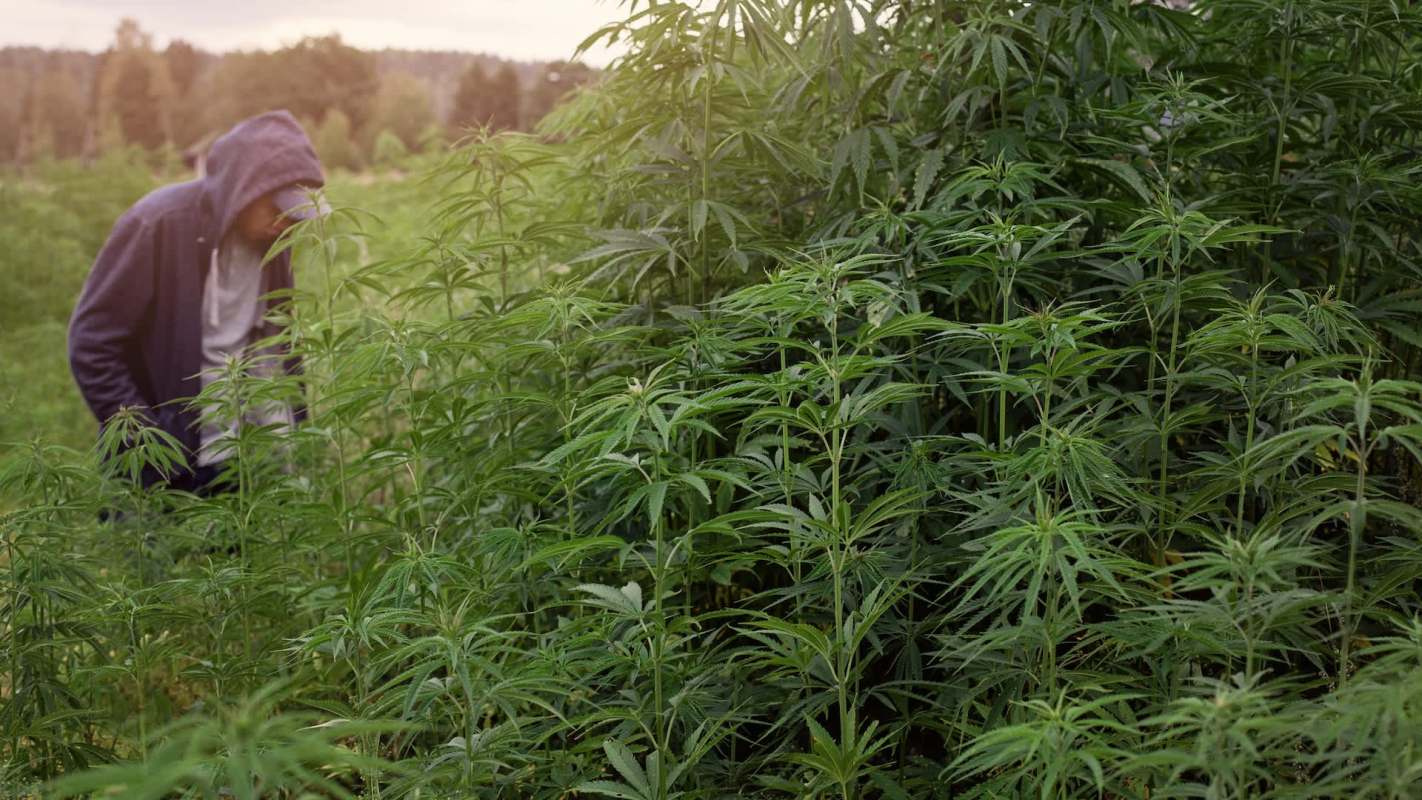
When illegal cannabis sites are raided in California, the hazardous waste is left behind, and it's harming forests. According to Cal Matters, pesticide sprayers, personal care products, painkillers, and plastic are strewn across these areas that are abandoned. The items leach pollutants into soil, which end up in nearby creeks and streams and are detected months or years later.
According to Gov. Gavin Newsom's office, the raids have been extensive, with the state seizing $1.2 billion in illicit cannabis products through the Unified Cannabis Enforcement Task Force.
But little funding is going toward cleaning up these sites. In 2024, lawmakers passed a bill to have the state Department of Fish and Wildlife study the issue. The results aren't expected until 2027.
There is also a backlog for cleaning the sites due to limited resources.
Ecologist Greta Wengert, co-founder of the Integral Ecology Research Center, is conducting the study for the state and counted almost 7,000 abandoned cannabis farms. She expects that to be an underestimate.
She has found pesticide canisters that were chewed through.
"They're just these little death bombs, waiting for any wildlife that is going to investigate," she said.
This isn't the first time Wengert has collected data on these sites. She and her team have warned that they can have dire consequences for forests and their ecosystems.
According to Cal Matters, "They've found carcasses of creatures so poisoned even the flies feeding on them died."
It's not a new problem. In 2024, The Guardian reported that Siskiyou County Environmental Health Division community development director Rick Dean said it was hard to find wildlife in Mount Shasta.
TCD Picks » Quince Spotlight
💡These best-sellers from Quince deliver affordable, sustainable luxury for all




|
Which of these savings plans for rooftop solar panels would be most appealing for you?
Click your choice to see results and speak your mind. |
 Save $1,000 this year 💸
 Recently, the CDFW cleaned up "nearly 1,500 pounds of trash, 4,000 feet of irrigation pipe, and seven pesticide containers," per Cal Matters.
That's only one site, though, and ecologist Mourad Gabriel believes it could take years to clean up all of them.
"This site will sit on this landscape until someone acquires some level of funding," Gabriel said. "And no one can really push it, until we actually get that data."

Get TCD's free newsletters for easy tips to save more, waste less, and make smarter choices — and earn up to $5,000 toward clean upgrades in TCD's exclusive Rewards Club.
Cool Picks






