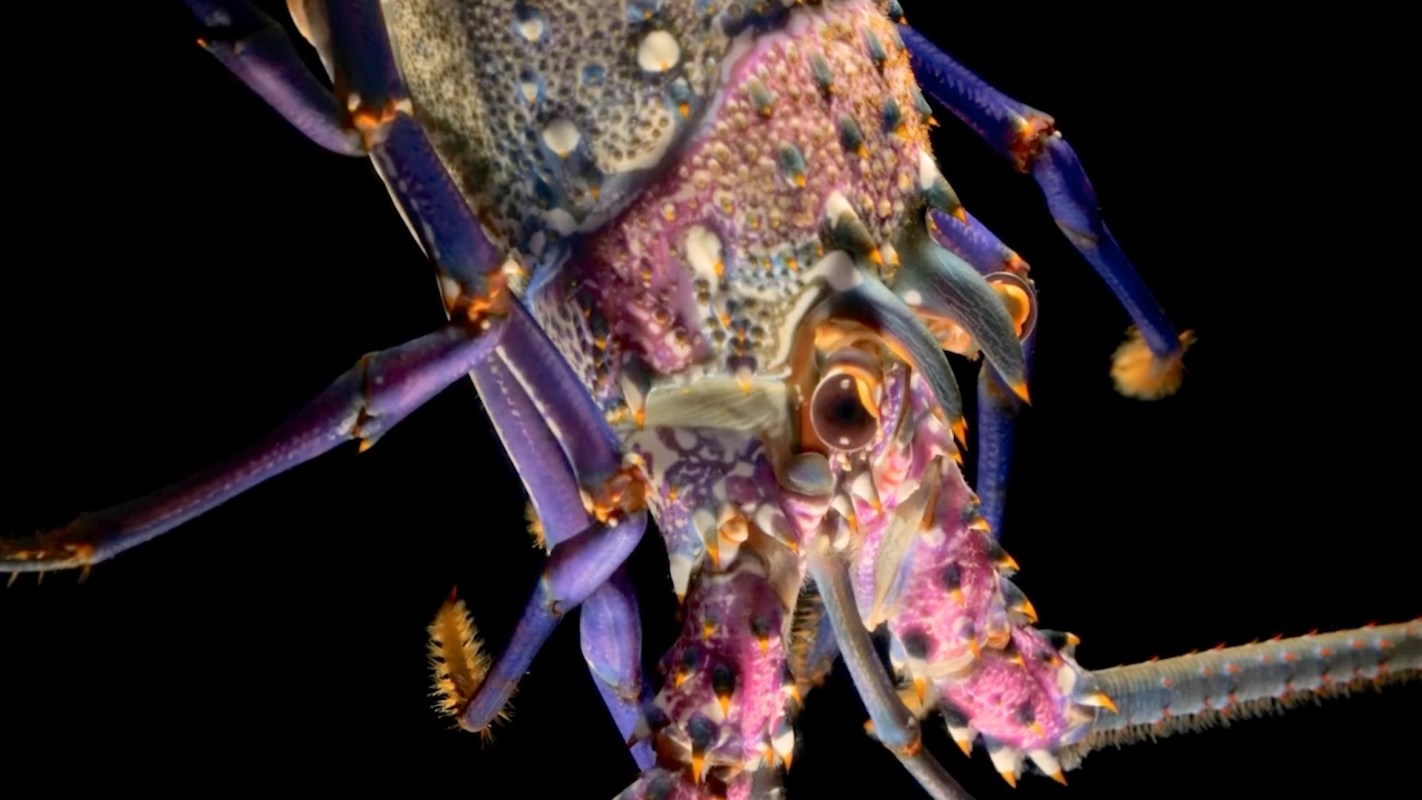
In a striking video filmed at the Maui Ocean Center, National Geographic photographer Joel Sartore spotlighted the Hawaiian spiny lobster, a species once heavily pressured by commercial and recreational fishing.
Now, the animal is benefiting from environmental protections designed to help keep its population stable.
What's happening?
Sartore used a social media post to spotlight the lobster as an example of state conservation measures at work. In his Instagram caption, he wrote that the animal "has historically been the subject of extensive commercial and recreational fishing."
He added that the species "is now protected in Hawaii and regulations are helping to maintain their population."
Among those regulations are a set "no-catch" season and a ban on taking females carrying eggs, measures intended to improve the lobsters' chances of reproducing and replenishing their numbers, per iNaturalist. This no-catch season occurs between May and August of every year.
The post, shared as part of Sartore's Photo Ark project, also shows off the lobster's stunning appearance. One commenter added that they appeared to be "aliens from other galaxies on the Earth." Another commenter wrote, "This is a great video!! Love the pink bits."
TCD Picks » Quince Spotlight
💡These best-sellers from Quince deliver affordable, sustainable luxury for all




Why does it matter?
When a species that has been widely harvested begins to stabilize, it can support biodiversity and the communities that rely on healthy coastal ecosystems.
Lobsters in general play a role in marine food webs, and protecting breeding females can help preserve the balance of reef and nearshore habitats.
The safeguards Sartore highlighted focus on two parts of the Hawaiian spiny lobster's life cycle: a closed season when the animals cannot be caught and a rule forbidding the take of females carrying eggs. Together, those policies protect reproduction and support the species' long-term survival.
This strategic management approach targets times when the species is most vulnerable. Preventing harvest during key breeding periods and safeguarding females that are already carrying eggs can both make a meaningful difference.
TCD Picks » Quince Spotlight
💡These best-sellers from Quince deliver affordable, sustainable luxury for all

Get TCD's free newsletters for easy tips, smart advice, and a chance to earn $5,000 toward home upgrades. To see more stories like this one, change your Google preferences here.