


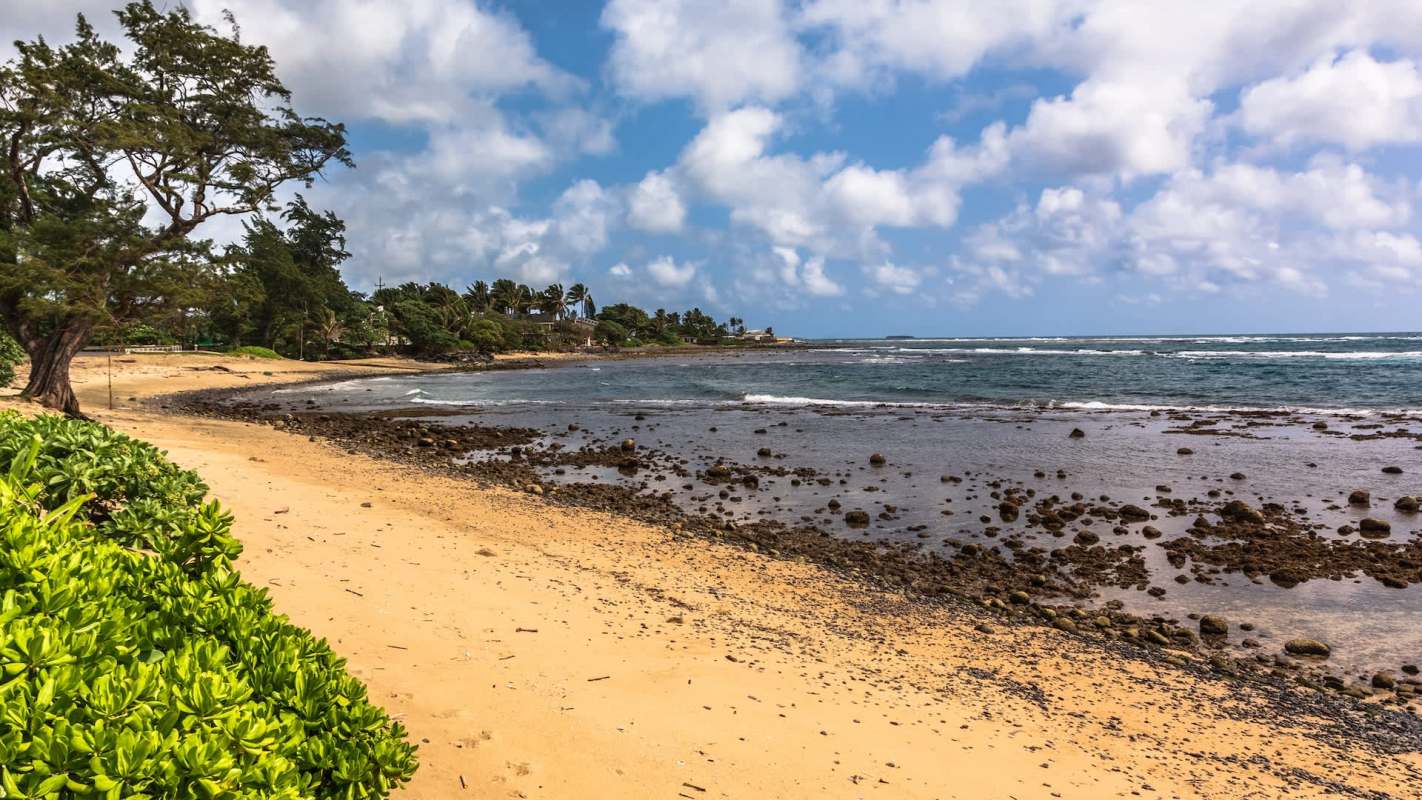
Hawai'i is often imagined as a paradise of pristine, aquamarine waters, but a report has suggested that reputation does not always match reality.
Three beach areas in the state landed on a troubling national list this year: U.S. coastal spots with some of the highest rates of bacteria exceeding recreational health standards.
The findings add to broader warnings that sewage-related pollution is affecting waters many residents and visitors may assume are clean.
Hawaii News Now reported that the latest National Clean Water Report from the Surfrider Foundation found that Oahu's Punaluu Beach Park and Kauai's Moloaa Stream mouth had fecal bacteria readings above recreational health limits in every sample collected in 2025.
The Hakipuu Boat Ramp near Kualoa also ranked among the worst, with unsafe levels in 82% of samples.
Surfrider tracks a fecal indicator bacterium called enterococcus. Hawai'i regional manager Hanna Lilley said high concentrations can signal the presence of other pathogens that may make people sick.
TCD Picks » Quince Spotlight
💡These best-sellers from Quince deliver affordable, sustainable luxury for all




The group's 2025 Hawai'i Water Quality Report painted an even more troubling picture, finding that 24 sampling sites across the state failed to meet recreational health standards more than half the time they were tested.
Lilley told Hawaii News Now that the data shows "a concerning picture of chronic pollution across Hawai'i's coastal waters," despite the state's reputation for crystal-clear beaches.
The repeated appearance of sewage-linked bacteria above health standards raises public health concerns alongside environmental ones.
Elevated enterococcus levels can point to disease-causing microbes, especially near stream mouths and runoff zones, where contamination can collect and spread into popular coastal areas.
The report also pointed to a major source of the problem: cesspools. Hawai'i has about 83,000 of them, and Surfrider estimated that roughly 50 million gallons of untreated sewage seep into groundwater every day before eventually reaching the ocean.
The pollution can also damage reefs and coastal ecosystems that support marine life. Researchers said stronger storms could also make the problem even harder to manage.
Hawai'i has already mandated that all cesspools be removed by 2050, and experts have called for quicker conversions.
"We really need to work on those cesspool conversions," said Dr. Nyssa Silbiger, an associate professor at the Department of Oceanography at the University of Hawai'i at Manoa, per Hawaii News Now.
Silbiger also helped lead a project that gathered nearly 800 coastal water samples after March's kona storms. Early findings suggested polluted freshwater stayed near shore longer than expected, increasing risks for both reefs and beachgoers.
Lilley warned that sea level rise, flooding, and stronger storms may worsen Hawai'i's wastewater challenges in the years ahead.
"The way that I think about this, sadly, is a preview," Silbiger warned. "A preview of what's to come."

Get TCD's free newsletters for easy tips, smart advice, and a chance to earn $5,000 toward home upgrades. To see more stories like this one, change your Google preferences here.







