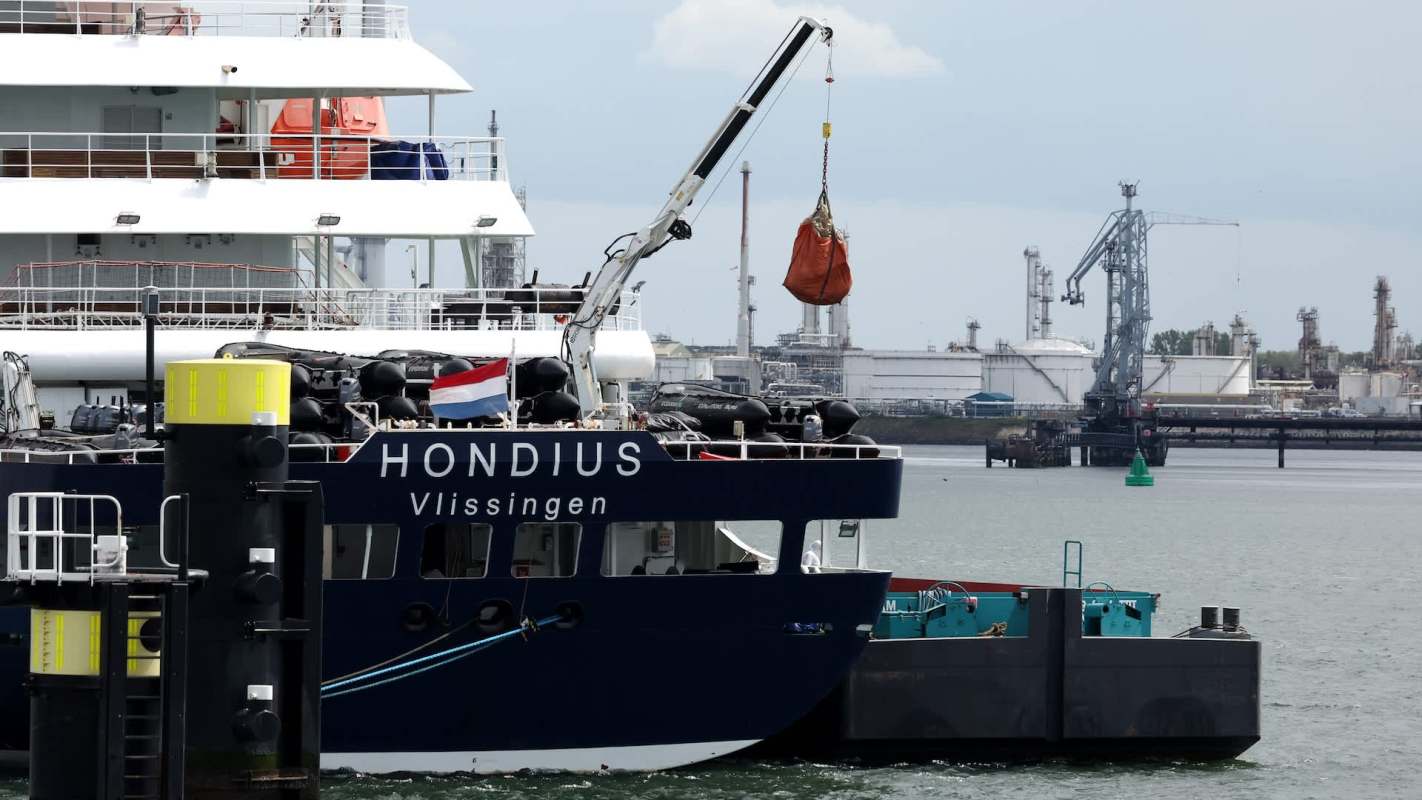
A remote-island bird-watching trip aboard the MV Hondius turned into an international public health scare after a rare hantavirus outbreak sickened passengers and crew.
Travelers were initially told that an early passenger death appeared to be from natural causes and that the ship was safe. Days later, more illnesses, quarantines, evacuations, and additional deaths followed.
What happened?
The New York Times reported that the MV Hondius departed Ushuaia, Argentina, on April 1, carrying about 175 people on a wildlife-focused voyage through the South Atlantic, according to Oceanwide Expeditions and the World Health Organization.
On April 12, Captain Jan Dobrogowski told passengers that one traveler, Dutch birder Leo Schilperoord, had died after receiving care in the ship's sick bay. He said the ship's doctor regarded the man as "not infectious" and told passengers the vessel was safe.
That conclusion did not hold for long.
Schilperoord's widow, Mirjam Schilperoord-Huisman, became ill in the following days and later died in Johannesburg after leaving the ship. Another passenger from Germany also died. The WHO later said that 10 voyage-related cases — eight confirmed and two suspected — involved the Andes species of hantavirus. This rare rodent-borne virus can also spread between humans in certain circumstances, according to The Times.
TCD Picks » Quince Spotlight
💡These best-sellers from Quince deliver affordable, sustainable luxury for all




The WHO later confirmed the virus in two deaths and strongly suspected it in a third.
The outbreak prompted a multinational response. Because the ship was carrying people from at least 23 countries, authorities blocked normal disembarkation at various points along the journey, and medical teams eventually boarded the ship wearing protective gear.
Several sick passengers were medically evacuated, while others were quarantined and monitored as officials traced contacts across multiple countries.
Why is this outbreak concerning?
Hantavirus infections are rare, but they can be serious and sometimes fatal. The Andes strain is particularly concerning because, unlike many other hantaviruses, it has been shown to spread from person to person under certain conditions, typically after close, sustained contact.
Health officials have emphasized that the overall public risk remains low. This is not believed to be a virus that spreads easily in everyday settings. But the Hondius outbreak shows how quickly even an uncommon disease can become a complicated international health issue when people travel in close quarters and then disperse across countries by plane and ship.
It also underscores how quickly outbreak guidance can change. It further raised alarms among experts that the United States may not be as ready for another pandemic as it had hoped to be post-COVID-19.
What's being done about it?
WHO protocols helped trigger testing, medical support, isolation measures, and contact tracing. Countries including Cape Verde, Spain, and the United States were involved in monitoring passengers, evacuating some of the sick, and tracking people who may have been exposed.
More broadly, hantavirus prevention usually centers on reducing exposure to rodents and their droppings, especially in rural settings such as accommodations, storage areas, cabins, and campsites.
Anyone who develops symptoms such as fever, fatigue, or trouble breathing after a possible exposure should seek medical care promptly and mention recent travel or contact history.
The Hondius outbreak is also a reminder of why transparency and coordination matter during a public health emergency. Rare viruses may not pose a broad, everyday threat, but strong surveillance, rapid testing, and clear communication can make a major difference in preventing an isolated outbreak from becoming something far worse.

Get TCD's free newsletters for easy tips, smart advice, and a chance to earn $5,000 toward home upgrades. To see more stories like this one, change your Google preferences here.