


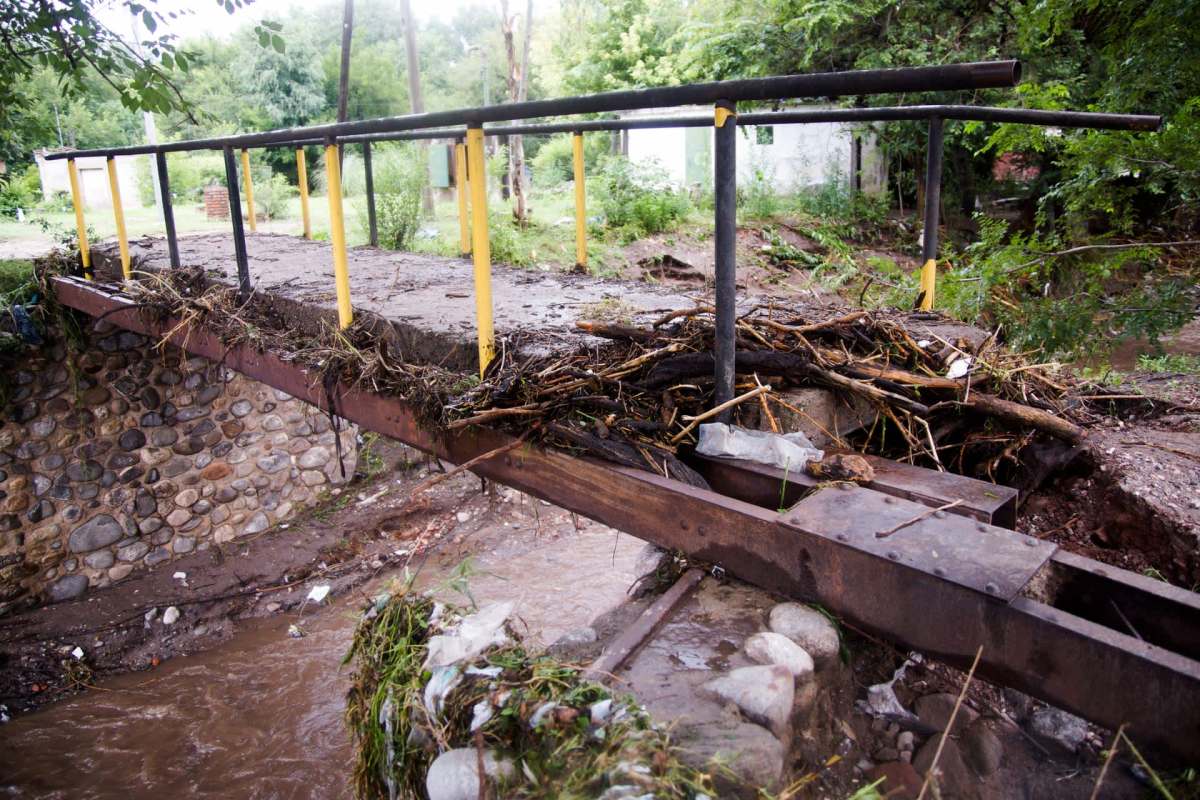
Argentina's hantavirus surge is offering a stark example of how drought, extreme rain, and shifting animal behavior can combine to worsen a public health threat.
Researchers say the country's recent stretch of severe weather has likely pushed more disease-carrying rodents into human spaces and helped their populations grow, contributing to a sharp rise in infections.
What's happening?
Argentina has recorded 101 hantavirus infections since June 2025, roughly twice the count seen over the comparable period a year earlier, Grist reported.
Scientists say the increase follows a clear environmental pattern. According to Grist, Argentina went from a drought lasting from 2021 through 2024 into a spell of unusually heavy rain. That kind of swing can reshape how rats and mice survive, reproduce, and move across the landscape. Long dry stretches can drive rodents toward populated places in search of food and shelter. Afterward, heavy rain can lead trees and shrubs to produce far more seeds, creating a food boom that helps rodent populations grow.
That, in turn, increases the chances of spillover to people. Hantavirus is usually spread through contact with infected rodent droppings, urine, or saliva, including contaminated dust that becomes airborne. In people, it can cause a severe illness that often starts with fever, fatigue, and muscle aches before potentially progressing to serious breathing problems.
From a public health perspective, this kind of surge changes everyday risk. It can mean more warnings about cleaning enclosed spaces carefully, more strain on local health systems to identify infections quickly, and greater focus on rodent control in places where human homes and wildlife increasingly overlap.
TCD Picks » Quince Spotlight
💡These best-sellers from Quince deliver affordable, sustainable luxury for all




Why is Argentina's hantavirus surge important?
The outbreak is alarming because it shows how weather whiplash can shape disease risk in ways that may go unnoticed until people begin getting sick.
Researchers have warned that rising global temperatures are intensifying certain weather extremes, including longer dry spells and heavier downpours. In Argentina, those swings appear to be affecting rodent behavior in two stages: first by pushing animals closer to people during drought, and then by helping their numbers rebound after rain.
That matters far beyond one country. When ecosystems are under stress, diseases carried by animals can become harder to predict. A virus that once seemed tied to a particular season or region can begin appearing more often or under different conditions. For many people, that can translate into greater risk around sheds, storage spaces, farms, cabins, and other areas where rodents may gather out of sight.
It is also a reminder that health threats linked to environmental disruption do not always begin dramatically. They can build gradually through crop stress, habitat shifts, and changing food availability for animals.
What's being done about Argentina's hantavirus surge?
The most immediate response involves stronger monitoring, faster public communication, and more aggressive rodent prevention. Health authorities and local officials can reduce risk by tracking cases closely, warning residents in affected areas, and sharing clear guidance on how to deal with rodent infestations and safely clean contaminated spaces.
At the household level, practical prevention steps can make a difference. People can seal holes in homes, store food securely, clear brush and debris near buildings, avoid sweeping rodent waste while it is dry, and use disinfectant and protective gear when cleaning enclosed areas where rodents may have been present. Anyone who develops flu-like symptoms after possible exposure should seek medical care quickly.
More broadly, reducing the pollution driving more extreme heat and rainfall is also part of the solution. The same forces disrupting ecosystems and altering animal behavior are increasing the likelihood of outbreaks like this one.

Get TCD's free newsletters for easy tips, smart advice, and a chance to earn $5,000 toward home upgrades. To see more stories like this one, change your Google preferences here.







