


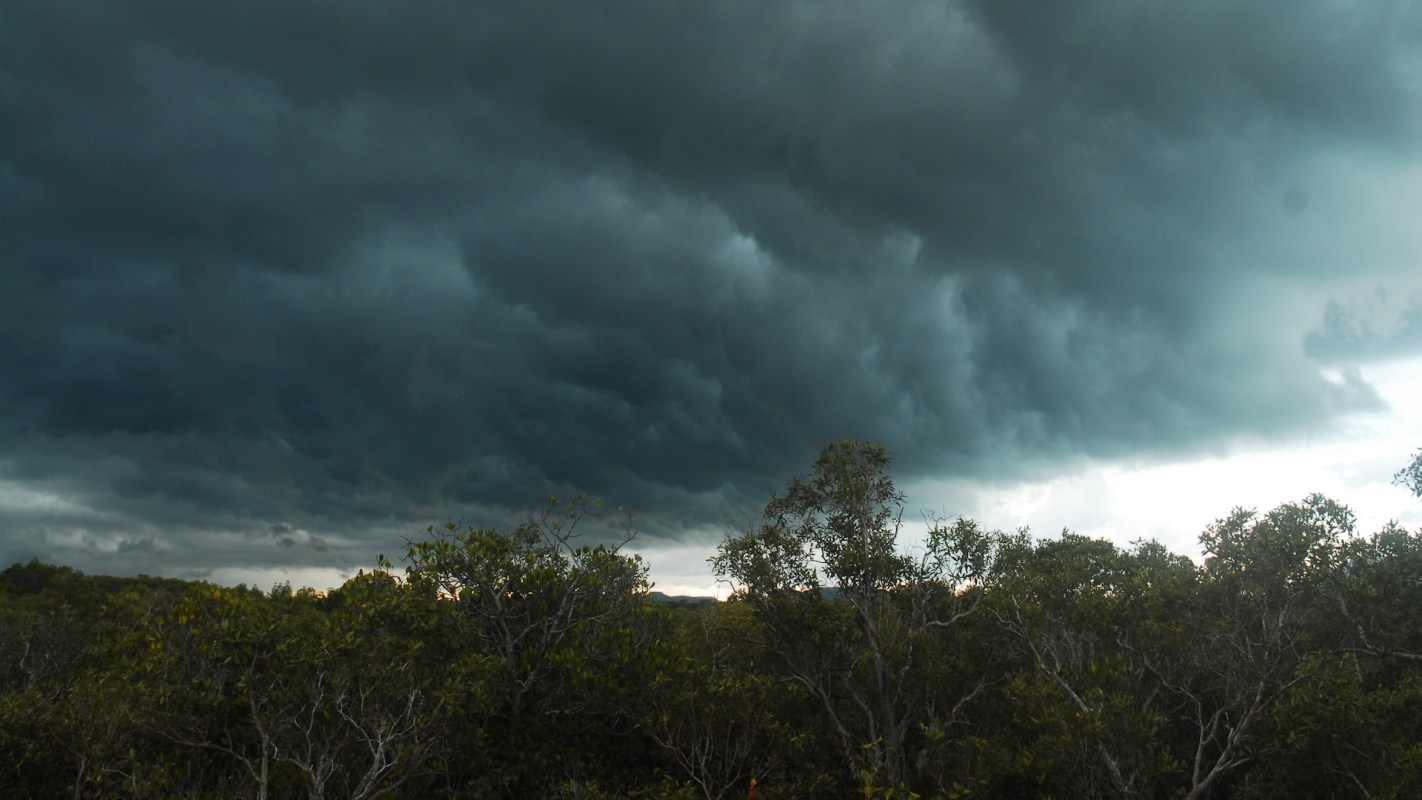
Western Australia's South West and Great Southern regions were thrown into chaos a couple of weeks ago after severe thunderstorms and bursts of hail hit just as farmers prepared to harvest, reported ABC News Australia.
What should have been the start of a busy but hopeful season instead turned into a heartbreaking cleanup for growers, many of whom watched months of work disappear in minutes.
What's happening?
Crops across Boyup Brook, Bridgetown, Chowerup, and Kojonup were battered by marble-sized hail and sudden downpours. Some parts of the South West recorded more than 60 millimeters (2.4 inches) of rain in 48 hours, an "incredible amount of rainfall," according to Bureau of Meteorology meteorologist Jessica Lingard.
For growers like Ben Creek, the damage was immediate and devastating. Trees "snapped off like matchsticks," fences were torn apart, and large sections of crops were left flattened or stripped. "It's heart-wrenching and sickening," he said, per ABC.
Others saw similar scenes.
At Chowerup, Luke Harding reported over 2 inches of rain that pushed his harvest back at least two weeks, while Griffin Chomley estimated that in some of his paddocks, up to 80% of barley and canola were lost to hail.
Even community events took a hit: The Bridgetown Agricultural Show faced flooding, power outages, and lightning that shut down rides.
Why is this concerning?
Farmers expect challenges, but sudden, intense weather swings are becoming harder to predict and harder to bounce back from.
As the planet overheats, storms like these are becoming more frequent and more disruptive. For growers, that means greater financial risk during harvest days and the mental toll of watching a year's income shredded in minutes.
For the rest of us, these impacts ripple outward. When crops are wiped out, supply drops. When supply drops, grocery store prices climb, often very quickly.
TCD Picks » Quince Spotlight
💡These best-sellers from Quince deliver affordable, sustainable luxury for all




|
Do you think kids learn enough about gardening in school? Click your choice to see results and speak your mind. |
 Not even close 🧑🌾
 Extreme weather also stresses the broader food system, slowing progress toward a stable, secure future and making communities more vulnerable to sudden shocks.
What's being done about it?
Farmers are adapting as best they can: improving drainage, diversifying crops, and investing in weather-resilient farming methods. At a broader level, communities and governments are focusing more on climate-prepared infrastructure and early-warning systems to help limit losses.
While no simple step can prevent storms, collective action, supporting sustainable farming, advocating for strong climate policy, and building resilient local food networks can help safeguard both growers and the people who depend on them.

Get TCD's free newsletters for easy tips to save more, waste less, and make smarter choices — and earn up to $5,000 toward clean upgrades in TCD's exclusive Rewards Club.
Cool Picks




