


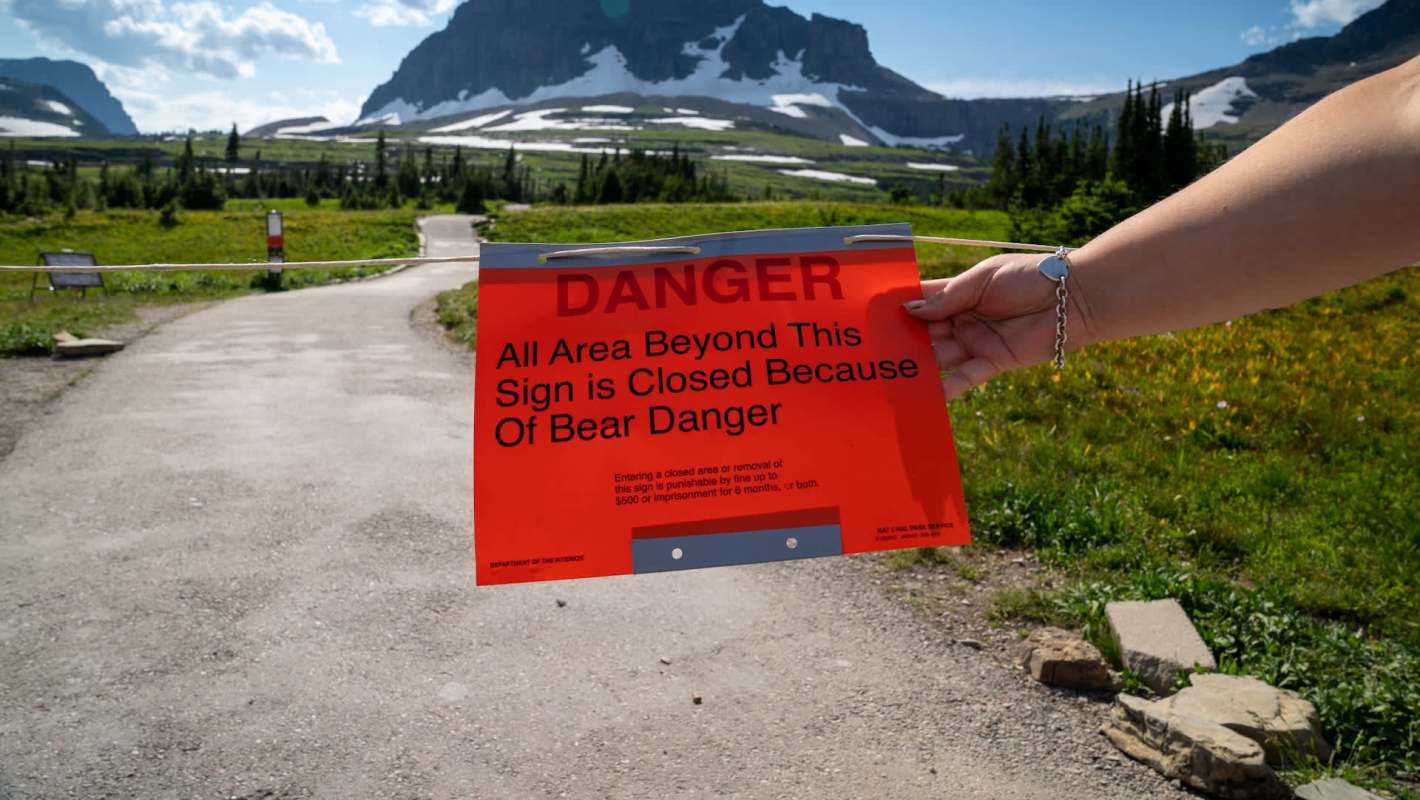
Glacier National Park officials say the grizzly bear involved in a deadly encounter this spring will be allowed to stay, after a review found the animal was acting defensively when a hiker unexpectedly came upon it.
What happened?
Florida hiker Anthony Pollio, 33, died on May 3 after a grizzly encounter on the Mount Brown Lookout trail in Glacier National Park. Nearly three months later, park officials have said the bear won't be removed.
According to SFGATE, the Interagency Grizzly Bear Committee's review concluded that Pollio was likely alone on the trail at about 9:30 p.m., moving downhill in the dark through a steep stretch crowded with standing and downed trees.
Pollio had planned to watch the sunset from the lookout, investigators said. The review also found that he used his entire can of bear spray, though it isn't known whether any of it reached the bear before the attack.
Evidence collected at the scene, including DNA, was linked to a male grizzly believed to be at least 15 years old. Officials described the bear as a longtime park resident with no prior record of conflict, aggression, or capture.
Park spokesperson Autumn Sifuentes said, "Following a comprehensive review of the incident, no management action has been taken or is planned for the bear involved."
TCD Picks » Quince Spotlight
💡These best-sellers from Quince deliver affordable, sustainable luxury for all




What can make attacks likely?
Not every fatal wildlife encounter ends with the animal being removed.
In this case, investigators turned up nothing pointing to predation or food caching. That reinforced their conclusion that the bear was reacting after being surprised rather than hunting.
The circumstances also point to how human choices can shape these encounters. A BBC report on human-wildlife conflict notes that surprise is one of the most common triggers for animal attacks worldwide, and Pollio's case follows that same pattern. Moving alone after sunset on a trail with limited visibility can make it easier to startle a bear, a situation that may prompt a defensive reaction from a large carnivore.
Glacier has seen a string of close encounters in recent months. A separate incident weeks later left another hiker with a broken arm after a grizzly charged from a snowfield on the Grinnell Glacier Trail.
What's being done?
Rather than relocate or kill the animal, the park said it will continue monitoring bear activity in the area through its standard wildlife management program, SFGATE reported.
The review also produced guidance meant to help prevent similar incidents. Hikers can make noise, whether by talking, clapping, or singing, especially in places where terrain or vegetation limits sight and sound.
Traveling in a group also helps, since groups tend to be louder and less likely to catch bears off guard. Also, avoid hiking at night, dawn, and dusk, when bears are often most active.
Other advice included carrying bear spray somewhere easy to reach, knowing how to use it, opting for daylight hikes when possible, and moving carefully through dense or obstructed bear habitat rather than quietly slipping through it unnoticed.
"The attack was likely brief and intense and not prolonged," the report said. Sifuentes added that "the park will continue to monitor bear activity in the area as part of its ongoing wildlife management program."

Get TCD's free newsletters for easy tips, smart advice, and a chance to earn $5,000 toward home upgrades. To see more stories like this one, change your Google preferences here.







