


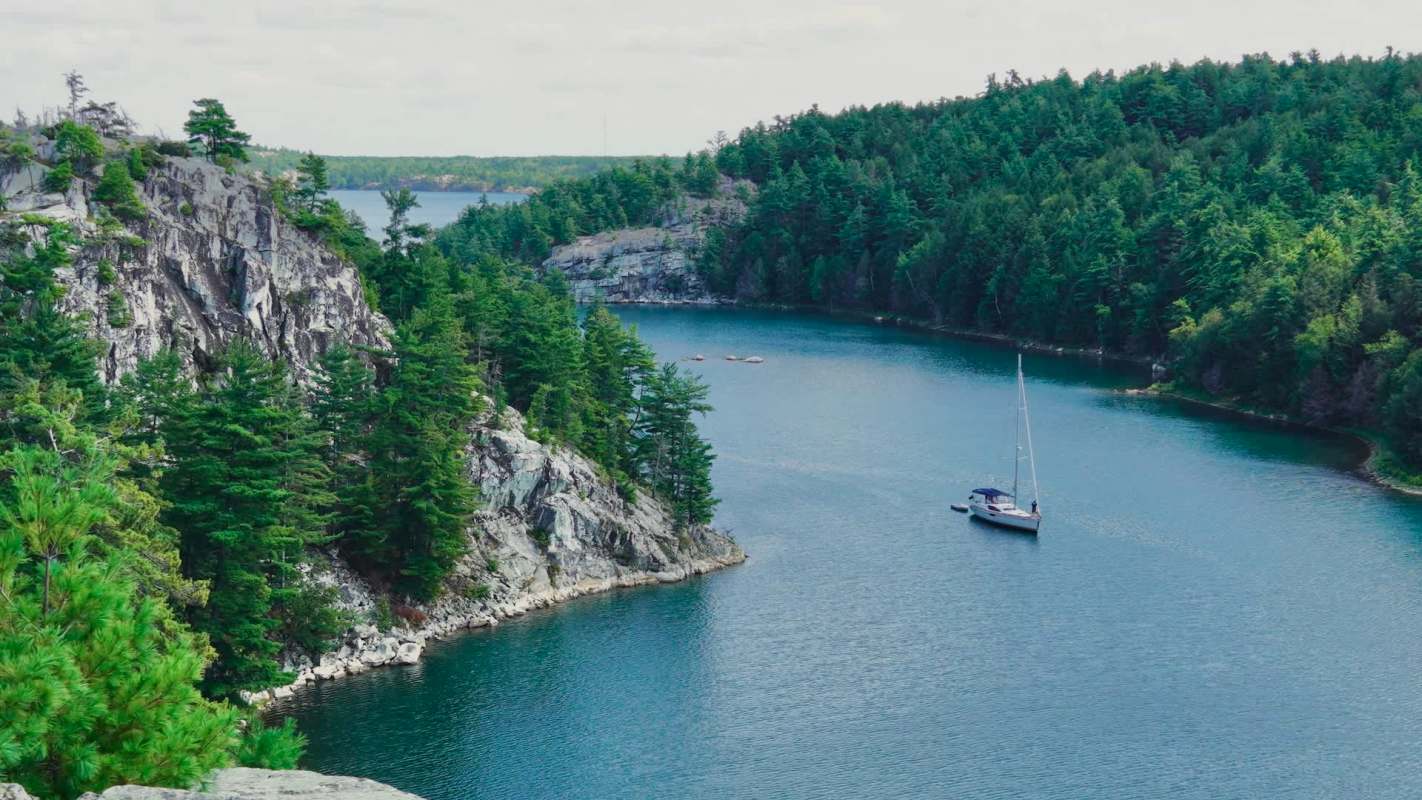
Fishers in the Great Lakes are experiencing a steep drop in yields, according to The Newberry News.
What's happening?
Whitefish populations in Lake Huron and Lake Michigan have been steadily declining because of an invasion of European mussels.
These mussels have been able to devour nutrients, leaving little for other species. Worse still, eliminating plankton has made the water clear enough that sunlight is killing young whitefish farther below the surface.
"There's no regulatory fix for what the problem is," said Steve Lenart, a fish biologist with the Michigan Department of Natural Resources, per The Newberry News.
Why are whitefish important?
Invasive species are a massive challenge. Human transportation, like boats, routinely moves species from their native habitats into new ones. When freed from the checks and balances that they evolved with, plants and animals can establish a monopoly on vital resources in their new habitat. This leads to the displacement of native species, reduced biodiversity, and a loss of important ecosystem services.
This scenario is being played out with whitefish in the Great Lakes, and the economic fallout is clear. Some have estimated that invasive species cause hundreds of billions of dollars worth of economic costs annually. Others have suggested that over the course of 50 years, invasive species have incurred more than $1 trillion in damages.
TCD Picks » Quince Spotlight
💡These best-sellers from Quince deliver affordable, sustainable luxury for all




What's being done about whitefish?
"We can't just do what we've been doing for the last 100 years and expect things to change," said Michael Monfils, director of the Michigan Natural Features Inventory, per The Newberry News.
Specially designed pesticides helped rid the Great Lakes of lampreys, but it will take time to develop a similar solution for European mussels.
Lake Superior remains relatively untouched by invasive mussels thanks to lower water temperatures and less calcium content. However, whitefish don't especially thrive there, and mussels may yet establish themselves in Lake Superior.
As an additional safeguard, biologists are moving whitefish to other inland lakes so there are pockets where the population is protected from mussels. It also offers a backup in case whitefish stocks in the Great Lakes collapse.
"We need to make sure that, 20 years from now, if the lake is ready again, we can return the descendants of fish that came from here," said Jason Smith, a scientist with the Bay Mills Indian Community, per The Newberry News.
|
Do you think sewage pollution is a major problem in America? Click your choice to see results and speak your mind. |
 Yes 👍
Yes 👍 
💰Get TCD's free newsletters for easy tips to save more, waste less, and make smarter choices — and earn up to $5,000 toward clean upgrades in TCD's exclusive Rewards Club.







