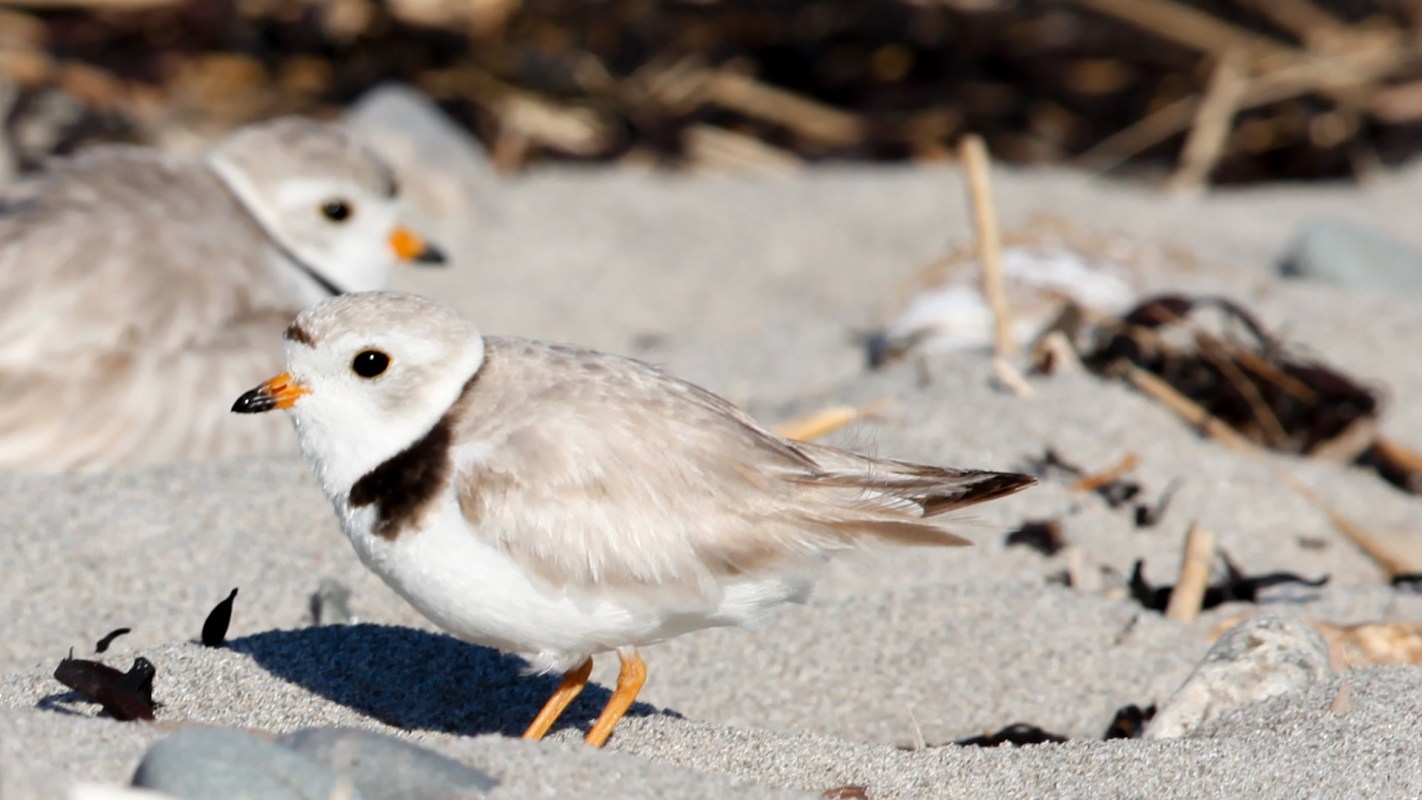
Endangered Great Lakes piping plovers have returned to Green Bay, Wisconsin, to nest for the 10th straight year, a milestone that highlights how habitat restoration has helped bring the rare shorebirds back.
Green Bay has now hosted endangered Great Lakes piping plovers for 10 straight nesting seasons in Wisconsin, an achievement that underscores what sustained habitat restoration can do for wildlife and the communities committed to protecting it.
What happened?
The Audubon Society announced the return in a recent Instagram post.
The update also revisited how this run began: a decade ago, a Great Lakes piping plover nest was found on Cat Island by Audubon Great Lakes Wisconsin conservation manager Tom Prestby.
That success was Green Bay's first confirmed nesting in over 75 years.
For a bird population classified as endangered in the Great Lakes region, 10 consecutive nesting years suggest the area is still providing the shoreline habitat these birds need to breed and raise chicks.
TCD Picks » Good Store Spotlight
Get 10% off your next purchase with code TCD10




The post connected the return to restoration efforts on Cat Island. Audubon Great Lakes and its partners help track and identify birds by safely banding chicks that have recently hatched.
"Great news! Endangered Great Lakes Piping Plovers have returned to Green Bay, Wisconsin to nest for the 10th year in a row!" Audubon Society wrote. Ten years ago, Prestby's discovery "marked the first successful nesting on Green Bay in more than 75 years, and validated years of habitat restoration."
Why does it matter?
When an endangered species keeps returning to the same place year after year, it can be a sign that a damaged ecosystem is becoming usable again and that conservation investments are producing real results.
Healthier coastal and wetland habitats can support broader biodiversity, improve local natural spaces, and strengthen nearby communities' efforts to protect shorelines.
TCD Picks » Quince Spotlight
💡These best-sellers from Quince deliver affordable, sustainable luxury for all




Wildlife recoveries can also become rallying points for volunteers, educators, birders, and residents.
In Green Bay, restoration has helped support healthier landscapes for communities while giving endangered animals a chance to rebound. Efforts to protect endangered species have also proven fruitful in other areas, such as in Texas, where officials recorded a record-breaking high of about 600 endangered Kemp's ridley sea turtle nests.
What's being done?
The organization credited the milestone to long-running restoration efforts on Cat Island, saying that improved conditions have helped preserve a nesting site that the plovers continue to return to.
With the efforts of volunteers, conservation professionals, and community partners, the Piping Plover population has increased to 90 breeding pairs, according to the Audubon Society. This marks a major milestone as it is the highest recorded since the species received protection under the Endangered Species Act.
Protecting that progress usually means continued monitoring during nesting season, minimizing disturbance near breeding areas, and making sure shorebird habitat remains intact. For fragile species, even small disruptions can matter.

Get TCD's free newsletters for easy tips, smart advice, and a chance to earn $5,000 toward home upgrades. To see more stories like this one, change your Google preferences here.