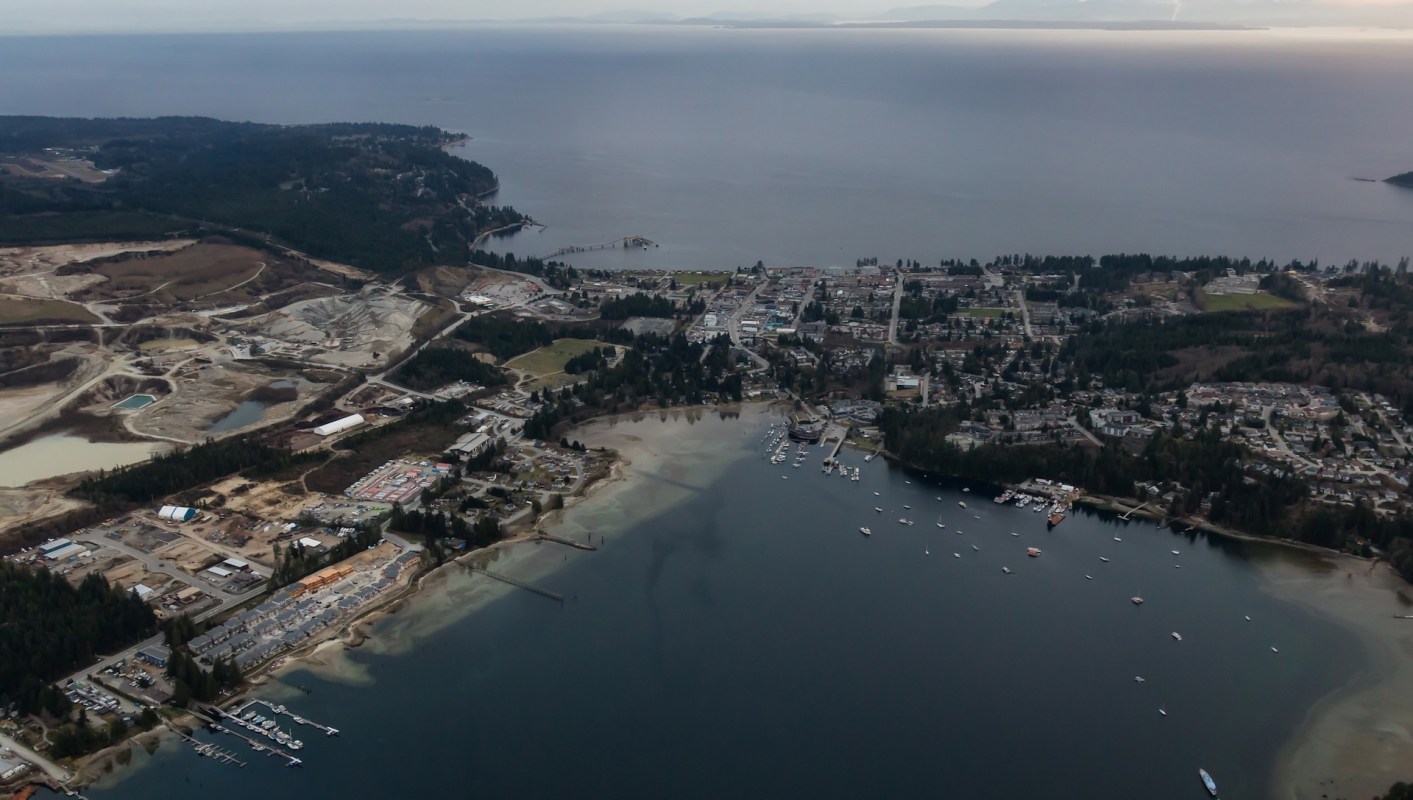
A well-known gray whale, Little Patch, returned to feed in British Columbia's Sunshine Coast despite its normal migration patterns, reported CBC News.
What's happening?
Gray whales like Little Patch that reside in coastal waters are widely beloved by those who live near them. Naturally, it was Sunshine Coast residents who first spotted Little Patch at the end of November.
While the visit was a welcome surprise, researchers were a bit shocked. Erin Gless, executive director of the Pacific Whale Watch Association, told CBC News that Little Patch has been feeding in the Salish Sea since 1991.
However, gray whales don't usually return to British Columbia waters in the wintertime. They usually summer in the Arctic, before traveling down to Mexico's warmer waters in the winter.
Gless told CBC News that Little Patch's odd behavior could be due to food shortages. "Instead of making that really long journey all the way down to Mexico to breed, instead [Little Patch] is choosing to spend the winters in these feeding grounds where he knows there's food available for him," Gless said. "It's kind of sad; it's bittersweet."
Why does Little Patch's premature visit matter?
According to the U.S. National Oceanic and Atmospheric Administration, gray whales typically breed in Mexican waters. Calves are usually born on this migration route. Little Patch staying north makes it less likely for him to mate and reproduce. If more gray whales go down Little Patch's path, it could spell a population decline for the species.
Unfortunately, pollution and shifting climate patterns have made this change more likely. In general, human-made pollution has lessened food supplies, significantly altering marine migration routes.
For example, the NOAA reported that increasingly unpredictable ice patterns cause beluga whales to dive for food more frequently, leading to higher stress and less reproduction.
This combination of high stress and dwindling food sources makes it more difficult for endangered species to recover. In fact, over a fifth of migratory species are facing extinction, with changing ocean temperatures to blame.
What's being done about it?
CBC News reported that officials are asking boaters to be on the lookout for gray whales to avoid accidents. Canadian law also prohibits the hunting or disturbance of whales and cetaceans, except for subsistence use.
TCD Picks » Upway Spotlight
💡Upway makes it easy to find discounts of up to 60% on premium e-bike brands





|
Do you think America does a good job of protecting its natural beauty? Click your choice to see results and speak your mind. |
 Definitely 👍
 However, noise and chemical pollution remain a threat to British Columbia's ocean ecosystem, according to Environment and Climate Change Canada. Such pollution is a major contributor to overall species decline.
If you'd like to help on an individual level, consider donating to conservation organizations.

Get TCD's free newsletters for easy tips to save more, waste less, and make smarter choices — and earn up to $5,000 toward clean upgrades in TCD's exclusive Rewards Club.
Cool Picks