


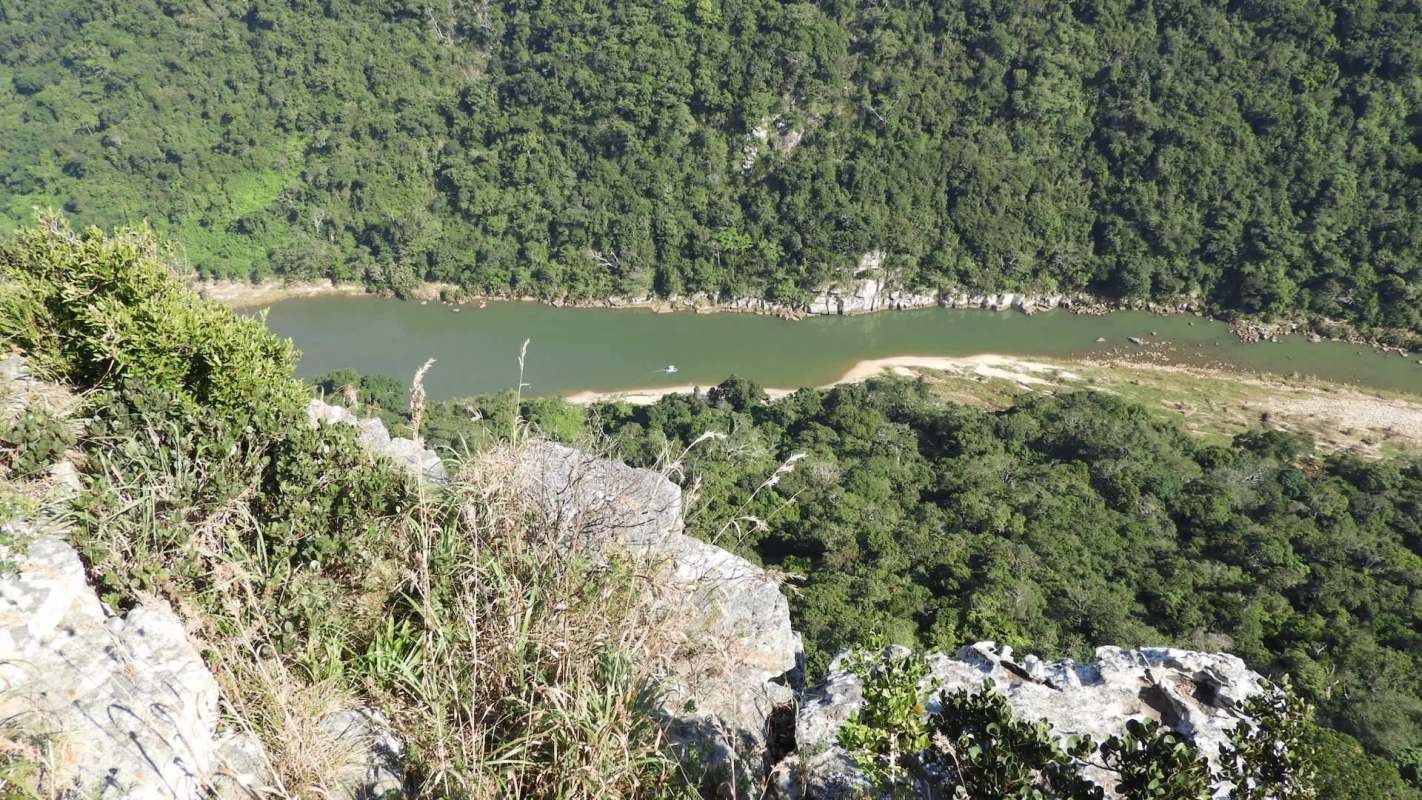
South African scientists rediscovered the granulate bladder grasshopper at the Umtamvuna Nature Reserve along the KwaZulu-Natal South Coast.
According to The Witness, the heavily endangered species hasn't officially been spotted and recorded since 1980. It has only ever been found before at three other locations in the eastern part of the country.
The sighting at Umtamvuna in December not only marks a win for the species — whose extinction status has remained uncertain for more than 40 years — but also a testament to the Reserve's conservation efforts.
Umtamvuna has reported several other conservation successes, including a large-scale project for the Pondoland-Ugu Sandstone Coastal Sourveld grassland. Umtamvuna places a unique emphasis on protecting and restoring plants and invertebrates, the latter of which are "often overlooked" despite their critical environmental impact, as The Witness observed.
"This discovery highlights how even relatively small protected areas play a vital role in conserving South Africa's biodiversity, including species that are rarely seen and poorly understood," Dr. Adrian Armstrong of Ezemvelo KZN Wildlife told the publication.
The Green Bay Botanical Garden noted that grasshoppers of all species help fertilize soil, aid in nutrient cycling, and serve as a food source for local birds and other species, making them overall instrumental within their respective ecosystems.
As a result, restoration, even at a small scale, can make a substantial impact for local wildlife, so it's essential that nature reserves and other conservation campaigns have the support they need.
"Findings like this reaffirm the importance of ongoing research, monitoring and effective management of our protected areas," Armstrong added.
|
What's the most you'd pay per month to put solar panels on your roof if there was no down payment?
Click your choice to see results and speak your mind. |
 $200 or more 💰
Get TCD's free newsletters for easy tips to save more, waste less, and make smarter choices — and earn up to $5,000 toward clean upgrades in TCD's exclusive Rewards Club.
Cool Picks






