


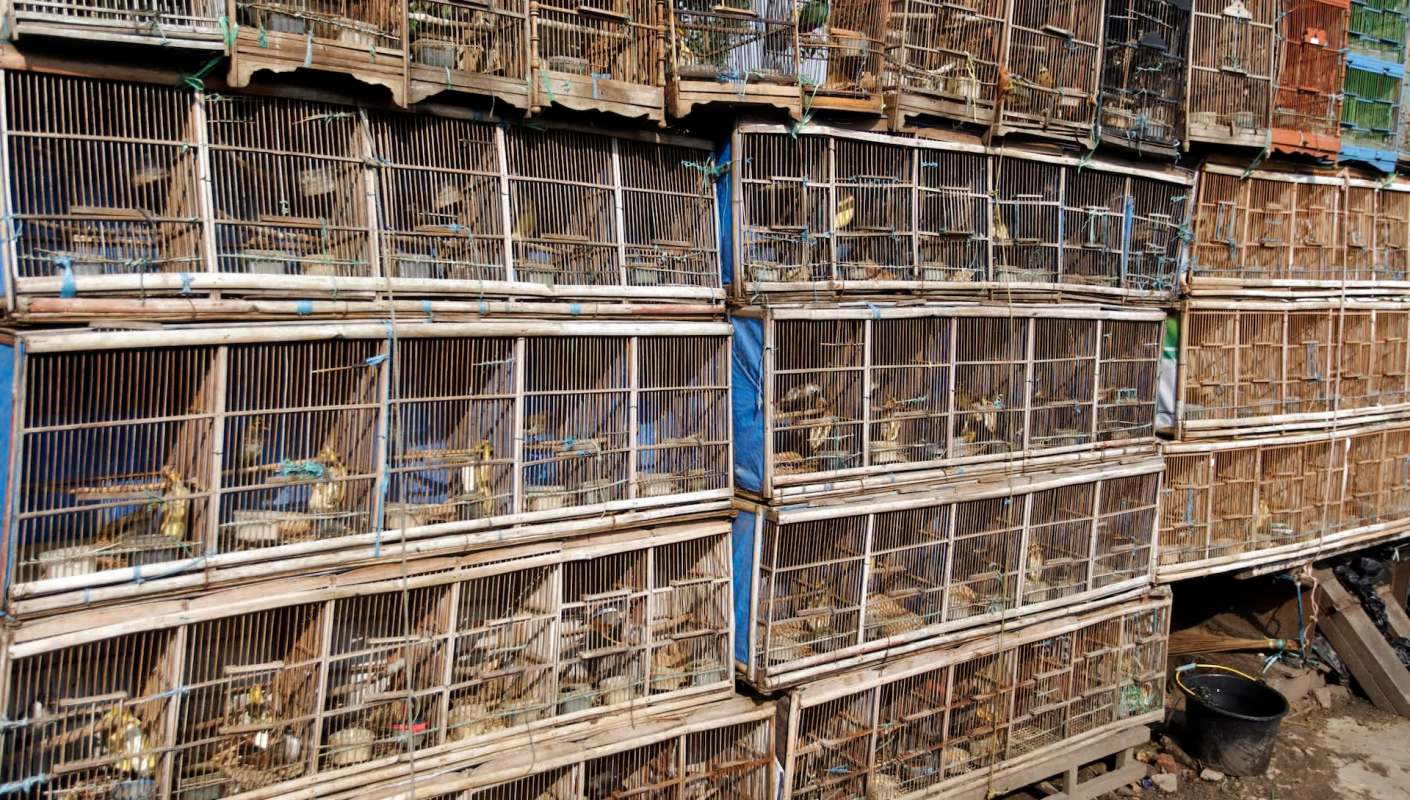
New research exposes the staggering scale of the global wildlife trade entering the U.S., painting a disturbing picture of a system operating in the dark.
A study published in Current Biology mapped two decades of data and found that the volume of wildlife being shipped across borders is far greater — and less regulated — than previously thought.
What's happening?
Here is the reality. When we think of "wildlife trade," we usually picture black-market smugglers. But the legal trade is actually 10 times larger, worth an estimated $360 billion annually. According to the study, we are shipping nature off wholesale, often with zero oversight on whether these species can survive the harvest.
"With no way to say what animals are in trade and if this trade is sustainable, we are potentially driving many species towards extinction in plain sight," said professor Alice Hughes, who led the study.
Think of the current system like a massive library where people are checking out books, but no one is keeping track of the inventory. Eventually, the shelves are going to be empty.
Why is this concerning?
This isn't just about losing exotic animals in faraway lands. It is a direct threat to the stability of our own environment.
Removing species from their habitats is like pulling threads out of a sweater. You might not notice the damage at first, but eventually, the whole thing unravels.
And if you think that's bad, this trade also acts as a superhighway for invasive species and diseases. Importing animals often means importing their pests and pathogens, which can jump to native wildlife and decimate populations that have no natural defenses. For example, the international trade of Xenopus frogs likely spread a deadly fungal disease that has already contributed to the extinction of multiple species.
These smuggling rings are also often connected to organized crime networks involved in activities such as human trafficking and drugs.
What's being done about it?
It's not looking so good. But the good news is that technology is finally catching up to help tackle the problem. Researchers are now using AI to identify wildlife trafficking hubs at airports, spotting patterns that human investigators might miss.
TCD Picks » Quince Spotlight
💡These best-sellers from Quince deliver affordable, sustainable luxury for all




|
Should companies be required to help recycle their own products?
Click your choice to see results and speak your mind. |
 Definitely 👍
 In South Africa, scientists are taking a more radical approach by injecting nontoxic radioactive isotopes into rhino horns. It acts like a dye pack in a bank robbery, making the horns detectable by scanners and useless for human consumption.
But this battle has to be fought on many fronts, which is why lawmakers are also closing loopholes. Pennsylvania recently passed a bill banning the sale of parts from endangered species such as mammoths and leopards, shutting down local demand.
By tightening these nets, using new technology, and prioritizing native ecosystems, we can protect our natural resources and drive progress toward a cleaner, safer future.

Get TCD's free newsletters for easy tips to save more, waste less, and make smarter choices — and earn up to $5,000 toward clean upgrades in TCD's exclusive Rewards Club.
Cool Picks






