


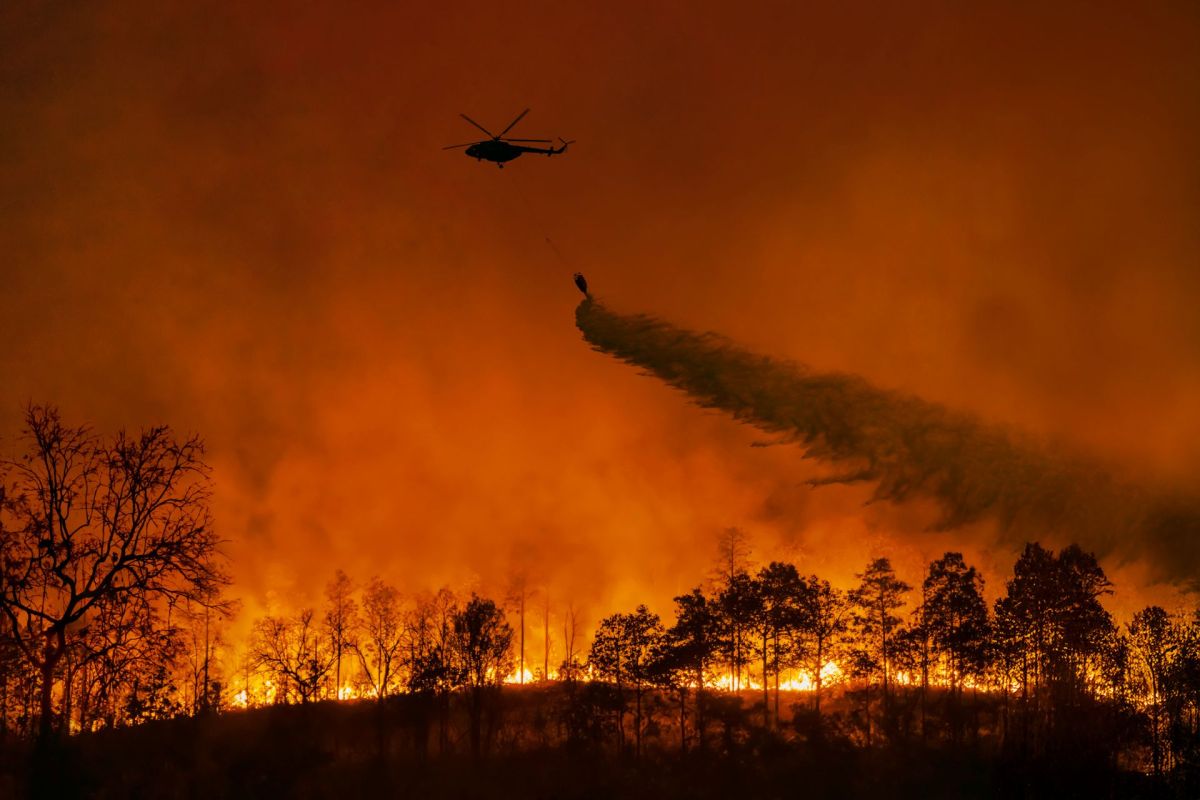
Global fires have already scorched millions of acres of land in the first four months of 2026, a striking sign that rising global temperatures and shifting weather patterns are creating conditions for even more destructive extremes ahead.
What's happening?
From January through April, fires across Africa, Asia, and other parts of the world consumed over 150 million hectares — roughly 370.66 million acres — according to Reuters, which cited data compiled by World Weather Attribution.
That figure is around 20% higher than the previous record for the same stretch of the year.
Scientists are especially concerned because the hottest months in the Northern Hemisphere have not even arrived yet. Meanwhile, experts expect El Niño conditions to develop this month, fueling fears that heat records could be broken and that many regions could face worsening drought and fire danger.
Imperial College's Friederike Otto said the combination of long-term planetary heating and El Niño could bring "unprecedented weather extremes."
Why are these fires concerning?
Wildfires on this scale are not just an environmental issue — they pose a direct threat to human health, safety, and economic stability.
TCD Picks » Quince Spotlight
💡These best-sellers from Quince deliver affordable, sustainable luxury for all




When fires spread, they can destroy homes, farms, and businesses in a matter of hours. Smoke pollution can travel hundreds or even thousands of miles, worsening asthma, heart disease, and other respiratory illnesses.
Drought linked to hotter weather can also strain drinking water supplies, cut crop yields, and push food prices higher, leaving communities with fewer resources as disaster risks grow.
These worsening extreme weather disasters put both lives and livelihoods at risk. Families can be forced to evacuate with little warning, and workers can lose income when farms, forests, and tourism areas are damaged.
Local governments can also be left with massive costs tied to firefighting, health care, and rebuilding infrastructure, taking money away from other community needs. In that sense, extreme weather is not only a public safety issue but also a major economic one.
There is also a dangerous feedback loop. Large fires release huge amounts of planet-heating gases into the atmosphere while destroying forests and other landscapes that would otherwise store carbon. That can make future heat, drought, and fire conditions even more severe.
Scientists have repeatedly warned that hotter average temperatures are loading the dice for more intense heat waves, drier vegetation, and longer fire seasons. El Niño can temporarily amplify those risks in many parts of the world, which is why experts are so worried about the months ahead.
What's being done about global fires?
Researchers and emergency agencies are improving fire tracking, early warning systems, and drought forecasting to help communities prepare earlier. Better forest and land management — including controlled burns, restoration of fire-adapted ecosystems, and support for Indigenous stewardship practices — can also reduce the intensity of some fires.
On a larger scale, limiting the pollution that is overheating the planet is critical to reducing the long-term risk of catastrophic fire seasons. That means expanding cleaner energy sources, improving energy efficiency, and investing in more resilient infrastructure and water systems.
For individuals, actions like using less non-renewable energy where possible, supporting policies that strengthen disaster preparedness and clean power, and making homes and communities more resilient to heat and wildfire smoke can all help.
Even learning more about the issue is a useful step, especially as scientists warn that 2026 could bring even more dangerous conditions.

Get TCD's free newsletters for easy tips, smart advice, and a chance to earn $5,000 toward home upgrades. To see more stories like this one, change your Google preferences here.







