


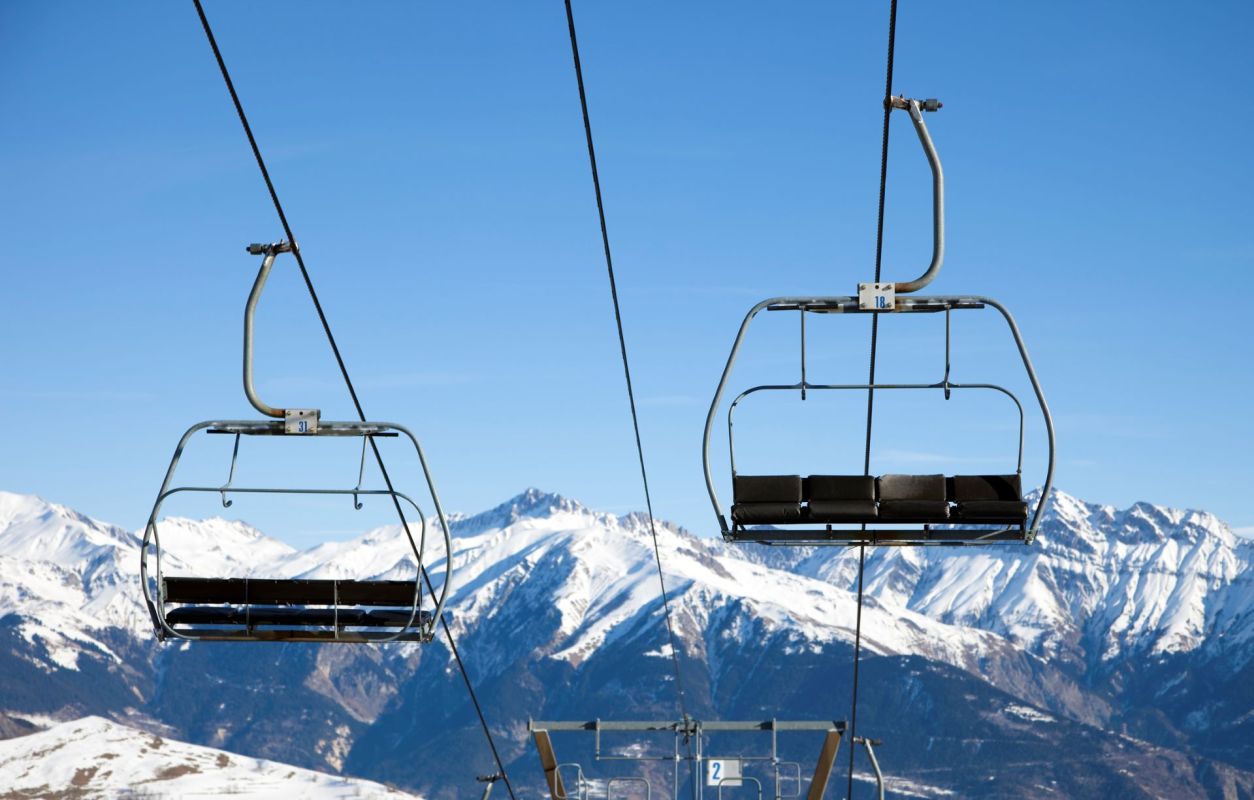
Glaciers across Europe are reeling from the effects of yet another record-breaking heatwave sweeping across the continent.
What's happening?
As an article by Planet Ski reports, the freezing level in some parts of the Alps has risen to above 4,000 meters (over 13,000 feet), significantly higher than its normal freezing point of around 3,000 meters (over 9,800 feet). The planet-heating pollution caused by human activity are resulting in Europe's glaciers melting at the fastest rate in the world. Warmer global temperatures are making extreme weather events like heatwaves more frequent and devastating.
This is having profound effects on the area's economy, as ski resorts have no snow cover, and is threatening the very existence of the mountainside villages.
Why are melting glaciers such a concern?
The heatwaves are putting yet more pressure on an already threatened biosphere. Research suggests ice loss in the Alps may top 34% by the mid-century. Globally, NASA projects that even in the best-case scenario, half of the glaciers will likely be lost by 2100.
The Swiss village of Blatten, which stood for 800 years, offers a stark warning of the consequences of glacier melt. In just one terrible day, the town was wiped off the face of the Earth by a landslide caused by the loss of permafrost around the Birch glacier. Another village, Brienz, was evacuated due to the risk of another landslide.
Another phenomenon caused by glacier melt is flash flooding that occurs when glacial lakes overflow. EOS estimates that around 2 million people in the Himalayas are at risk of glacial lake outburst flood. Permafrost loss is also releasing harmful gases that had been trapped under the ice for centuries.
What's being done to stop glacier loss?
In some locales, the melt is being slowed with the use of geotextiles, essentially covering the stricken area with organic fabrics. While this has worked to some extent, research indicates that it is not a practical solution at scale due to the difficulty and expense of deploying them.
More realistically, the issue requires more long-term planning, and that begins with raising awareness of the problems. It's also essential for officials to upgrade existing infrastructure to forewarn residents while backing initiatives to accelerate the adoption of clean energy.
|
Do you think your city has good air quality? Click your choice to see results and speak your mind. |
 Definitely 🥰
Join our free newsletter for good news and useful tips, and don't miss this cool list of easy ways to help yourself while helping the planet.
Cool Picks




