


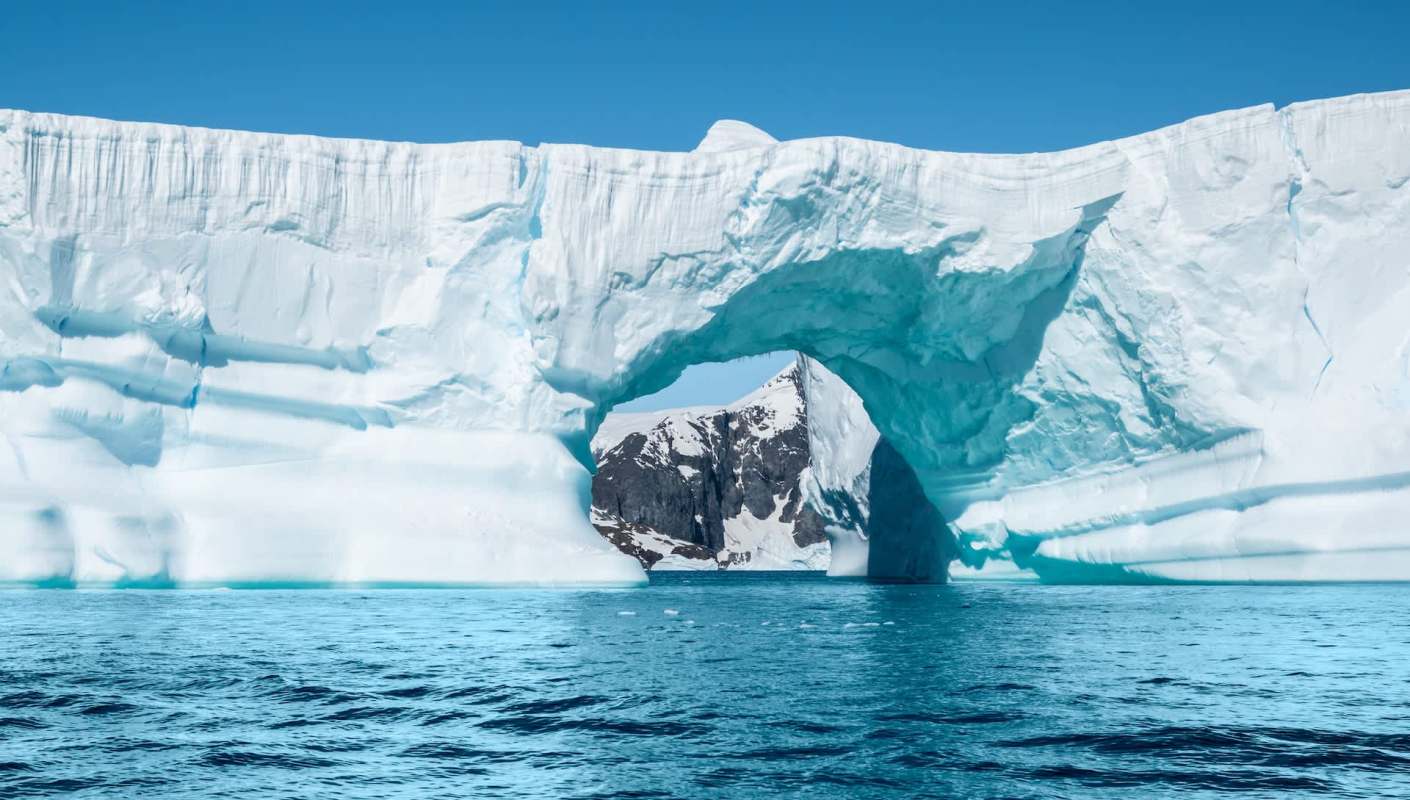
Scientists are preserving glacier ice cores by establishing a permanent ice archive in Antarctica.
This first-of-its-kind project aims to safeguard ancient ice cores and protect irreplaceable climate data before it disappears forever.
What's happening?
As France 24 reported, an international team of scientists established the world's first glacier ice-core sanctuary near Concordia Station on the Antarctic Plateau. It is a snow cave carved deep into the ice, where temperatures remain around -61 degrees Fahrenheit.
Initially, the team secured ice cores that were drilled from rapidly melting Alpine glaciers in France and Switzerland. They transported the samples thousands of miles by aircraft and ship before sealing them into the Antarctic vault.
"We are in a race against time to rescue this heritage before it will vanish forever," said Carlo Barbante, a climate scientist who worked on the project.
"To safeguard what would be otherwise irreversibly lost ... is an endeavour for humanity," said Thomas Stocker, another climate scientist involved.
They plan to continue stocking the archive with glacial ice from other regions, including the Andes and the Himalayas, in the coming decades.
Why is preserving ice cores important?
Researchers consider ice cores to be like frozen history books that contain records of past temperatures, pollution, dust, atmospheric gases, and other environmental conditions. Without these well-preserved records, all evidence of these melting glaciers could vanish in mere decades.
Once glaciers melt, the information they contain is permanently lost. These data help us understand Earth's changing climate over hundreds and thousands of years.
Preserving ice cores enables researchers to study atmospheric conditions that existed before modern instruments were available to measure them. This information can improve climate models by fine-tuning future predictions and enabling policymakers to make informed decisions about climate-related risk mitigation and adaptation.
TCD Picks » Quince Spotlight
💡These best-sellers from Quince deliver affordable, sustainable luxury for all




|
Should we be pouring money into nuclear fusion technology? Click your choice to see results and speak your mind. |
 Yes — it'll pay off 👍
 What's being done about accelerating glacier melt?
The Ice Memory Foundation led this ice-core preservation initiative and ensured that the sanctuary is located in neutral territory to avoid political interference. Their continued work on the ice-core vault will inform future generations about the dwindling glaciers that may not last much longer.
Meanwhile, many other scientists are conducting complementary work by monitoring melting glaciers and studying the impacts on a global scale.
You can do your part to raise awareness about the critical climate issue of glacier melt by sharing news of research projects and studies like this with people you know.
Additionally, you can contribute to the solution by adopting a more sustainable lifestyle and reducing your environmental impact, which contributes to rising global temperatures and glacier melt.
For example, using TCD's Solar Explorer to connect with trusted partners like EnergySage can help you reduce pollution while saving money on your energy bills.
Because glacier melt affects communities worldwide through issues like sea-level rise and the disruption of food chains, it is a concern of global significance no matter where you live.

Get TCD's free newsletters for easy tips to save more, waste less, and make smarter choices — and earn up to $5,000 toward clean upgrades in TCD's exclusive Rewards Club.
Cool Picks






