


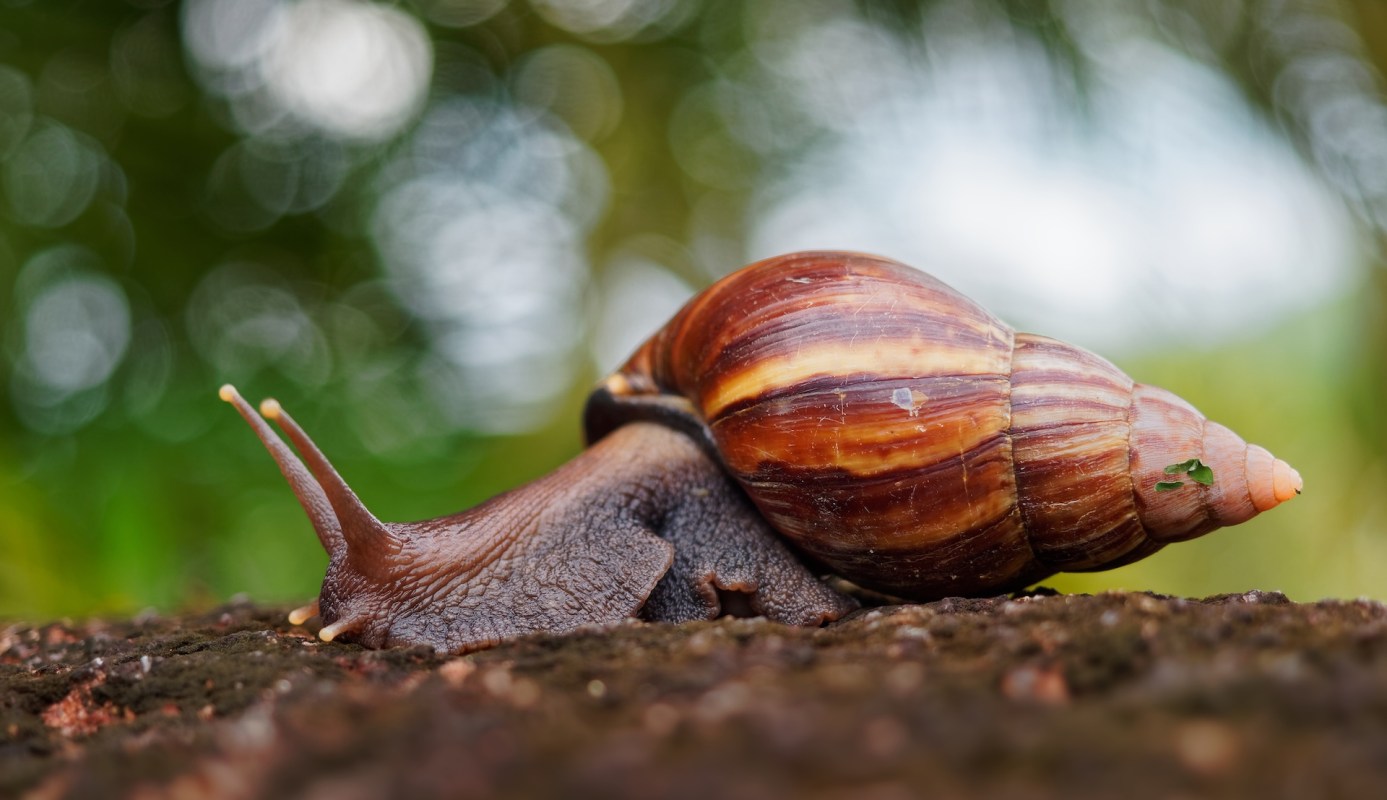
Officials in Southwest Florida are asking residents to be on the lookout after noting the giant African land snail has been spotted in the U.S. again.
The snail is considered to be one of the most invasive species on the globe, and early detections have already led to quarantines in parts of the region, highlighting how a single outbreak can endanger gardens, agriculture, neighborhoods, and public health.
What's happening?
The Times of India reported that Florida has dealt with the invasive snail repeatedly over the years, and authorities are again trying to keep it from spreading.
One reason for the urgency is how quickly the species can multiply. The Times of India reported that a single adult may produce as many as 1,200 eggs. In response to the snail's return, Florida agriculture officials are asking residents to report possible sightings as soon as they can.
Residents are being told to look for very large snails with pointed brown shells that can reach about 8 inches, slime trails on walls or paved areas, plant damage, and small pale eggs in the soil.
Why does it matter?
The giant African land snail, as reported by The Times of India, can feed on hundreds of plant species, putting farm crops and home gardens alike at risk. The pest can also damage structures by chewing through calcium-rich plaster and stucco, creating an added burden for homeowners and communities.
TCD Picks » Quince Spotlight
💡These best-sellers from Quince deliver affordable, sustainable luxury for all




There is an additional health concern. Authorities warn that the snail may harbor a parasite linked to meningitis in humans, according to The Times of India, which is why residents are being told not to touch it if they come across one.
Officials are relying on quarantine restrictions and quick public reporting to limit the spread. As described by The Times of India, people in affected areas may be barred from transporting plants, soil, yard debris, and similar materials that could spread eggs to new locations.
Authorities say eradication can take years. The Times of India said suspected finds should be photographed and reported rather than handled.

Get TCD's free newsletters for easy tips, smart advice, and a chance to earn $5,000 toward home upgrades. To see more stories like this one, change your Google preferences here.







