


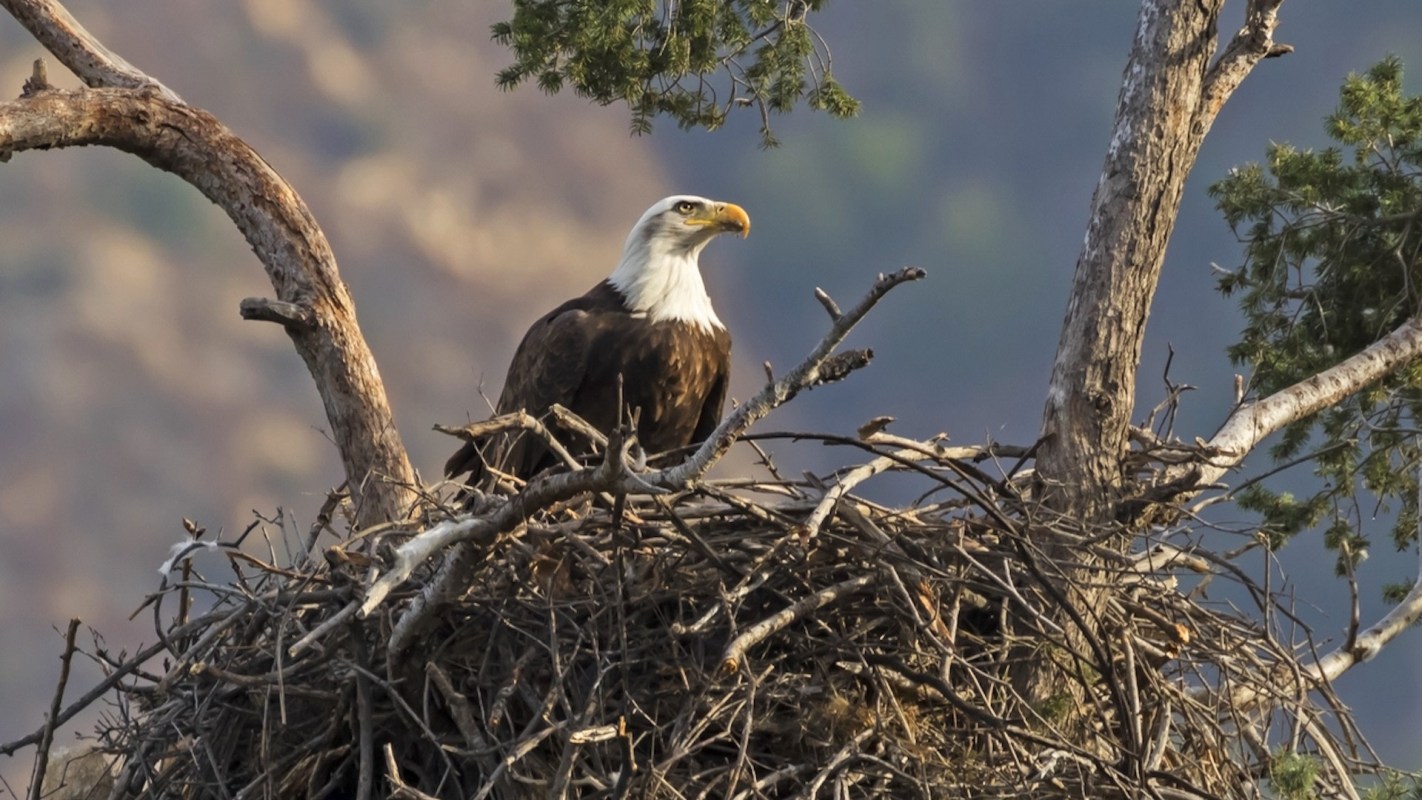
The Georgia Department of National Resources recorded above average nesting success rates for bald eagles in most checked areas, according to a recent article in the Georgia Recorder.
Annual surveys across the state are collected to monitor the bald eagle population. Two years ago, the species took a severe hit because of a highly pathogenic avian influenza, per the Recorder.
After the outbreak, the number of successful nests on the coast dropped about 30%, and less than half of the nests that were surveyed produced one eaglet.
This year, however, the survey had great news: 145 nest territories were recorded, and 116 were successful, producing a total of 178 eagles.
"It's always exciting when you see a bird that's bouncing back and increasing its numbers, because, as has been sort of widely reported in recent years, most bird populations are in steep decline, so it's great news about the eagles," Melanie Furr, director of education at Birds Georgia, told the Recorder.
When one species suffers, it creates a domino effect that disrupts the entire local ecosystem. Bald eagles, for example, play a key role in the balance of nature. Since they not only eat live prey but also scavenge for food, bald eagles help dispose of dead animals.
TCD Picks » Quince Spotlight
💡These best-sellers from Quince deliver affordable, sustainable luxury for all




While the bald eagle's recovering population is the start of a successful conservation story, there are still factors threatening their survival rates.
"Poisoning is still a concern," Furr told the Recorder.
Because eagles hunt prey other than fish, such as rodents, there is also the risk they will consume toxic poisons from rodenticides. Furr, too, cited habitat loss and rising global temperatures as threats impacting the bald eagle population along with other birds of prey, including hawks and owls.

Join our free newsletter for good news and useful tips, and don't miss this cool list of easy ways to help yourself while helping the planet.







