


Canadian gardeners with longer planting wish lists this season may have a new reason for optimism, as updated federal guidance suggests some plants could now survive outdoors in regions where they would have struggled just a decade ago.
According to CBC, an updated plant hardiness map from Natural Resources Canada indicates that some parts of the country can now support a wider range of species.
Natural Resources Canada released the revised version of Canada's plant hardiness zone map last July, marking its first update in about 10 years.
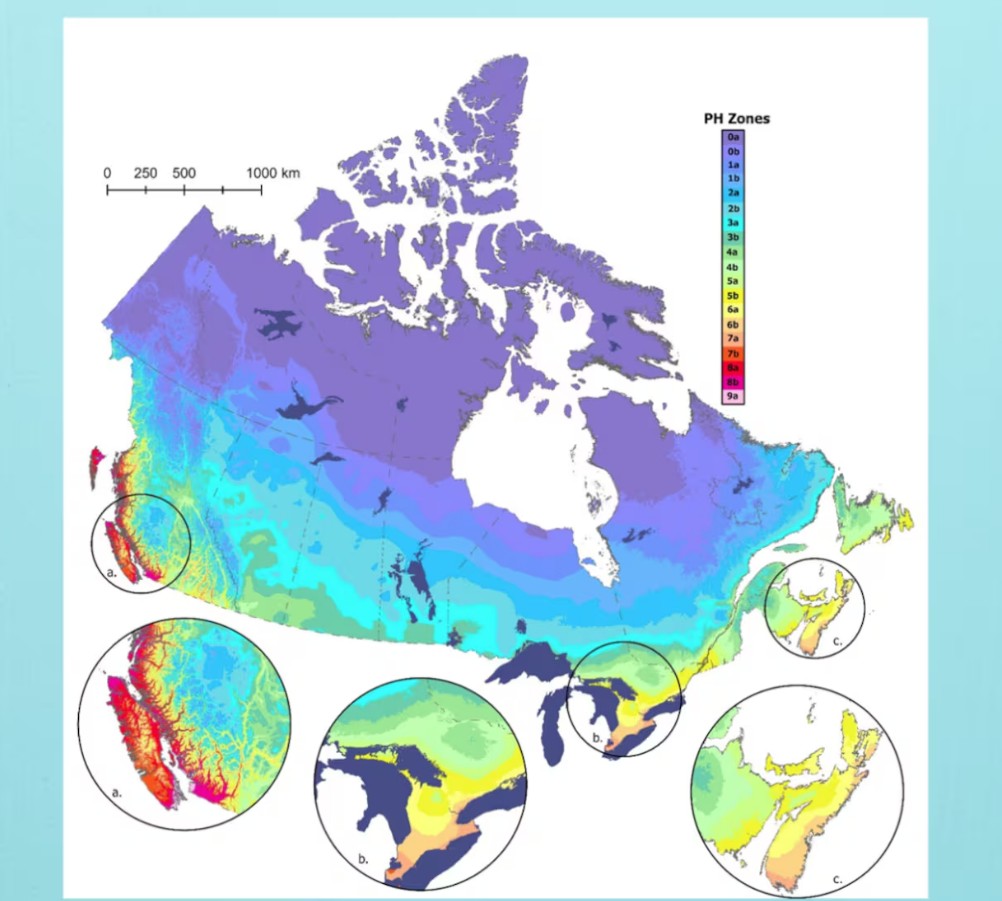
Nurseries and home gardeners use the map to estimate which plants are most likely to survive local conditions.
The zones are based on several climate factors, including rainfall, winter cold, and wind. They range from 0A, where very little can grow, up to 9A.
According to John Pedlar, a research scientist with the Canadian Forest Service, places with similar hardiness ratings tend to share similar growing conditions and plant communities.
TCD Picks » Quince Spotlight
💡These best-sellers from Quince deliver affordable, sustainable luxury for all




Some of the most notable shifts appeared in Western Canada, though parts of eastern Ontario also saw changes. Almonte went up by one full zone, the Kemptville and Smiths Falls area increased by half a zone, and Ottawa and Kingston stayed at Zone 5A.
These changes could make room for plants such as cherries, pears, and some apricot varieties in places where they were not previously expected to survive.
For everyday gardeners, the update could reshape what is possible in backyards, community gardens, and landscaping projects. A plant that once seemed too risky for a region may now be a reasonable choice, especially for perennials, shrubs, and trees intended to last for years.
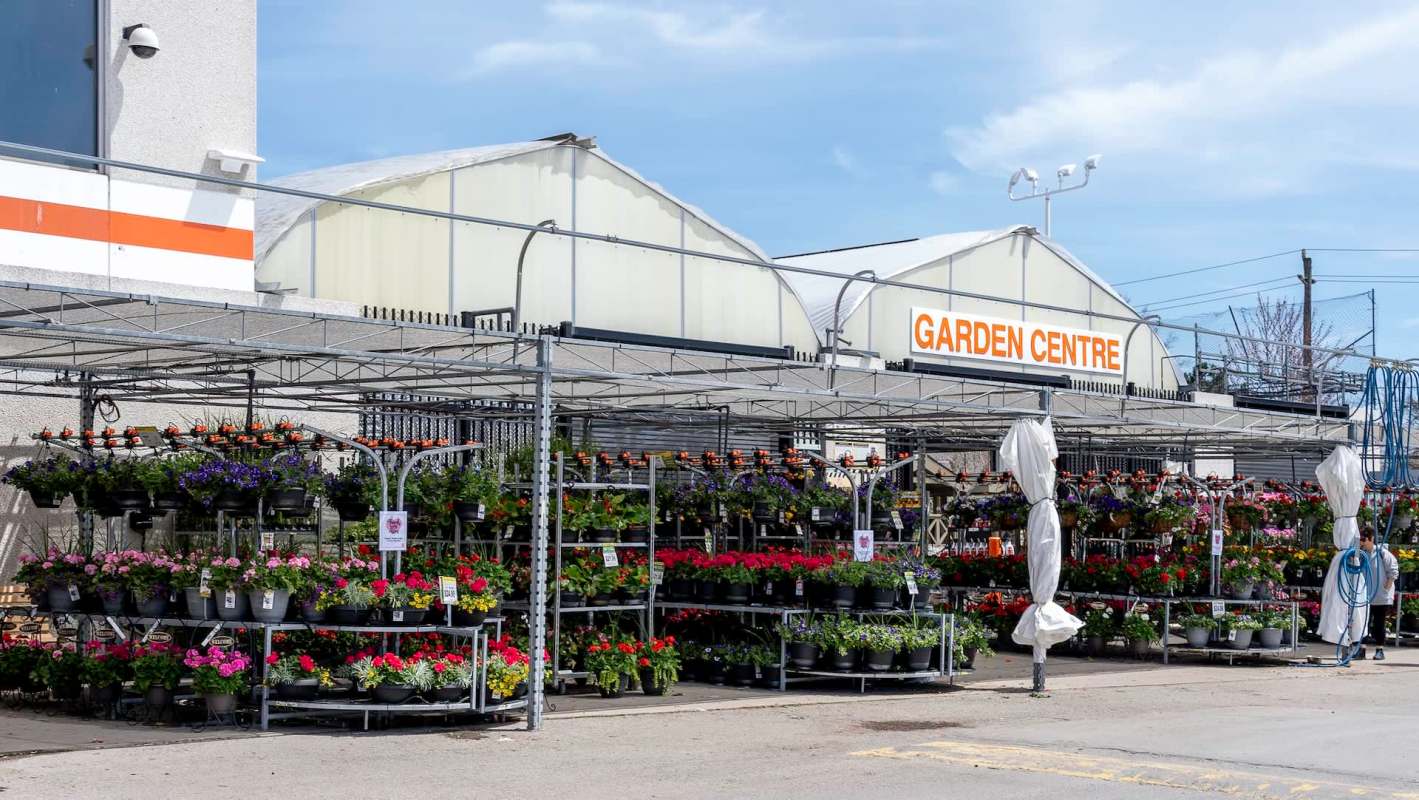
That may come as welcome news for shoppers heading to greenhouses over the Victoria Day long weekend, widely seen as the start of gardening season in many parts of Canada. It also gives nurseries a clearer framework for deciding what to stock and recommend.
At the same time, the updated map reflects a broader and less cheerful reality: climate change is already altering growing conditions across the mostly subarctic country.
"The main reason for that is the climate is changing," John Pedlar, a research scientist with the Canadian Forest Service, reinforced.
Warmer average conditions may expand the range for some plants, but they also point to long-term environmental disruption affecting ecosystems, weather patterns, and agriculture.
So while there is a genuine gardening upside, the larger context remains important. This is not simply a lifestyle update. It is another sign that the climate Canadians have long planned around is shifting.
Greenhouses and garden centers are already adjusting. Robert Plante Greenhouses in east Ottawa has been updating its inventory regularly, manager Colin Matassa said, to keep pace with changing conditions.
For gardeners, that means they should be sure to check the updated map, read plant labels, and experiment with new species carefully.
It is also important to balance ambition with realism. A small zone shift may support a few new fruit trees or ornamentals, but it doesn't mean every warm-climate plant is suddenly fair game in Canada.
"It doesn't mean Ontario is suddenly going to start growing bananas," Pedlar added.

Get TCD's free newsletters for easy tips, smart advice, and a chance to earn $5,000 toward home upgrades. To see more stories like this one, change your Google preferences here.







