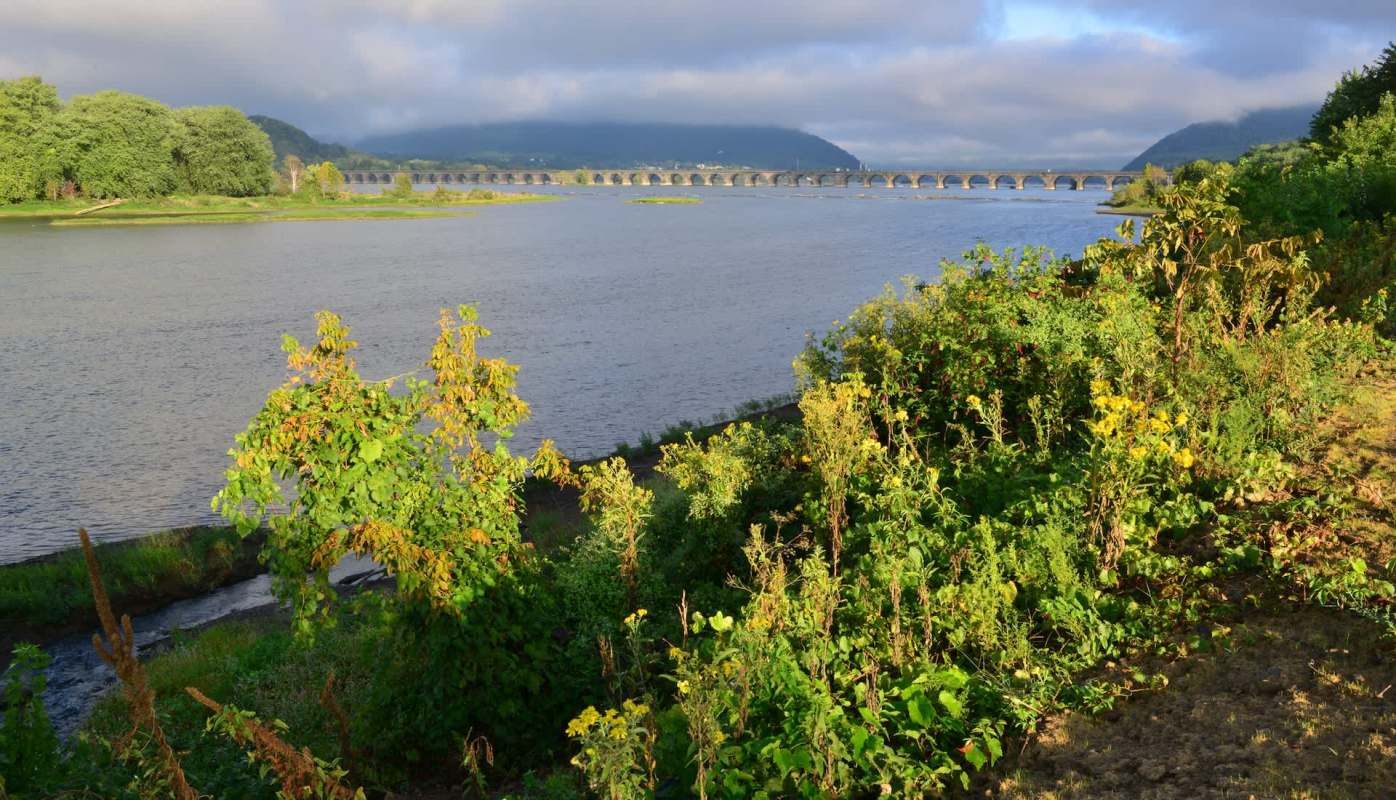
An invasive species is spreading aggressively in the Susquehanna River Valley and has been discovered to be more widespread than previously thought, as reported by The Daily Item.
"And, voila, this thing is all over the place," said Dr. Chris Martine, Bucknell University biology professor. "Way more abundant than had been previously reported."
What's happening?
The garden loosestrife has invaded the Susquehanna River Valley, an area of low-lying land that follows the Susquehanna River through New York, Pennsylvania, and Maryland, and ends at the Chesapeake Bay.
The species is native to Europe and northern Africa and has been a problem in the Pacific Northwest region of the United States. It was only recently recognized as an issue in the Northeast.
Martine explained that the invasive species had gone largely undetected because of its resemblance to several native plants.
The native plants in the area grow along rivers, streams, marshes, and other wet habitats called scour zones. The ones in the valley are kept moist by annual ice and flooding, but the typical cycle has changed because of changing climate patterns.
TCD Picks » Good Store Spotlight
Get 10% off your next purchase with code TCD10




Ice moving down the river has become less frequent, which is posing a threat to the native plants that thrive on the moisture. This has provided an opportunity for the garden loosestrife to take over and dominate the habitats.
Why is the prevalence of this invasive species important?
As an invasive species, the garden loosestrife is taking resources that native plant species need to survive and thrive, disrupting the balance of the local ecosystem. In addition to affecting the native plants, it is threatening the local fish population as well as other native aquatic animals that depend on the natural habitats for food and shelter.
Once the garden loosestrife — or any invasive species in any area — becomes established, it is very difficult to get rid of.
What's being done about the garden loosestrife?
Because the invasive species is easily mistaken for similar-looking native plant species, the battle against the garden loosestrife is a challenge. According to the Item, experts are advising residents not to plant it in their gardens, watch for the plant when spending time outdoors — and remove it, if possible — and post any observations on the iNaturalist app.
TCD Picks » Quince Spotlight
💡These best-sellers from Quince deliver affordable, sustainable luxury for all




Martine is also concerned about the evolving ice patterns. "Big chunks of ice moving through the river maintain these systems," he explained. "That's becoming less frequent and that's already threatening these cool native plant communities."
|
Do you think the government should ban gas-powered lawn tools? Click your choice to see results and speak your mind. |
 No way 🙅
Join our free newsletter for good news and useful tips, and don't miss this cool list of easy ways to help yourself while helping the planet.