


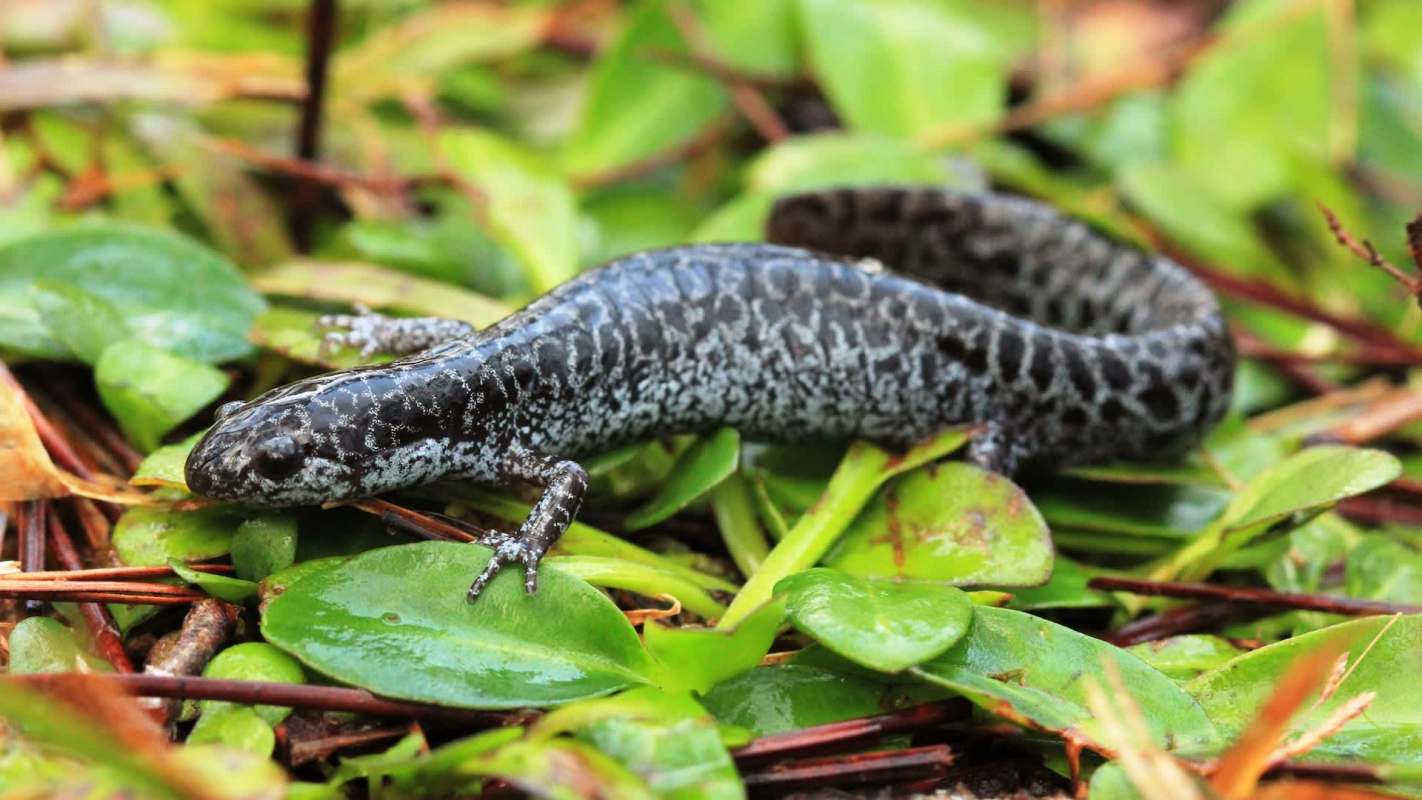
In bogs near Tallahassee, Florida, scientists crouched through grass and mud in a race against time, searching for tiny salamander eggs before drought and predators destroy them.
The mission is urgent as the frosted flatwoods salamander slips toward what biologists call an "extinction vortex," NPR reported.
Nicole Dahrouge, with the Amphibian and Reptile Conservancy, is working to save the rare amphibian by locating egg clusters in drying seasonal wetlands and raising them in captivity.
The species is among the most imperiled amphibians in North America, and scientists say its shrinking population, isolated habitat, and intensifying climate pressures are compounding the threat.
Frosted flatwoods salamanders lay eggs in ephemeral ponds in the fall, counting on winter rains to flood the area so the eggs can hatch. But in severe drought years, those ponds remain dry, and the eggs can die before they get the chance. Even after hatching, the larvae face intense predation.
As Dahrouge put it, "everything eats them."
TCD Picks » Quince Spotlight
💡These best-sellers from Quince deliver affordable, sustainable luxury for all




The flatwoods salamander was first federally listed as threatened in 1999. After a 2009 species split, the frosted flatwoods salamander retained its threatened status, but a Fish and Wildlife Service status review released in 2019 concluded the species should be listed as endangered because its numbers were still declining.
Today, it is known to survive in only four areas.
Frosted flatwoods salamanders depend on the longleaf pine ecosystem, a once-vast Southeastern landscape that now retains only about 3% of its longleaf pine forest in intact form after logging, farming, development, and fire suppression.
ARC Executive Director JJ Apodaca said that once a species gets this close to extinction, saving it takes enormous labor and resources.
To give the species a fighting chance, Dahrouge and her colleagues are using a conservation strategy known as headstarting, which involves collecting vulnerable eggs, hatching them under controlled conditions, and raising larvae in backyard mesocosms built with cattle tanks to mimic natural wetlands.
The goal is to help more young salamanders survive before being released back into the wild.
The work is intensely hands-on. Eggs are stored in damp soil until they are ready to hatch. Larvae are raised in cattle tanks filled with field-collected vegetation and water, and staff even remove tiny predators by hand.
Dahrouge said the process is "very time-intensive but very necessary."
Scientists and conservation groups are also restoring habitat across longleaf pine landscapes by removing overgrowth and improving wetlands.
Some experts say habitat restoration must remain the foundation of recovery. Others argue that for a species this close to the brink, direct intervention is essential now alongside landscape-scale repairs.
"But we either do this now or we watch them go extinct," Apodaca said.

Get TCD's free newsletters for easy tips, smart advice, and a chance to earn $5,000 toward home upgrades. To see more stories like this one, change your Google preferences here.







