


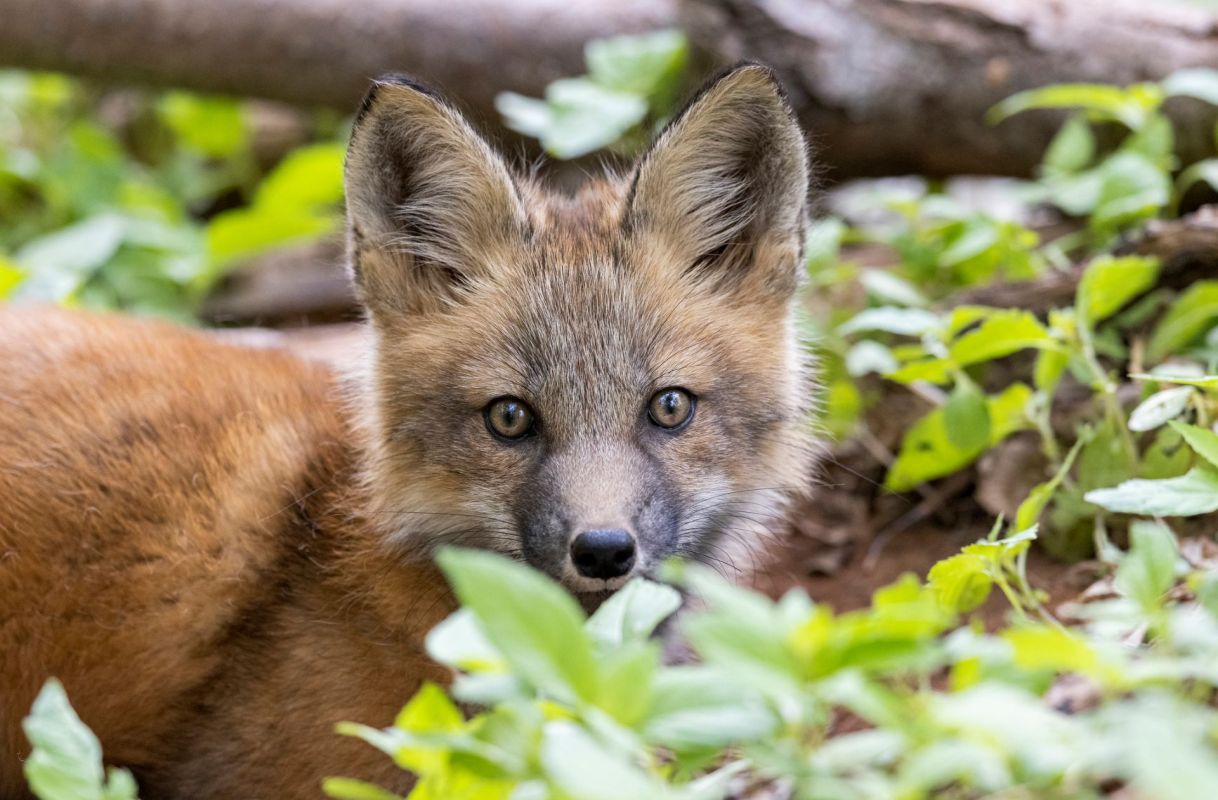
As temperatures climbed to 95 degrees Fahrenheit in the United Kingdom during the recent heat wave, a fox cub got trapped in netting behind a shed with no way to free itself.
But the situation ended well: Two wildlife rescuers found the cub and cut it loose, returning it to its family in the wild. It also highlighted how ordinary materials left around a yard can be dangerous for wildlife.
What happened?
Louis and Gabe, two members of the Wildlife Aid Foundation, filmed themselves as they went to rescue the trapped cub.
The duo safely cut the animal out of the netting, and, once it was free, they returned it back to the wild.
Why does it matter?
During periods of extreme heat, wildlife often moves closer to homes, sheds, and gardens in search of shade, water, or shelter. This can bring animals into direct contact with plastic netting, fencing, and other materials that were not meant to trap them but often do.
For young animals in particular, entanglement can be life-threatening. A trapped fox cub is at risk of dehydration, overheating, panic, and injury — all of which become more dangerous in hot weather.
TCD Picks » Quince Spotlight
💡These best-sellers from Quince deliver affordable, sustainable luxury for all




These events can be distressing for homeowners, neighbors, and rescuers alike. Foxes play a useful role in local ecosystems by controlling rodent populations, so protecting them supports a healthy balance in the places where people live, too.
What can I do?
Loose plastic netting is especially hazardous because small animals can become tangled in it when they duck under shrubs, slip behind sheds, or squeeze through tight spaces. Taut, well-secured barriers and wildlife-safe alternatives are generally better choices.
Checking outdoor spaces more often during heat waves can help as well. Sheds, fences, garden corners, and brush piles can become temporary refuges for stressed animals, and spotting a problem early can make a rescue much easier.
If you find a trapped animal, the safest course of action is to contact a licensed wildlife rehabilitator, a local rescue group, or an animal control agency. Keeping the creature calm and shaded while waiting for help can reduce stress on the animal and lower the risk of injury.

Get TCD's free newsletters for easy tips, smart advice, and a chance to earn $5,000 toward home upgrades. To see more stories like this one, change your Google preferences here.







