


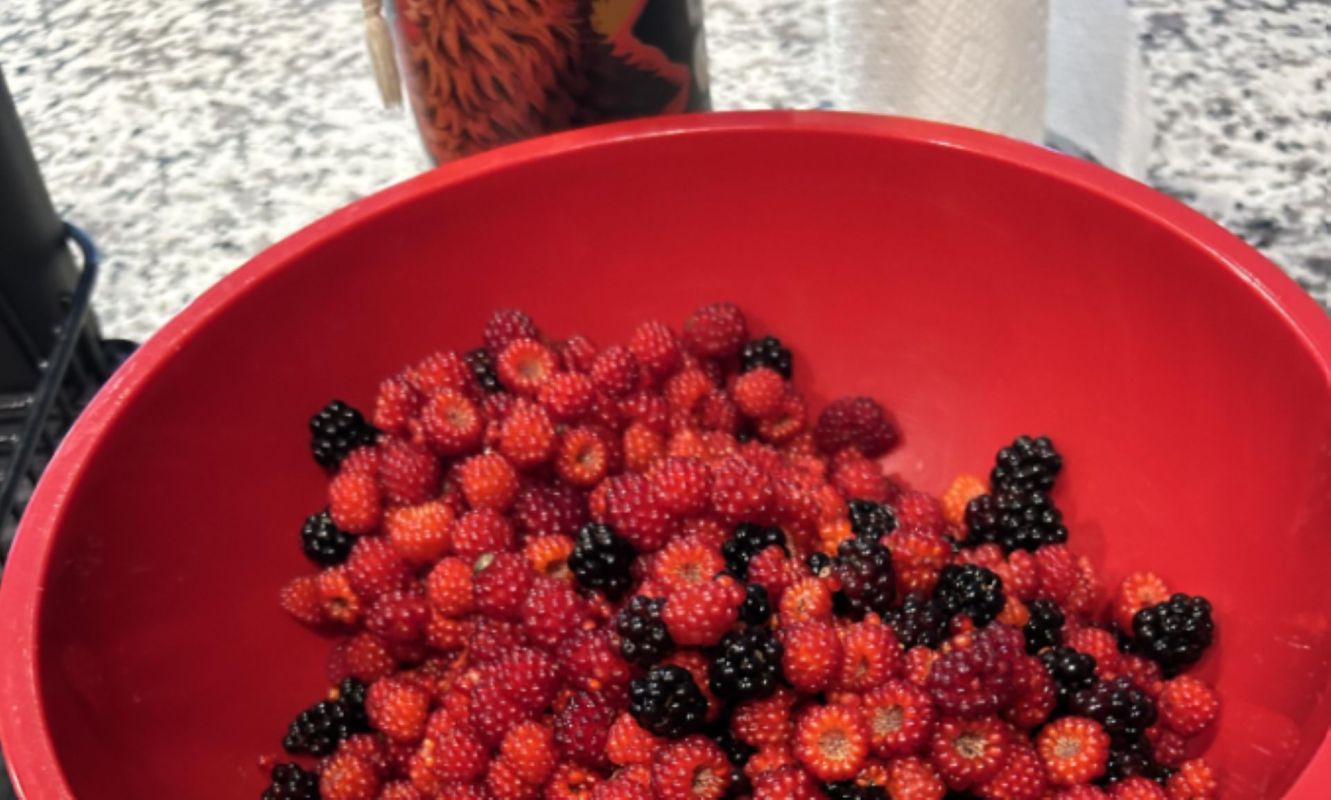
A Northern Virginia forager posted a basketful from a summer berry haul and ended up drawing attention for more than the fruit. Commenters praised the original poster for making it clear they would not help propagate invasive plants, no matter how good the berries taste.
What happened?
In a Reddit post in the r/foraging forum, the OP described the collection as "mostly wineberries plus Allegheny (I think) blackberries." Other foragers admired the midsummer bounty and traded ideas for how to use that much fruit.
"Two pounds of wineberries is a great score," one commenter said. "They always seem to produce way more than you can eat fresh." Besides that, the thread featured suggestions to make jam and freeze the leftovers.
A suggestion to root cuttings and start a patch at home got a quick no from the original poster, who replied, "I'm not gonna contribute to the spread of an invasive species in my area like that."
The same commenter then pointed to a more eco-friendly option: "Ah right, I always forget wineberries are invasive. Black raspberries root just as easily and they're native."
Why does it matter?
Even if wineberries are tasty, they are still invasive. Opting to plant native black raspberries or blackberries instead can protect local ecosystems while still giving gardeners a reliable berry crop.
TCD Picks » Quince Spotlight
💡These best-sellers from Quince deliver affordable, sustainable luxury for all




A backyard berry patch can help families save money on produce, enjoy fresher, better-tasting fruit, and support mental and physical health through time spent outdoors.
The thread also touched on disappearing roadside food sources. While spraying may be used for vegetation management, it can also wipe out accessible patches that both people and wildlife depend on.
What are people saying?
"That looks like pie filling," one person wrote, to which the original poster replied, "It could've been, but bf and I just ate most of 'em by the handful last night."
"So many wineberries!! Super jealous," another commenter said.

Get TCD's free newsletters for easy tips, smart advice, and a chance to earn $5,000 toward home upgrades. To see more stories like this one, change your Google preferences here.







