


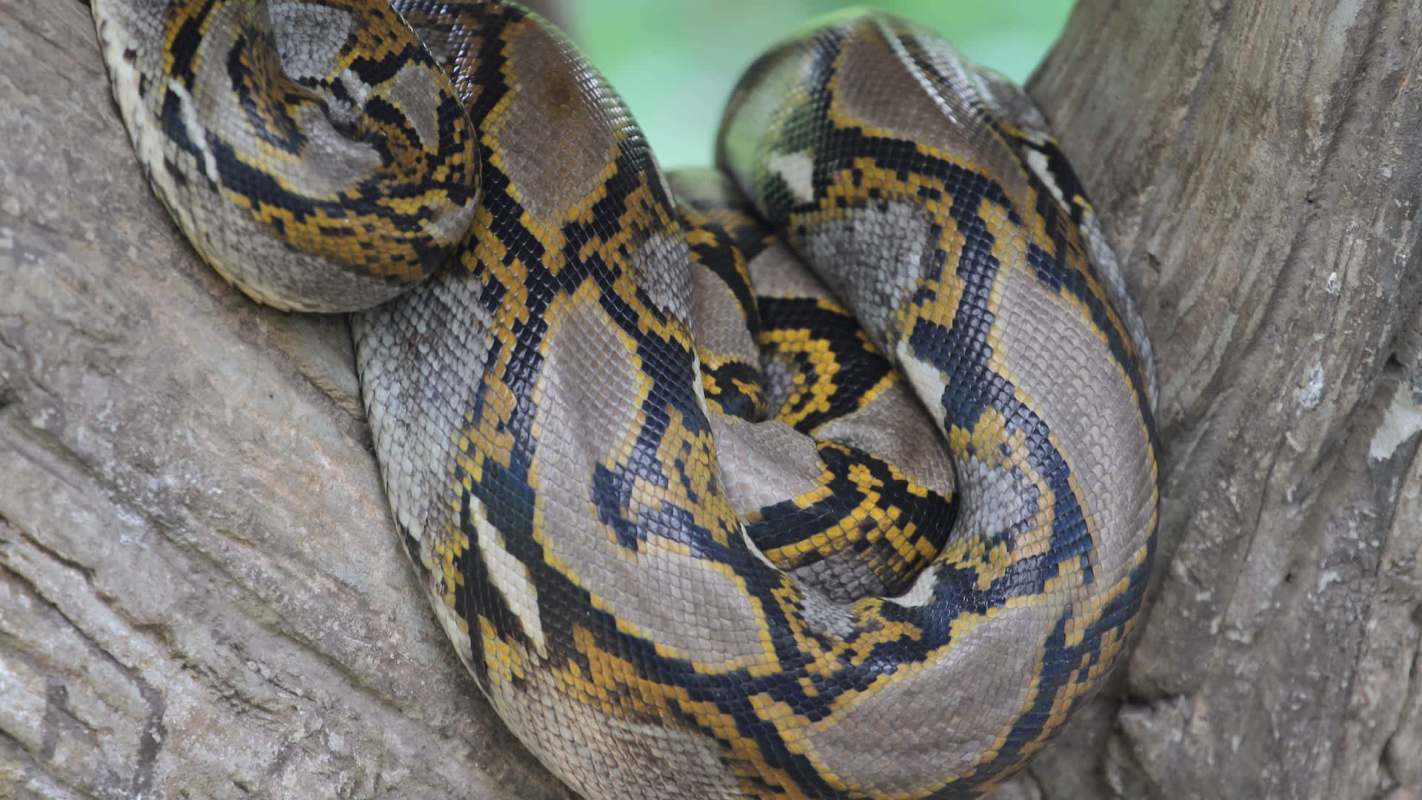
An online discussion is spotlighting an unexpected way Florida's invasive python problem may be changing the Everglades. Beyond their well-known toll on native wildlife, the snakes could also be transporting plant seeds after passing them in their droppings.
As strange as it sounds, the development could further complicate efforts to protect one of the country's most important wetlands — and the communities that depend on it.
What happened?
A Reddit post shared a story from The Times of India with the headline: "Florida's giant Burmese pythons are doing more than eating wildlife, they are transforming the Everglades by spreading seeds."
According to that report, the snakes may eat fruit-bearing prey and later expel plant seeds in their waste, which could help spread vegetation through the wetland.
A study published in the Journal of Zoology found 25 different kinds of seeds in the digestive tract of Burmese pythons they collected. Researchers discovered that almost 40% of cabbage palm seeds passed through the digestive tract during germination experiments and successfully sprouted later.
Why does it matter?
The Everglades is not just a wildlife destination. It plays a major role in Florida's water system, supports recreation and tourism, and helps shield communities from flooding and other environmental pressures.
TCD Picks » Quince Spotlight
💡These best-sellers from Quince deliver affordable, sustainable luxury for all




When an invasive species alters that system, the effects can extend far beyond the food chain.
This report suggests that their impact may extend beyond losses among native animals. If Burmese pythons are also relocating seeds, they could influence where plants take hold and gradually change how habitats develop over time.
That makes restoration even more difficult, since conservation teams may be dealing with both direct predation and longer-term landscape shifts driven by the same animal.
A less stable Everglades can mean more expensive conservation work, greater strain on local ecosystems, and slower progress toward a healthier future for Florida residents and wildlife alike.
What are people saying?
Commenters were quick to focus on the possibility that native predators could help mitigate the situation.
One shared an article about animals attacking pythons and wrote, "Great news that the coyotes are slowly becoming the Python's worst nightmare and decreasing the Florida population. Suddenly, pythons are becoming the prey and bobcats are starting to feed on them and the eggs."
Another added, "Some good news today! I am always grateful to our native predators and I hope others start seeing that too."

Get TCD's free newsletters for easy tips, smart advice, and a chance to earn $5,000 toward home upgrades. To see more stories like this one, change your Google preferences here.







