


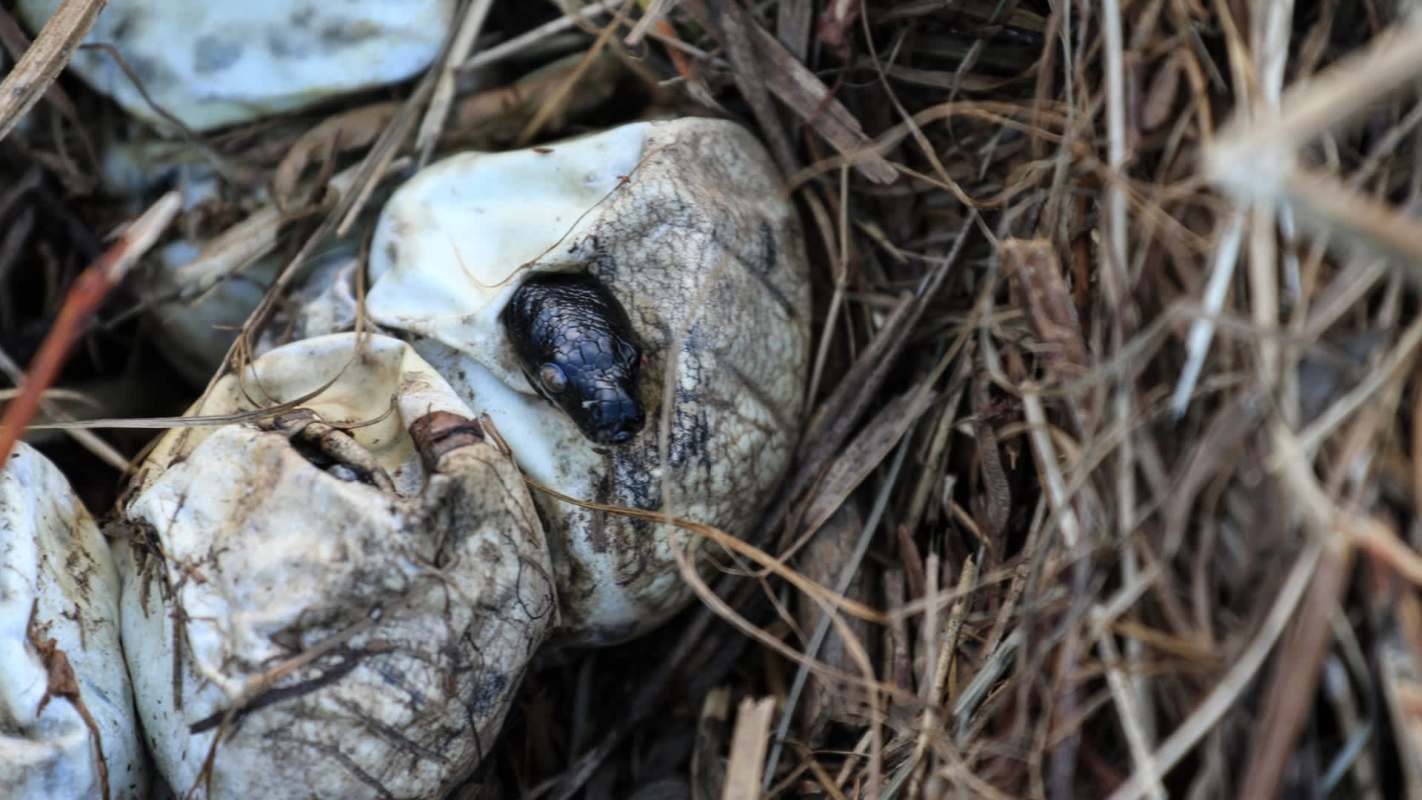
Florida's 2026 Python Challenge mostly turned up hatchling Burmese pythons instead of the giant adults the event is better known for.
The result suggests the invasive snakes are still breeding in large numbers across South Florida, according to WGCU.
Here's what to know
Hatchlings made up most of the pythons caught and logged during the 10-day challenge, which ended in mid-July.
The contest was intentionally moved to summer for a specific reason, Lisa Thompson, a spokeswoman for the Florida Fish & Wildlife Conservation Commission, noted.
"We actually moved the competition to the summer during hatchling season," Thompson explained, per WGCU.
"This allows us to remove small pythons from the environment before they have a chance to cause real damage to the ecosystem."
TCD Picks » Quince Spotlight
💡These best-sellers from Quince deliver affordable, sustainable luxury for all




More background
Tom Rahill earned the $10,000 prize for catching the most pythons, removing 96 during the competition.
He told FOX 13 Tampa Bay that the haul came after he found a nest he described as "a Medusa party."
The overall tally also included at least 100 more juveniles, Thompson said.
WGCU reported that hatchlings are about 16 to 24 inches long.
According to the outlet, the Florida Python Challenge is intended mainly to highlight the harm invasive species cause in South Florida rather than to sharply cut the number of constrictors.
WGCU said Everglades National Park was added to the hunt area, and both Rahill and Rahm Levinson — who won the prize for the longest Burmese python — made their prize-winning catches there.
Levinson won the $1,000 prize for the longest python with a 16-foot, 5-inch snake.
What's being done?
Officials say the summer timing is meant to remove young pythons from the wild before they grow up and join the breeding population.
Since 2017, hunters have removed more than 1,600 pythons in the challenges, per WGCU.
Where can I learn more?
The hatchling-heavy count hints at a bigger trend in the Everglades: Burmese pythons are still spreading and reproducing. That helps explain why Florida crews are putting more focus on nests, eggs, and young snakes before they can grow into breeding adults.
• In the Florida Everglades, hunters removed 431 eggs before hatchlings could flood a marsh.
• Across Florida, Burmese pythons are breeding faster than scientists thought, exacerbating fears raised by all those hatchlings.
That context helps explain why so many small snakes turned up during the challenge. Catching pythons, especially the youngest ones, is part of a much larger effort to keep the next population surge in check.

Get TCD's free newsletters for easy tips, smart advice, and a chance to earn $5,000 toward home upgrades. To see more stories like this one, change your Google preferences here.







