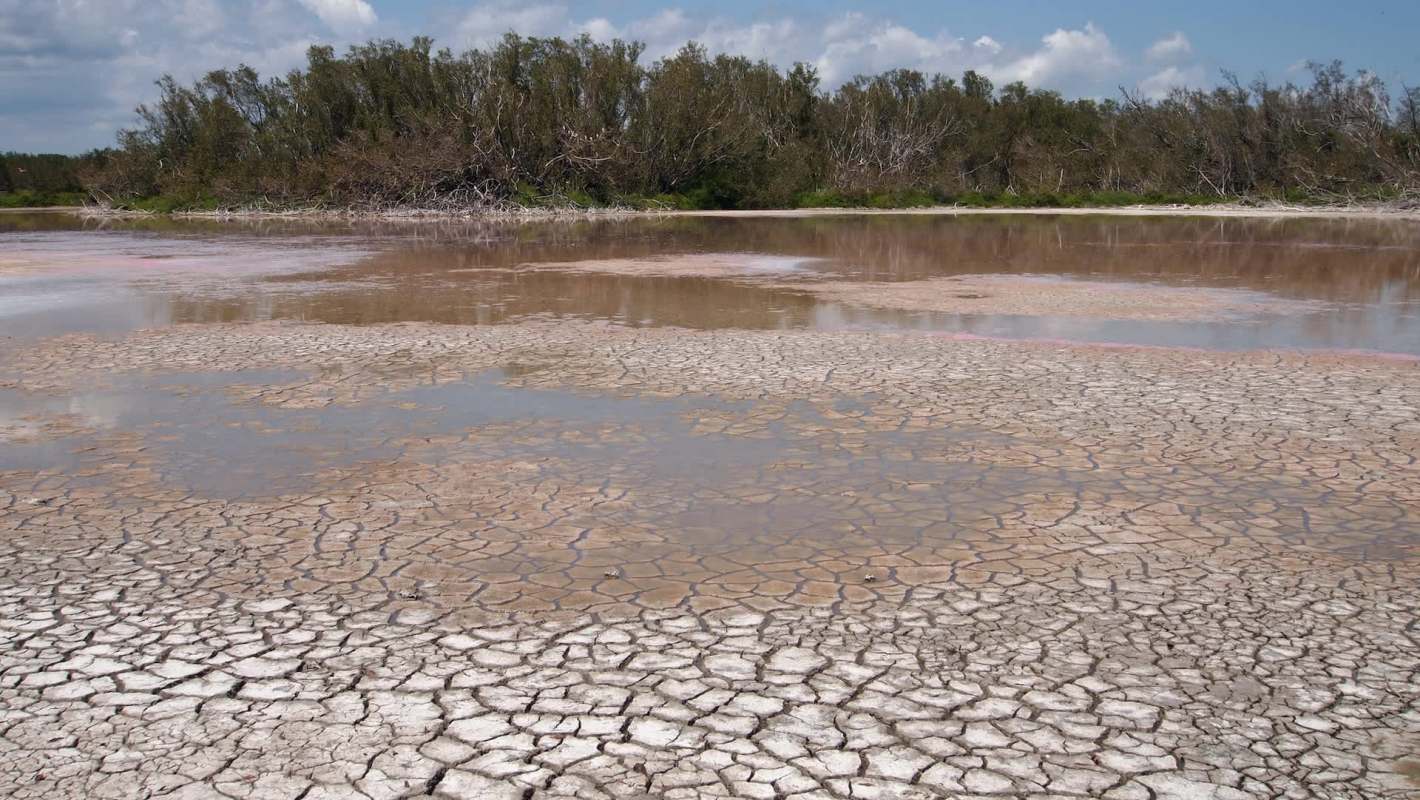
Florida is still grappling with worsening drought even as the state moves through the part of the year when afternoon storms typically do the most to recharge wetlands, lakes, and water supplies.
Here's what to know
Late-August conditions cited by CBS12 showed worsening drought in parts of South Florida and the Treasure Coast. Storms have developed in some places, but the rainfall has been too patchy to offset broader, longer-term shortages.
Ongoing heat and a weak sea-breeze setup have limited how widely storms have formed. That has made the situation stand out at this stage of Florida's wet season, when summer thunderstorms would normally begin to reduce at least some of the deficits left by the drier winter and spring.
CBS12 said parts of southern Miami-Dade County remain in D3, or extreme drought, while other areas of South Florida are still classified as D2, or severe drought.
Lake Okeechobee stood at 10.87 feet, compared with a typical late-August level of about 14.1 feet.
More background
As CBS12 noted, Lake Okeechobee is central to South Florida's water system, serving communities, farms, and ecosystems, and playing a major role in the Greater Everglades.
TCD Picks » Quince Spotlight
💡These best-sellers from Quince deliver affordable, sustainable luxury for all




Low water levels can strain crops, put added pressure on local water management systems, and damage habitats that depend on steady freshwater flows. Dry conditions can also raise wildfire risk in vulnerable areas.
Even where thunderstorms bring heavy rain in a short burst, recovery can remain uneven if the wider region does not receive enough sustained precipitation.
What can be done?
Water conservation in areas facing prolonged drought can include limiting unnecessary outdoor watering, fixing leaks, and following guidance from local water managers or municipalities.
Preparing for drought-driven heat and wildfire risk can include staying informed about local forecasts, avoiding outdoor activity during the hottest parts of the day, and monitoring burn advisories.
At the community level, monitoring reservoirs, canals, and major lakes such as Okeechobee can help guide supply decisions and protect both households and agriculture as conditions change.

Get TCD's free newsletters for easy tips, smart advice, and a chance to earn $5,000 toward home upgrades. To see more stories like this one, change your Google preferences here.