


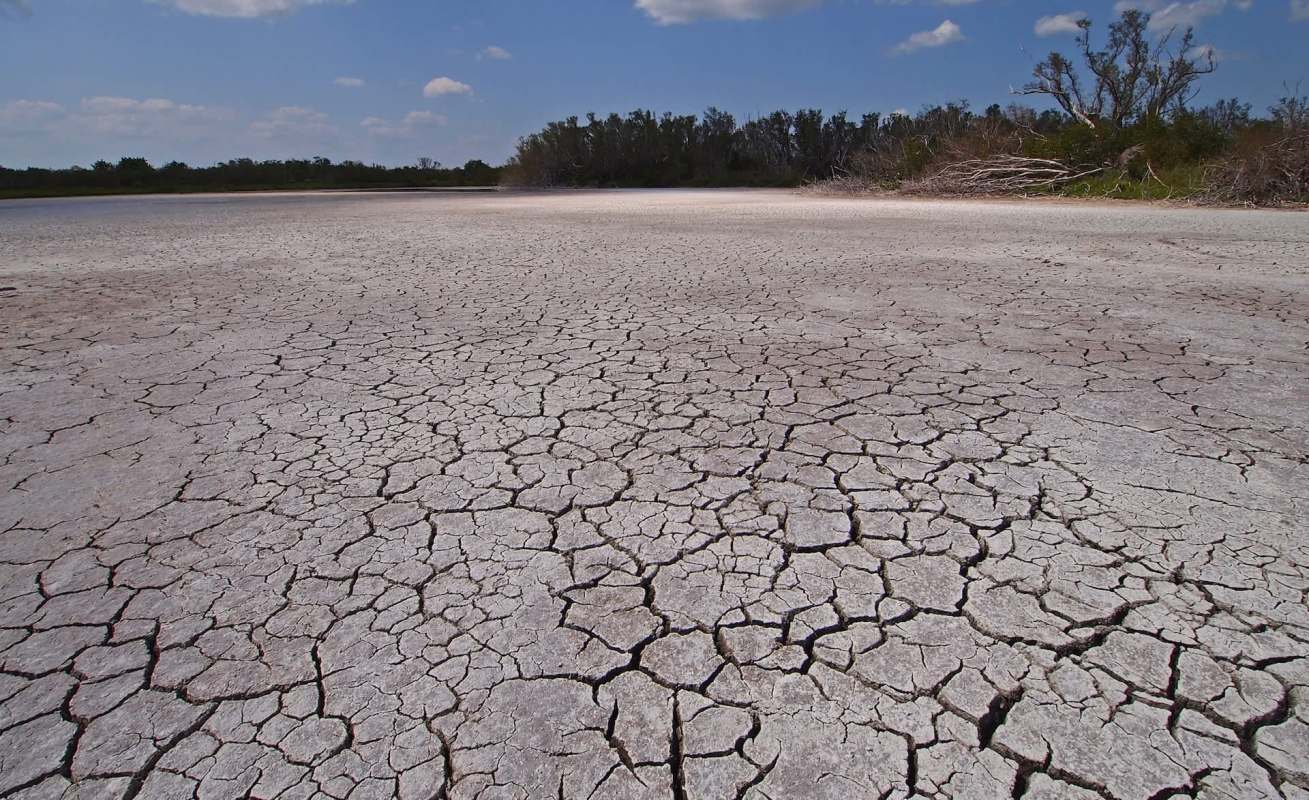
Drought conditions expanded across the Southeast during the last week of meteorological winter, with 90% of the region experiencing some level of drought. For the first time in more than a quarter-century, the entire state of Florida is experiencing a drought.
The final U.S. Drought Monitor report for February revealed that the Sunshine State was experiencing at least a moderate drought (Level 2 out of 5). It marks the first time since drought records began in 1999 that 100% of Florida was in drought. Just over two-thirds of the state was experiencing an extreme drought (Level 4 of 5).
"Polk County farmers say this is the worst dryness they've seen in about 15 years, and fire danger continues to increase as vegetation dries out," WFLA reported. The dry weather has fueled the National Fire, a large wildfire that has been burning for over a week just east of Naples in the Big Cypress National Preserve. The blaze has charred over 35,000 acres and was 53% contained as of early Wednesday.
Florida is one of four southeastern states where a drought encompasses the entire state. All of North Carolina, South Carolina, and Georgia are also enduring drought conditions. The area experiencing a drought in the Southeast expanded from 59% in late November to 90% by the last week of winter. The South, which includes Texas, Oklahoma, Arkansas, Louisiana, Mississippi, and Tennessee, has the second-highest percentage of drought as a region, with nearly 75%.
Recent rain has helped firefighters battling the blaze, but more is needed. "The southern portion of the fire received approximately a half of inch of rain reducing fire intensity and smoke impacts," officials noted, per InciWeb. "The effects of precipitation will be short-lived due to low moisture content of fuels, wind, and solar radiations rapidly drying fuels."
The Sunshine State had an unusually warm and dry winter. The first two months of meteorological winter, December and January, were the 35th-warmest and 18th-driest on record for Florida, according to the National Centers for Environmental Information.
The U.S. climate report for February will be released in a few days, but it is already clear from the data for major cities across Florida that it will rank as another dry month compared to normal. Orlando and Jacksonville each received less than one-third of their average rainfall for the month. Miami had only around one-tenth of an inch of rain in February compared to an average of 2.15 inches.
Our overheating planet is exacerbating the impacts of droughts and wildfires in the U.S. "Warmer temperatures cause more evaporation, turning water into vapor in the air, and causing drought in some areas of the world," scientists with the Center for Science Education said. "Places prone to drought are expected to become even drier over the next century. This is bad news for farmers who can expect fewer crops in these conditions."
That same heat-driven drying doesn't just strain crops; it can also prime landscapes to burn. "Research shows that changes in climate create warmer, drier conditions, leading to longer and more active fire seasons," according to the National Oceanic and Atmospheric Administration. "Increases in temperatures and the thirst of the atmosphere due to human-caused climate change have increased aridity of forest fuels during the fire season."
|
Which of these savings plans for rooftop solar panels would be most appealing for you?
Click your choice to see results and earn rewards to spend on home upgrades. |
 Save $1,000 this year 💸
Get TCD's free newsletters for easy tips to save more, waste less, and make smarter choices — and earn up to $5,000 toward clean upgrades in TCD's exclusive Rewards Club.
TCD Picks » Quince Spotlight
💡These best-sellers from Quince deliver affordable, sustainable luxury for all




Cool Picks






