


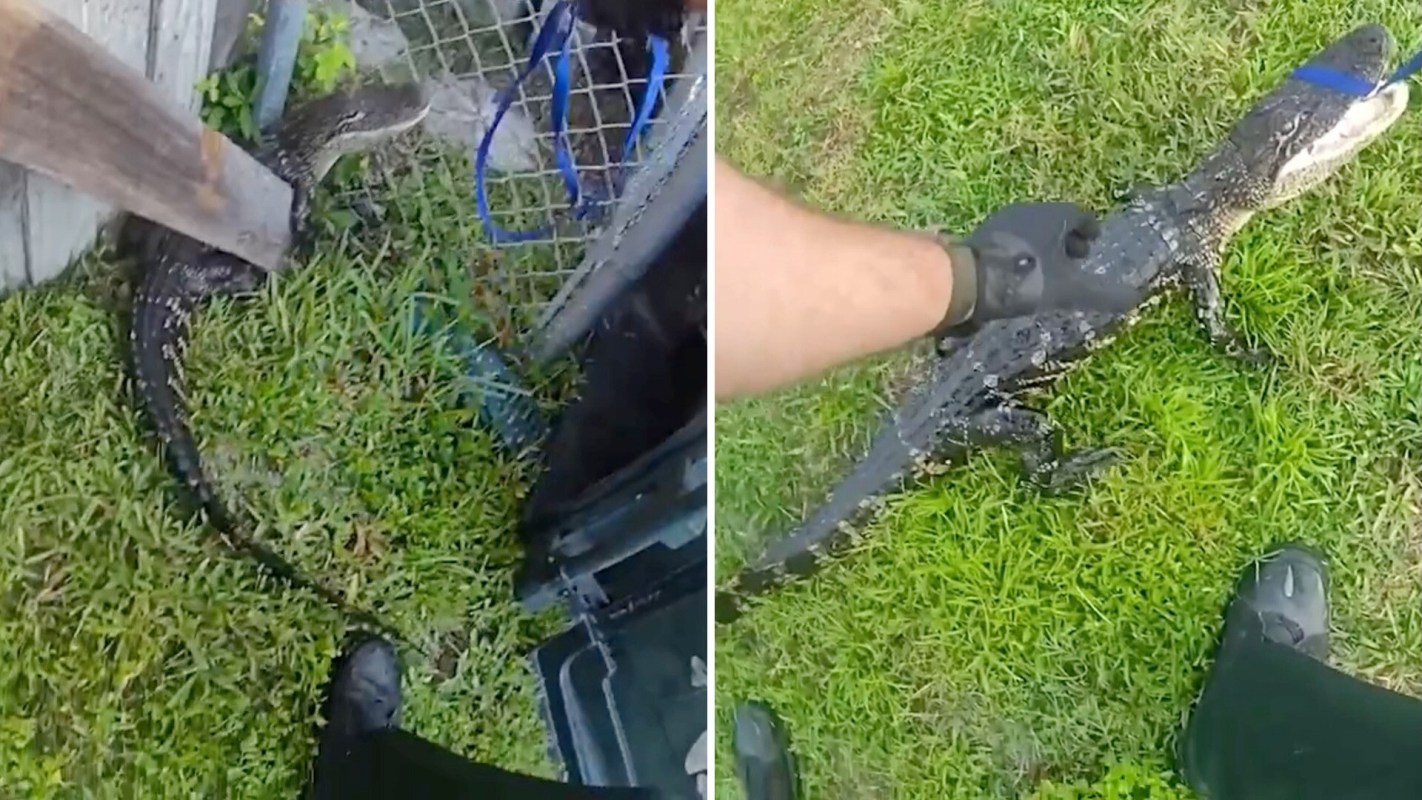
A Florida sheriff's deputy, who recently moved to the state from the Northeast, experienced a potentially dangerous scenario for the first time after he was called to handle a wild alligator that had wandered into a neighborhood.
Authorities explained the situation as a playful "rite of passage" in Florida, underscoring how often residents and wild animals now cross paths in the same environments.
What happened?
According to the Pinellas County Sheriff's Office, as WKMG reported, the deputy's first gator call luckily ended with the animal being returned to safer waters.
The deputy came from the Northeast, turning the incident into a memorable initiation to a problem Floridians know well.
The deputy reportedly relied on a leash, tape, patience, and help from nearby residents to safely capture the alligator and bring the unusual encounter under control.
The sheriff's office also posted body-camera footage from the call.
TCD Picks » Quince Spotlight
💡These best-sellers from Quince deliver affordable, sustainable luxury for all




The call reflects an everyday reality in Florida, where alligators are native and can show up in neighborhoods, roadways, drainage areas, and other places built close to water.
Why does it matter?
Alligators are powerful wild animals, and even a small mistake can put both people and the animal at risk.
A gator in the wrong place can injure someone, cause panic, or be harmed itself if bystanders try to step in.
There is also a broader human factor behind these incidents. In a state lined with canals, retention ponds, golf courses, and fast-growing neighborhoods, people have created more overlap with alligator habitat.
What's being done?
The response in this case was quick: with help from nearby residents, the deputy secured the alligator and moved it away from danger.
The incident also served as a broader safety reminder from the sheriff's office: if an alligator seems stuck or threatening, people should call trained professionals instead of trying to move, feed, or corner it themselves.
Prevention and maintaining a safe distance are the best ways to avoid dangerous wildlife encounters.
In areas where alligators or other potentially dangerous animals live, keep pets on a leash, avoid walking too close to the water's edge, and never feed wild animals. These simple steps help protect both people and wildlife.
Those steps can help protect people while reducing stress on wildlife. They can also prevent situations in which animals become habituated to human spaces and need to be relocated more often.
Even with the sheriff's office treating the event lightly, its central point was serious.
"No matter the size, gators can be dangerous," the office wrote, as cited by WKMG.

Get TCD's free newsletters for easy tips, smart advice, and a chance to earn $5,000 toward home upgrades. To see more stories like this one, change your Google preferences here.







