


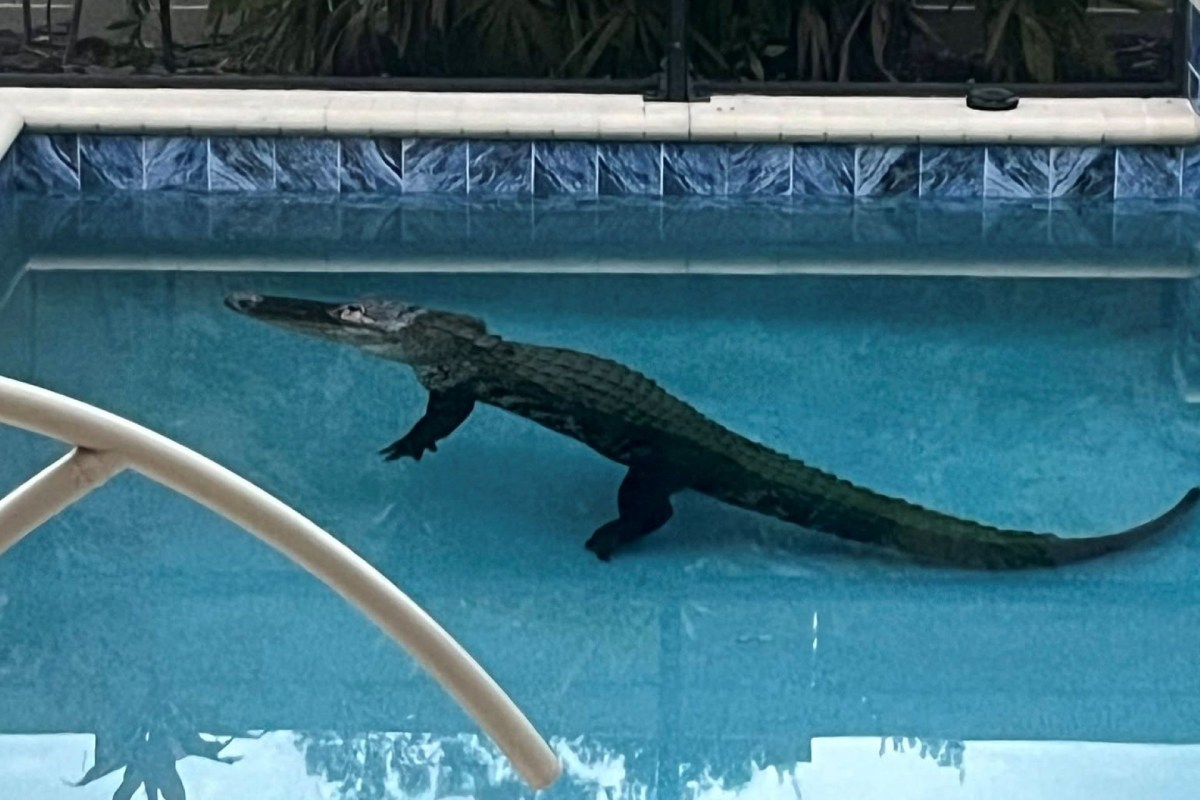
A Ring camera recorded a massive alligator this week smashing through a screened enclosure and sliding into a Florida homeowner's backyard pool, turning the footage into a jolting wake-up call.
The early-morning scene was dramatic on its own, but it also reflects the reality that in fast-growing urban areas across Florida, people and wildlife are increasingly sharing the same spaces.
What happened?
According to WWSB, a 9-foot-4-inch alligator appeared in a home's pool area in the Toscana Isles community of Venice, Florida, at about 5:45 a.m. Wednesday, alarming the resident.
The outlet shared an image of the massive reptile along the side of the road near the home.
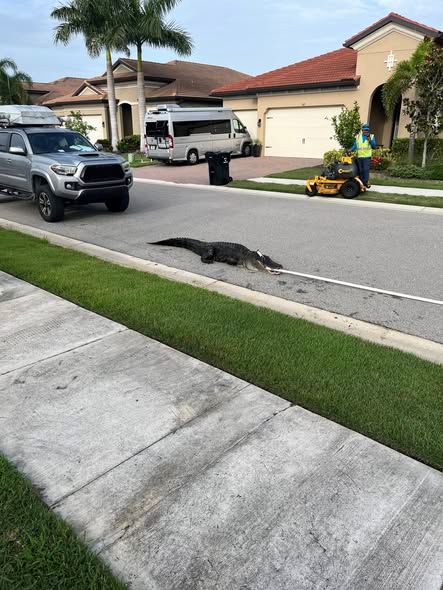
WWSB reported that a trapper with the Florida Fish and Wildlife Conservation Commission's Statewide Nuisance Alligator Program later removed the animal safely after Venice police said it had broken through the home's screened enclosure and entered the pool.
Florida is currently in alligator nesting season, which generally runs from April through September. The FWC explained on its website that while mating typically takes place in May and June, female alligators generally build mound nests and lay eggs in late June or early July.
TCD Picks » Quince Spotlight
💡These best-sellers from Quince deliver affordable, sustainable luxury for all




This timeline means that sightings are more common this time of year, especially near ponds, canals, retention areas, and neighborhoods built close to wetlands and other natural habitats.
Why does it matter?
Backyard pools, stormwater ponds, and sprawling housing developments can border or overlap with places alligators have used for generations. Experts have also long noted that many wildlife encounters are at least partly shaped by human expansion into animal habitat, according to BBC Future.
But despite the growing overlap of land shared by our species, there are plenty of steps you can take to avoid interacting with alligators.
Keep pets leashed and away from shorelines, supervise children closely, and assume any nearby pond, canal, or lake could contain wildlife. Clearly, even barriers such as pool screens are not foolproof against a large, determined animal.
Encounters can also be dangerous for the animals. When wildlife wanders into heavily developed spaces, it often leads to removal, stress, or worse, another sign of how human-built environments can reshape natural behavior.

Get TCD's free newsletters for easy tips, smart advice, and a chance to earn $5,000 toward home upgrades. To see more stories like this one, change your Google preferences here.







