


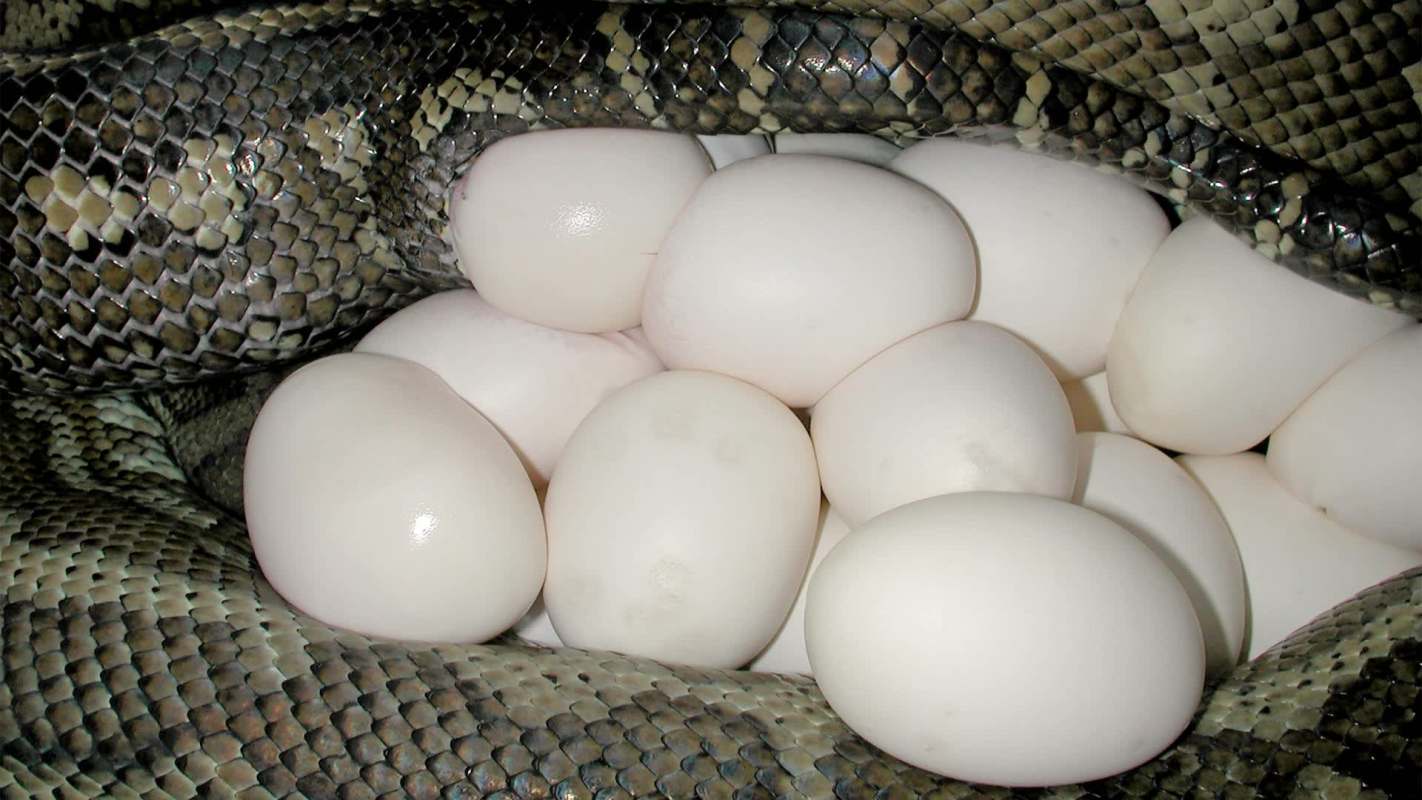
Florida's campaign against non-native Burmese pythons is drawing significant attention online after officials announced a new incentive. In addition to rewards for removing snakes, hunters can also be paid to remove nests and egg clutches from the environment.
What's happening?
According to the Naples Daily News, the update came in a Facebook post from the South Florida Water Management District, which outlined another way to slow the spread of a species that has been damaging the Everglades ecosystem.
The SFWMD recognized the winners of its May Python Elimination Program awards and noted that egg removals were part of the bonus structure.
The Daily News noted that a female Burmese python may carry scores of eggs in a single clutch, meaning that one nest removal can prevent many future snakes from hatching.
The post celebrated hunters in multiple prize categories, including Megan De Angelis, the overall winner for removing the most pythons with 81 captures, including a nesting female and 80 eggs. Donna Kalil removed the longest python, which measured 17 feet, 6 inches. Altogether, hunters eliminated 315 eggs.
Why does it matter?
Burmese pythons are a non-native species and have been linked to severe declines in native mammal populations in the Everglades. While removing one adult snake helps, removing a nest can stop an entire future generation from emerging.
TCD Picks » Quince Spotlight
💡These best-sellers from Quince deliver affordable, sustainable luxury for all




A healthy Everglades supports biodiversity, outdoor recreation, and the natural systems South Floridians rely on.
The state is also working to make the removal effort more accessible. The Fish and Wildlife Conservation Commission provides free public training through Python Patrol and, as the Daily News reported, runs virtual sessions on the third Thursday of each month. The classes explain how to look for pythons, catch them safely, and report sightings properly.
Compensation is limited to contracted participants and certain competitions.
What are people saying?
"Thank you to all of our python removal agents!" the district wrote. "Every invasive python and nest that is removed is making a difference to protect the Everglades and the region's native wildlife."
Commenters praised the hunters' efforts.
"Great job. Keep up your hard work!" one said.
"Awesome," another added. "Thanks to all of you for your hard work saving our Everglades."
"Can't have them over take Everglades ecosystem," a third stated.

Get TCD's free newsletters for easy tips, smart advice, and a chance to earn $5,000 toward home upgrades. To see more stories like this one, change your Google preferences here.







