


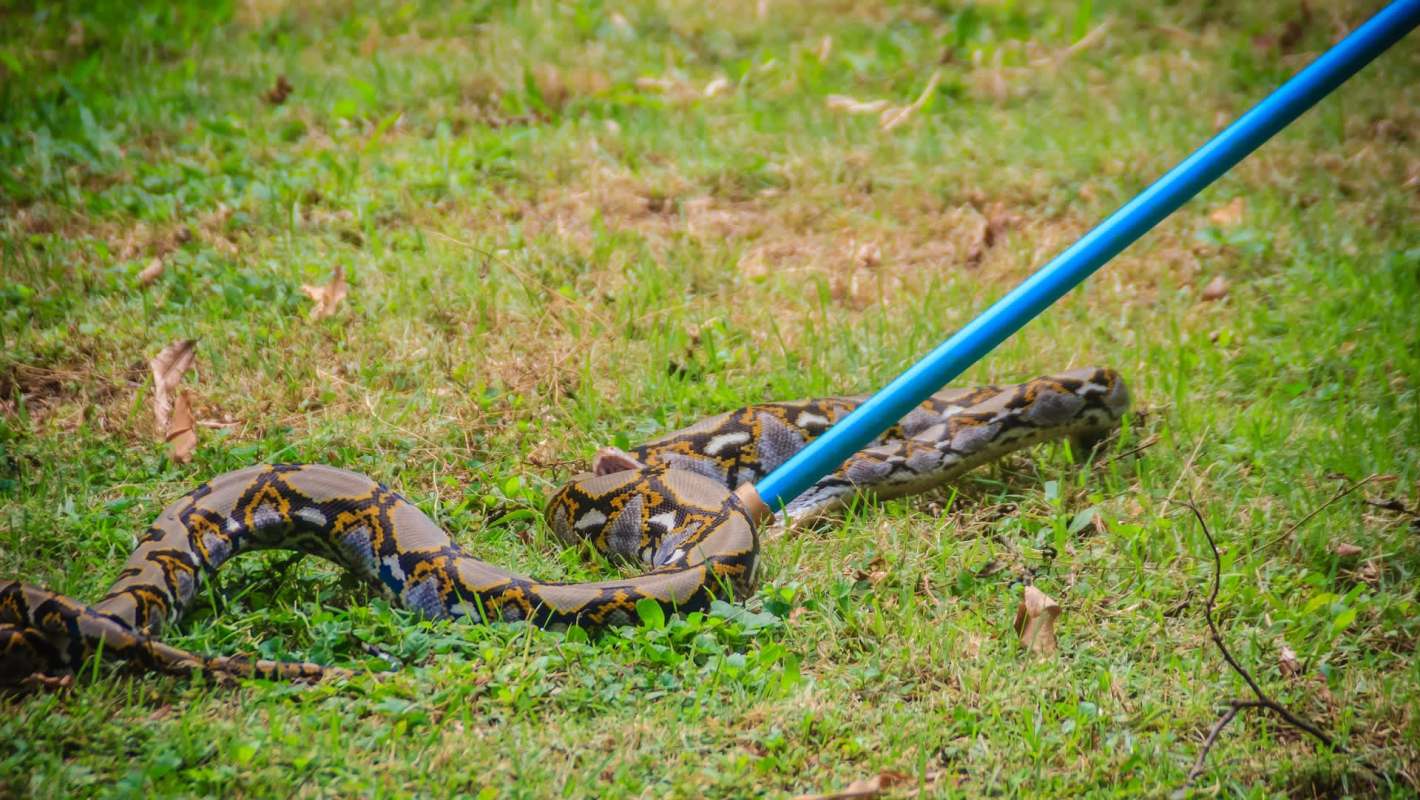
A Florida couple known for hunting invasive pythons through the state's python-removal incentive program is gaining attention online, but they say the job is far more demanding and less glamorous than many people assume.
The couple explained that what can seem like a lucrative job on paper in the Everglades often means 180-hour months, malfunctioning GPS units, and dragging enormous pythons through alligator-infested habitats.
What happened?
According to a report from Outdoor Life, Christina Kraus and Aaron Mann, who work as contractors in Florida's Python Elimination Program, removed 87 invasive pythons from the Everglades in July of last year, a new monthly record. Their catch included a confirmed nest with 33 hatchlings and a 14-foot, 92-pound Burmese python.
Contractors working for the South Florida Water Management District and the Florida Fish and Wildlife Conservation Commission are paid through a mix of hourly wages and capture bonuses. Depending on the hunting area, they earn $13, $18, or $30 per hour, with a daily limit of 10 hours. On top of that, they receive $50 for snakes up to 4 feet long, with $25 for each additional foot, plus $200 for a confirmed active nest, and a $1,000 monthly bonus for the top catcher.
Even with those rates, Kraus and Mann say the work is not nearly as straightforward as it may sound. Kraus said: "You maybe go out there 50 times and you don't see anything." Mann added that it is "definitely unrealistic" to expect that simply moving to Florida and catching pythons will provide a reliable living.
Why does it matter?
Burmese pythons have caused significant harm to Everglades wildlife, preying on small mammals, birds, bobcats, deer, and even vulnerable species such as the Florida panther. As a result, each python removed from the ecosystem represents one less invasive predator putting pressure on native wildlife populations.
TCD Picks » Quince Spotlight
💡These best-sellers from Quince deliver affordable, sustainable luxury for all




When ecosystems break down, the fallout can affect biodiversity, tourism, water systems, and the overall health of the landscapes that nearby communities depend on. Programs like this are essentially cleanup operations for a concerning environmental problem.
Actually catching the snakes requires grueling work. Kraus and Mann outfitted their truck with a raised 9-foot platform so they can scan roads at night, and they use a jon boat to move through canals inhabited by alligators. Another contractor, Taylor Stanberry, said she and her husband have put 100,000 miles on their Subaru over the last two years while hunting pythons.
While the financial incentive can be appealing, many python hunters say their primary motivation is to reduce the number of invasive snakes and help protect Florida's native wildlife from further ecological damage.
"In certain areas where their population hasn't grown as big, I have noticed more native wildlife coming out, so I do think it's working in certain areas but not everywhere," Stanberry told Outdoor Life. "But every python we get out is eating one less animal."

Get TCD's free newsletters for easy tips, smart advice, and a chance to earn $5,000 toward home upgrades. To see more stories like this one, change your Google preferences here.







