


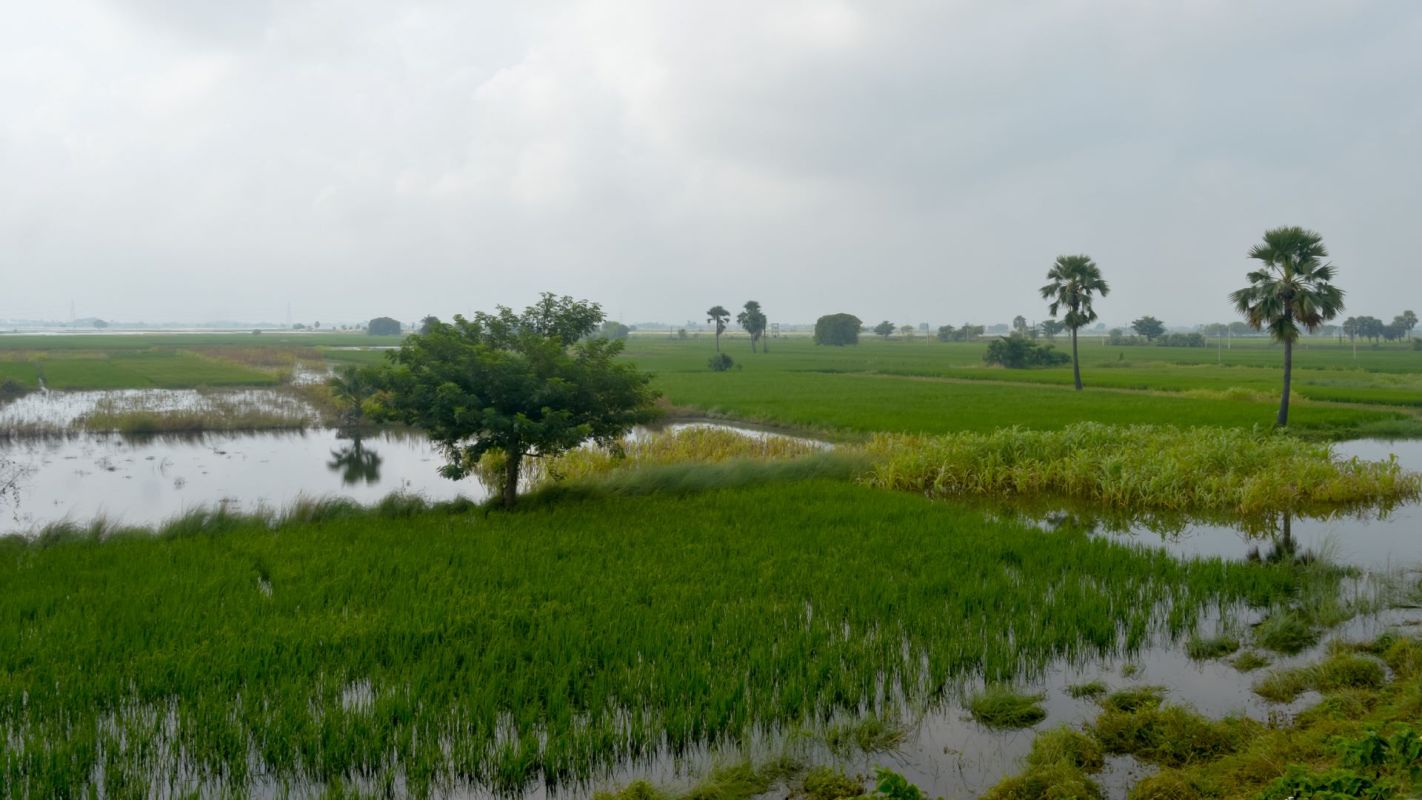
Heavy rainfall and extreme flooding have destroyed thousands of acres of farmland in northern India. Farmers are bearing the brunt of it, as the rainwater wiped out existing harvests and is now preventing the growth of the next crop.
What's happening?
The Tribune reported that approximately 2,000 acres of agricultural land in Bhiwani, India, have been flooded with rainwater for five months. Water of up to two feet deep has been sitting on the farmers' fields, unable to recede. According to local farmers, authorities have been slow to respond to the floods.
As a result of the intense rainfall, farmers in the area not only lost kharif crops (foods sown during June and July) but also were unable to sow rabi crops (foods sown during the winter months). Cotton crops were among the water-damaged kharif harvests, as the floods prevented farmers from picking the cotton balls.
Despite insuring their crops, farmers have yet to receive any compensation, exacerbating the financial strain.
"It is a double blow to us as the kharif crop has been completely destroyed, and rabi sowing has also become impossible," farmer Vinod Tanwar told the Tribune. "In such circumstances, how will the farmers manage to sustain and support their families?"
Why are flooded crop lands in Bhiwani important?
Across the globe, farmers are facing intensifying weather events as global temperatures rise. As countries and companies continue to rely on dirty fuels, they release harmful gases into the atmosphere that cause more intense droughts, floods, and storms around the world.
Extreme weather has destroyed entire harvests, causing farmers to bear the financial loss first and consumers to eventually feel it too, with produce prices skyrocketing as a result. The waterlogged fields in Bhiwani are another example of how extreme weather is jeopardizing our food supply.
What's being done about the impact of extreme weather on the agricultural industry?
According to the Tribune, the government set up a compensation portal for farmers to submit insurance claims and register their losses. However, farmers in Bhiwani have yet to receive any compensation relief.
Transitioning to clean energy is essential for protecting the global food supply and safeguarding harvests from extreme weather events. By switching to renewable energy sources, such as wind and solar, countries can combat pollution while protecting communities from more powerful and frequent storms.
|
What's the most you'd pay per month to put solar panels on your roof if there was no down payment?
Click your choice to see results and speak your mind. |
 $200 or more 💰
Get TCD's free newsletters for easy tips to save more, waste less, and make smarter choices — and earn up to $5,000 toward clean upgrades in TCD's exclusive Rewards Club.
TCD Picks » Quince Spotlight
💡These best-sellers from Quince deliver affordable, sustainable luxury for all




Cool Picks






