


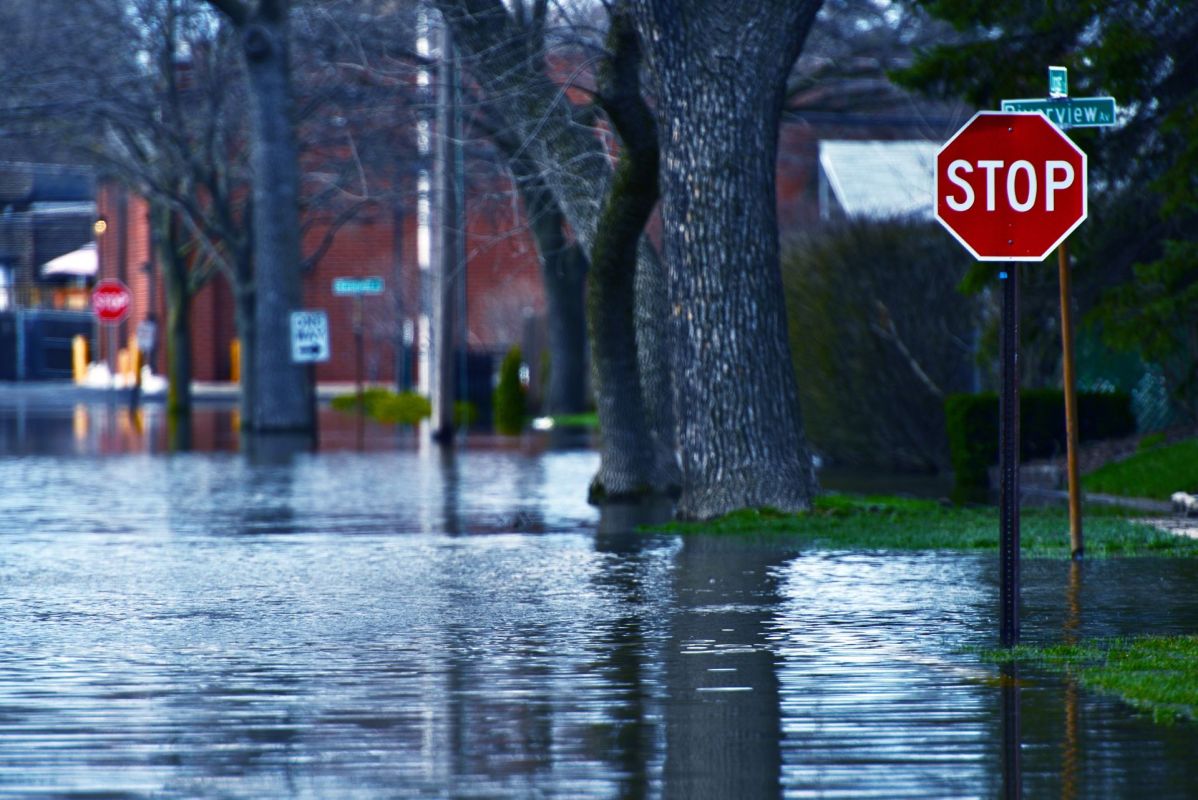
As a storm affecting multiple states moved through the Northeast on July 29, flooding overwhelmed parts of eastern New York, covered roadways, trapped drivers, and prompted emergency rescues.
The rain began easing overnight, but the flood risk lingered, and disruptions were mounting at some of the region's busiest airports and rail lines.
What happened?
After drenching New Jersey and Pennsylvania the day before, the slow-moving storm soaked eastern New York, CNN reported. Several communities in the state recorded more than 7 inches of rain, and Schodack got nearly 12 inches — more than double its usual rainfall for the entire month of July.
Since July 28, Albany International Airport has picked up about 6.7 inches of rain, setting a record two-day rainfall total for Albany. The flooding led multiple counties in eastern New York to declare states of emergency, and swiftwater teams were deployed as crews used boats and heavy equipment to reach stranded residents.
The flooding was also deadly. In New Jersey, officials said a 10-year-old boy's body was recovered Wednesday after he and a 10-year-old girl were caught in the swollen Passaic River. The search for the 10-year-old girl was still ongoing, and an 11-year-old girl, who is the boy's sister, was able to escape. The 10-year-old girl was found dead Friday, WABC reported.
Transportation across the Northeast corridor was also severely disrupted. More than 200 flights were canceled Wednesday at LaGuardia, JFK, and Newark, while Boston Logan had more than 70 cancellations and hundreds of delays. Amtrak also halted service between New York City and Albany.
TCD Picks » Quince Spotlight
💡These best-sellers from Quince deliver affordable, sustainable luxury for all




Why does it matter?
Flash flooding is among the most dangerous forms of extreme weather because it can overwhelm neighborhoods, roads, and waterways within minutes. Submerged cars, flooded homes, and emergency evacuations accompanied the flooding in New York.
These disasters also carry major economic consequences. Closed roads can cut off communities and delay emergency response, canceled flights disrupt work and family travel, and flooded homes can leave residents facing costly repairs, lost belongings, and displacement. When delivery vehicles, rail service, and local businesses are also affected, the damage extends far beyond the hardest-hit areas.
Even after the rain begins to weaken, the danger can remain. Rivers stay elevated, saturated ground can worsen runoff, and another round of heavy rain can quickly trigger fresh flooding in places already overwhelmed.
What's being done?
As floodwaters continued to rise, emergency crews across New York stayed in response mode. State swiftwater rescue teams were sent to hard-hit areas, and local departments evacuated people from homes and vehicles. In Coeymans, responders helped two adults and two children out of flooded homes, while in Putnam County, a front-end loader was used to reach a family surrounded by water.
Nearly two dozen roads were closed in Columbia County, where firefighters were pumping water from flooded homes. In Chatham, CNN reported, first responders rescued a U.S. Postal Service mail carrier after the delivery truck became stuck in high water.
Avoid driving through water-covered roads, monitor local emergency alerts, and be prepared to move quickly if officials issue evacuation orders. Even shallow floodwater can stall a car, hide debris, or sweep people off their feet.
People in flood-prone areas should keep weather alerts turned on through their phones, local emergency systems, or weather radios. Check forecast updates before commuting, heading to the airport, or making other travel plans.
If you live in a basement apartment or low-lying neighborhood, make sure drains are clear, charge devices ahead of time, and be prepared to move valuables and important documents quickly.
Amtrak said trains between New York City and Albany were canceled because of "high water and debris on tracks from recent storms."

Get TCD's free newsletters for easy tips, smart advice, and a chance to earn $5,000 toward home upgrades. To see more stories like this one, change your Google preferences here.







