


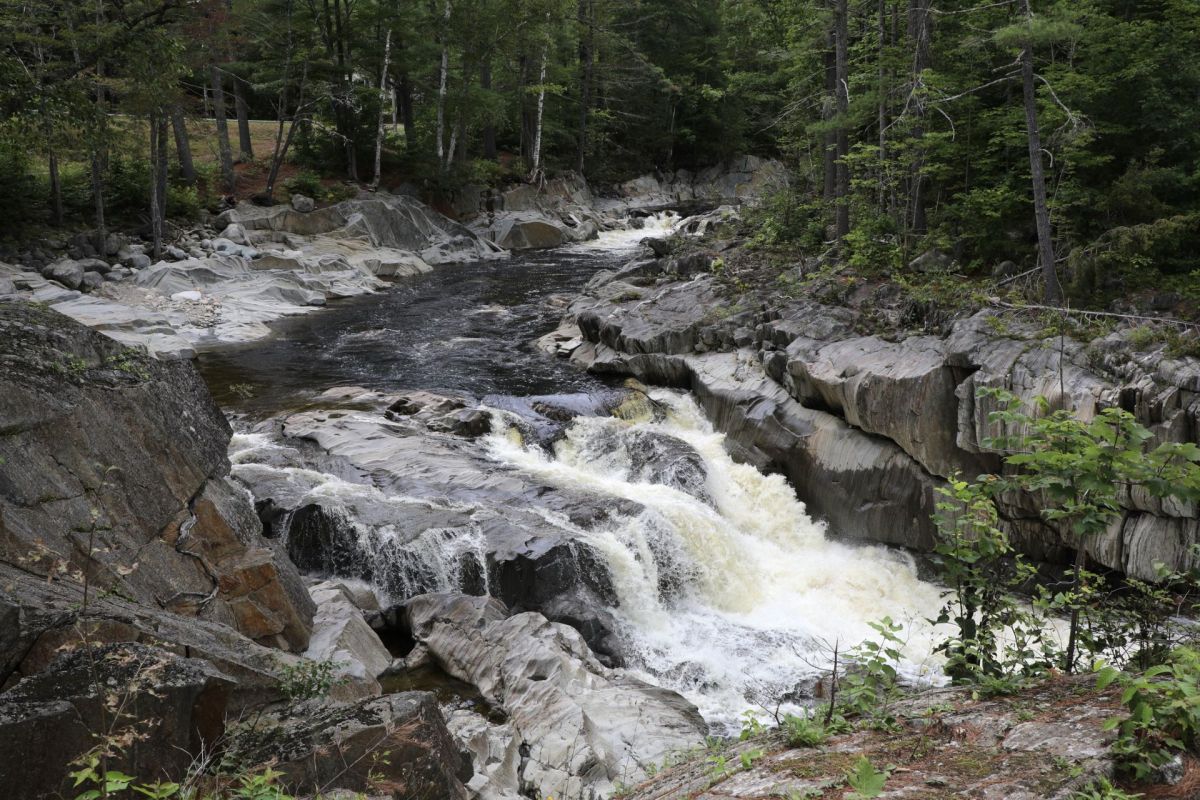
Flash droughts in New England have researchers worried about the impacts on food and water supplies.
What's happening?
By early November, drought conditions were affecting 82% of New England, according to Inside Climate News. Vermont and New Hampshire were both facing their most widespread extreme droughts since the U.S. Drought Monitor began 25 years ago. Maine was also facing its largest extreme drought since 2000.
New England's climate is traditionally wet, according to the reporting, with warm-to-hot summers and freezing winters. Yet Inside Climate News reported that scientists are concerned that flash droughts will become a regular occurrence. Four flash droughts have impacted the region since 2020.
"They are hard to prepare for because they can develop into a severe drought within a month," Zeyu Xue, a drought expert, told Inside Climate News.
Flash droughts are reportedly faster and more unpredictable than traditional droughts. Per Inside Climate News, Xue said that agricultural production and grasslands will be most affected by the dry conditions.
Why are droughts concerning?
Many extreme weather events, including droughts, are more intense and happening more frequently due to global temperature increases. Human activities, such as burning fossil fuels, contribute to rising temperatures and shifting weather patterns. Although extreme weather events are nothing new, they are intensified by rising temperatures.
The risk of wildfires increases with droughts, putting millions of people at risk. In 2024, 48 states faced drought conditions with nearly 9 million acres burned by wildfires, according to Earth.org.
The dry weather can also lead to loss of water supply due to reduced river flow and lake levels, per an article from Earth-Science Reviews posted by ScienceDirect. The quality of freshwater systems can suffer, which can negatively impact agricultural production.
Drought and high temperatures can contribute to the spread of pests and diseases that take a toll on crops and livestock, according to the National Integrated Drought Information System website. There's a significant economic impact with the threat of crop failure and pasture losses too.
What's being done about droughts?
Conserving water can help reduce the environmental impact of droughts. Per Environment California, lawn and garden maintenance is responsible for nearly 60% of a person's household water footprint.
TCD Picks » Quince Spotlight
💡These best-sellers from Quince deliver affordable, sustainable luxury for all




|
Are you thinking about installing solar panels in the near future? Click your choice to see results and speak your mind. |
 Yes 👍
Yes 👍 If you're looking for a way to reduce your water consumption, upgrading to a natural lawn that requires less maintenance is a great way to be environmentally conscious while also saving money.
Small changes like turning the water off when brushing your teeth or taking shorter showers can also help conserve water. Learning about droughts and critical climate issues can help you determine other steps you can take to protect the planet as well.

💰Get TCD's free newsletters for easy tips to save more, waste less, and make smarter choices — and earn up to $5,000 toward clean upgrades in TCD's exclusive Rewards Club.
Cool Picks






