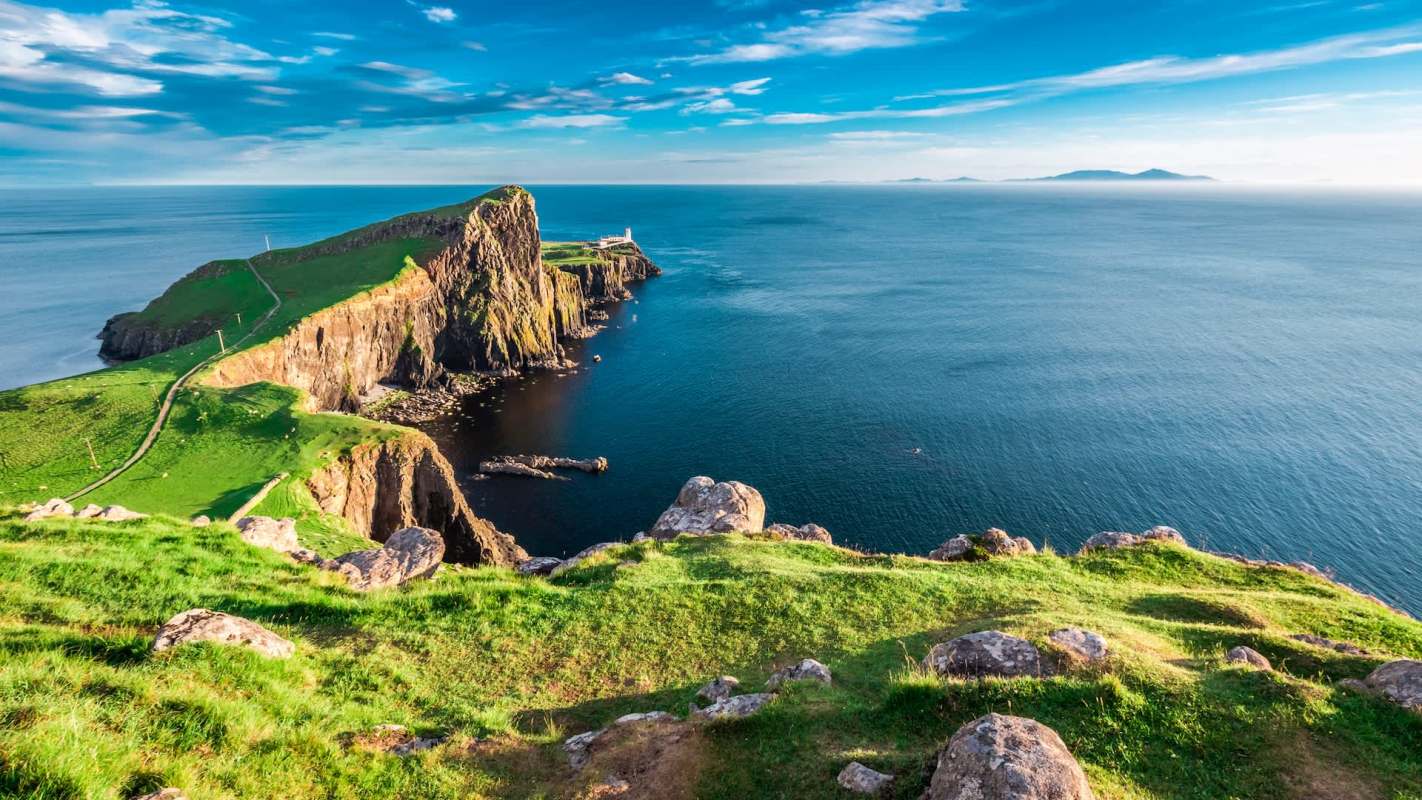
A resurgence of a critically endangered marine species in Scotland has validated conservation efforts and given hope for the future.
According to The Scotsman, a Heriot-Watt University study found a significant increase in flapper skate numbers based on data collected from local fishers.
The comeback of flapper skate — the world's largest species of skate and a member of the shark family — is a relief after their drastic decline in the United Kingdom over the last century. Overfishing, combined with their late maturity, made them especially vulnerable.
To mitigate bycatch, it was declared illegal in 2009 to land flapper skates commercially in all of Scotland, requiring fishers to return them to the water quickly and unharmed.
Increased regulation of protection efforts, both for the species and their eggs, in marine protected areas such as Loch Sunart to the Sound of Jura, as well as Red Rocks and Longay, has helped the mission, per the Scotsman.
The collaborative efforts of the fishing industry and research teams have paid off, with many fishers reporting daily sightings over the past four years — particularly on the west coast of Scotland.
TCD Picks » Good Store Spotlight
Get 10% off your next purchase with code TCD10




NatureScot's shark, ray, skate specialist, Jane Dodd, told the publication, "This is exciting and promising news, with the current evidence showing a trend for flapper skate recovery."
"It's also been really rewarding to hear the experiences of the fishers … Their views have been invaluable, adding to the growing body of information on flapper skate."
Professor Michel Kaiser of Heriot-Watt University was equally pleased with the fishing industry's willingness to collaborate in the study.
"Looking ahead, we hope to convene an industry focused workshop to get the benefit of fishermen's practical insights," he said.
TCD Picks » Quince Spotlight
💡These best-sellers from Quince deliver affordable, sustainable luxury for all




|
What's the most you'd pay per month to put solar panels on your roof if there was no down payment?
Click your choice to see results and speak your mind. |
 $200 or more 💰
 A threat to any animal endangers human survival, as the ecological benefits they possess are critical to life on Earth. The conservation and protection of all species is vital to biodiversity and preserving the delicate balance that ecosystems require. Efforts around the globe are proving that it's not only necessary, but effective.
For example, fritillary butterflies, a rare species, were reintroduced by conservationists to the Welsh countryside. Elsewhere, state and federal protections in California have helped double the gray wolf population, marking the species' most significant boost in numbers in the last century.
In Cambodia, 13 years of working to reverse population loss due to habitat destruction, poaching, and crossbreeding have helped revive the siamese crocodile.
Species need to be able to thrive in their native environments and, unfortunately, human activity has made that difficult.
It can feel overwhelming, but supporting groups and organizations that align with your values can be incredibly empowering. Volunteer opportunities are equally rewarding and will help better your local community and environment.
Those in Scotland can help conserve and track flapper skate by capturing photos of any sightings and uploading them to the Skaterspotter app.
"The research is a bright point, but flapper skate are just beginning their recovery — they may now be common again in some areas, but they are far from restored to their historical range," Dodd observed.

Get TCD's free newsletters for easy tips to save more, waste less, and make smarter choices — and earn up to $5,000 toward clean upgrades in TCD's exclusive Rewards Club.