


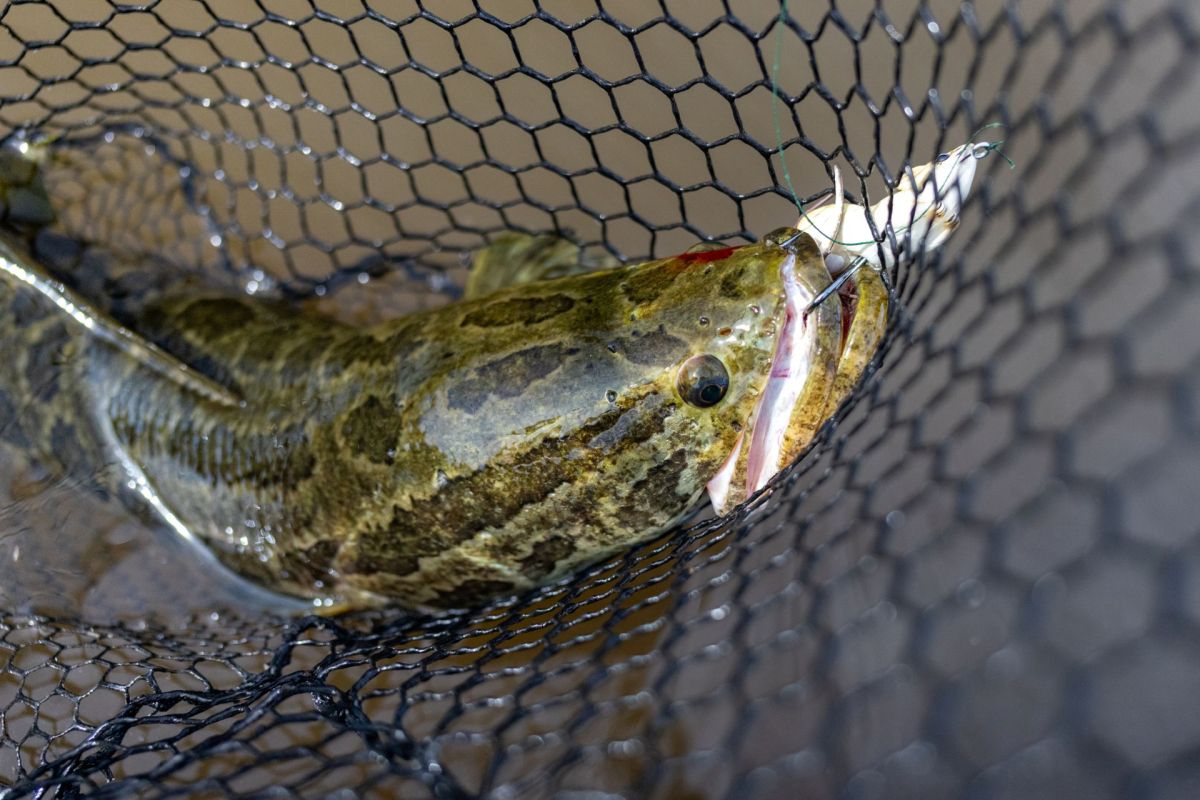
Fishers in Maryland are heading onto the Potomac after dark with an unusual goal: shooting invasive "Frankenfish" with compound bows before the predators spread even farther.
The effort is part sport, part conservation strategy, as officials look for faster ways to protect native fish and local waterways.
According to a recent report from The New York Times, northern snakeheads, a fish native to the Yangtze River Basin in China, have become firmly established in the Chesapeake Bay region after first showing up in the region in 2002.
The species can grow to about 3 feet long, weigh nearly 20 pounds, survive out of water for up to four days, and even wriggle over land to reach new habitats.
Snakeheads are aggressive predators that can displace native species and create headaches for fishery managers and communities that rely on healthy waterways for recreation and food.
To help curb the invasion, Maryland is promoting bowfishing as a key management tool. On nighttime excursions through shallow Potomac River tributaries, guides such as Bill Bates lead anglers in targeting snakeheads with high-powered compound bows — a method that, according to The Times, can be more effective than traditional rod-and-reel fishing for removing large numbers of the invasive fish.
TCD Picks » Quince Spotlight
💡These best-sellers from Quince deliver affordable, sustainable luxury for all




A recent peer-reviewed study by Maryland fisheries biologist Joseph Love found bow fishing may push overall snakehead deaths to roughly 25% — enough to start reversing population growth in the Chesapeake Bay and Potomac River.
Experts also say climate change is making the problem worse. Warmer waters, shorter winters, and heavier rainfall are helping snakeheads spread farther, with fish moving into new habitats through rain-swollen creeks.
The fish also reproduce over an extended season, and females may produce up to 50,000 eggs twice a year, as the Times noted.
Damaged fisheries can affect local jobs, restaurant supply chains, and outdoor traditions.
Since eradication is no longer realistic in the Mid-Atlantic, officials are focusing on control. Federal crews have used electrofishing to cull snakeheads across the Chesapeake Bay watershed, removing about 1,200 fish from 2023 to 2025.
But the program has been scaled back this year because of staffing cuts.
Maryland has also launched a reward program to get more anglers involved. Some snakeheads carry blue tags attached by wildlife officials worth $200 and yellow tags worth $10, with fishers paid after reporting that the fish was killed.
The state has distributed $17,000 through the program using federal funds.
There's also an effort to build consumer demand. In 2024, Maryland lawmakers gave the fish the official name "Chesapeake Channa" to make it more appealing on menus.
Some restaurants now serve it as a local seafood option, and advocates say creating a market for the fish could help reduce pressure on native species while supporting local businesses.

Get TCD's free newsletters for easy tips, smart advice, and a chance to earn $5,000 toward home upgrades. To see more stories like this one, change your Google preferences here.







