


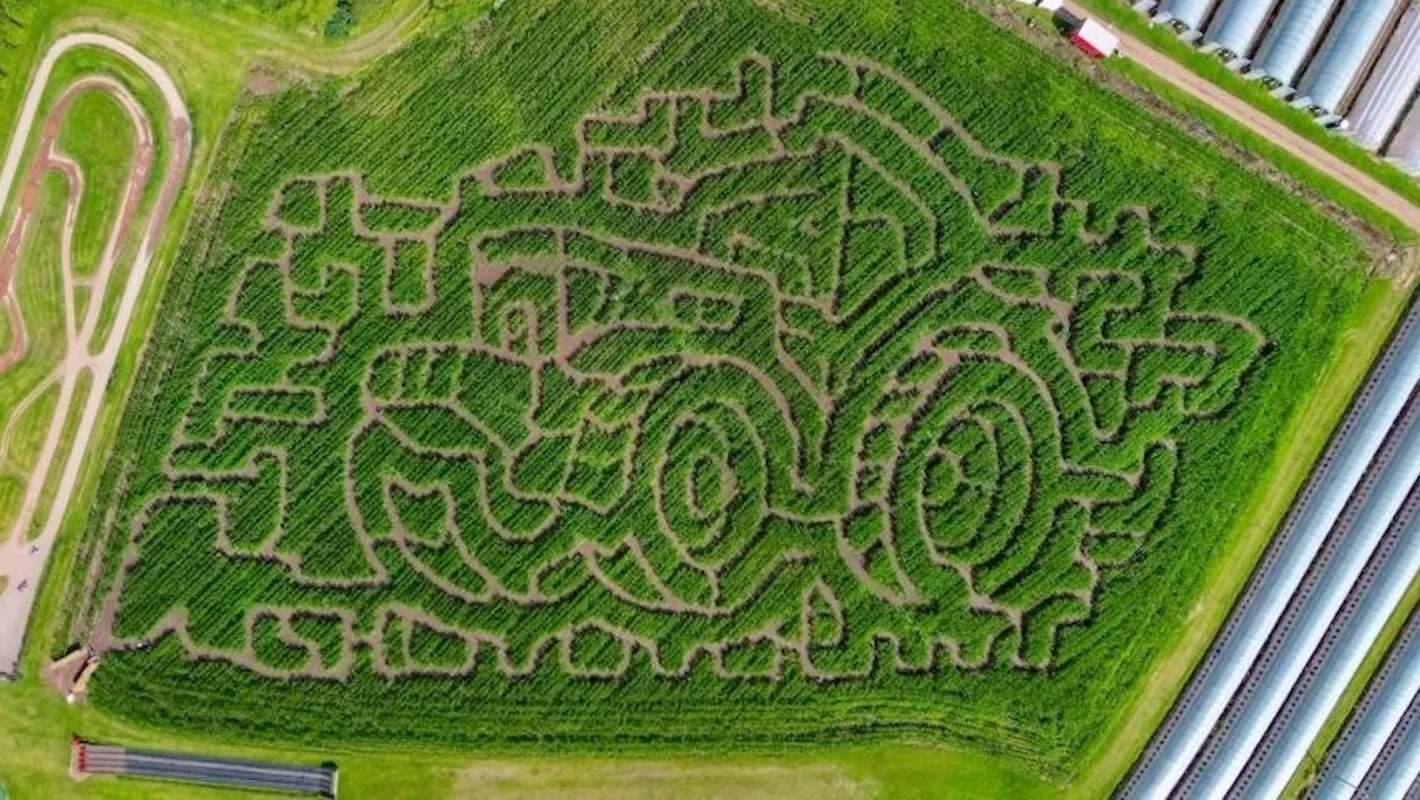
A farm in Scotland is turning a summer attraction into a giant thank-you note to one of nature's hardest workers: the bee.
Drone images reveal that Cairnie Fruit Farm's latest "mega maze" stretches across six acres and has a bee-and-flower pattern that spreads over about three soccer fields, Talker News reported.
What happened?
Every summer, Cairnie Fruit Farm in Cupar, Fife, creates a giant maze, and this year's version is meant to send a message about pollinators.
The design was chosen to honor bees and other pollinating species that help the farm's crops thrive.
According to Talker News, the attraction covers six acres, and the maize hedges, now about 5 feet tall, are expected to grow to roughly 8 feet later in the season.
Each May, gardeners use GPS trackers to map out the pattern, and tractors follow by planting the maize in sets of four rows. That mix of planning and farm technology helps turn a working field into a detailed seasonal attraction.
TCD Picks » Quince Spotlight
💡These best-sellers from Quince deliver affordable, sustainable luxury for all




Past maze designs have included animals and fictional characters like turtles, hedgehogs, Darth Vader, and the BFG.
Visitors are expected to be able to explore the bee-and-flowers maze until late October. Harvesting will happen then, and the farm will shift its attention to next year's design.
Why does it matter?
The design honors pollinators that support the growth of fruits and other crops.
GPS-guided planning can make field design more precise and efficient, reducing guesswork for farmers while creating new ways to attract visitors and diversify farm income.
Attractions like this can also offer a way to spend time outdoors, learn where food comes from, and connect with local agriculture.
What's being done?
Cairnie Fruit Farm is continuing an approach that blends agriculture, creativity, and precision tools. By changing the maze design every year, the farm keeps the experience fresh while creating something that's educational and immersive.
People can do their part by planting pollinator-friendly flowers, avoiding unnecessary pesticides in gardens, and buying produce from local growers when possible.
Choosing more fruits, vegetables, and other plant-based foods can also reinforce demand for the kinds of crops that depend on thriving ecosystems.

Get TCD's free newsletters for easy tips, smart advice, and a chance to earn $5,000 toward home upgrades. To see more stories like this one, change your Google preferences here.







