


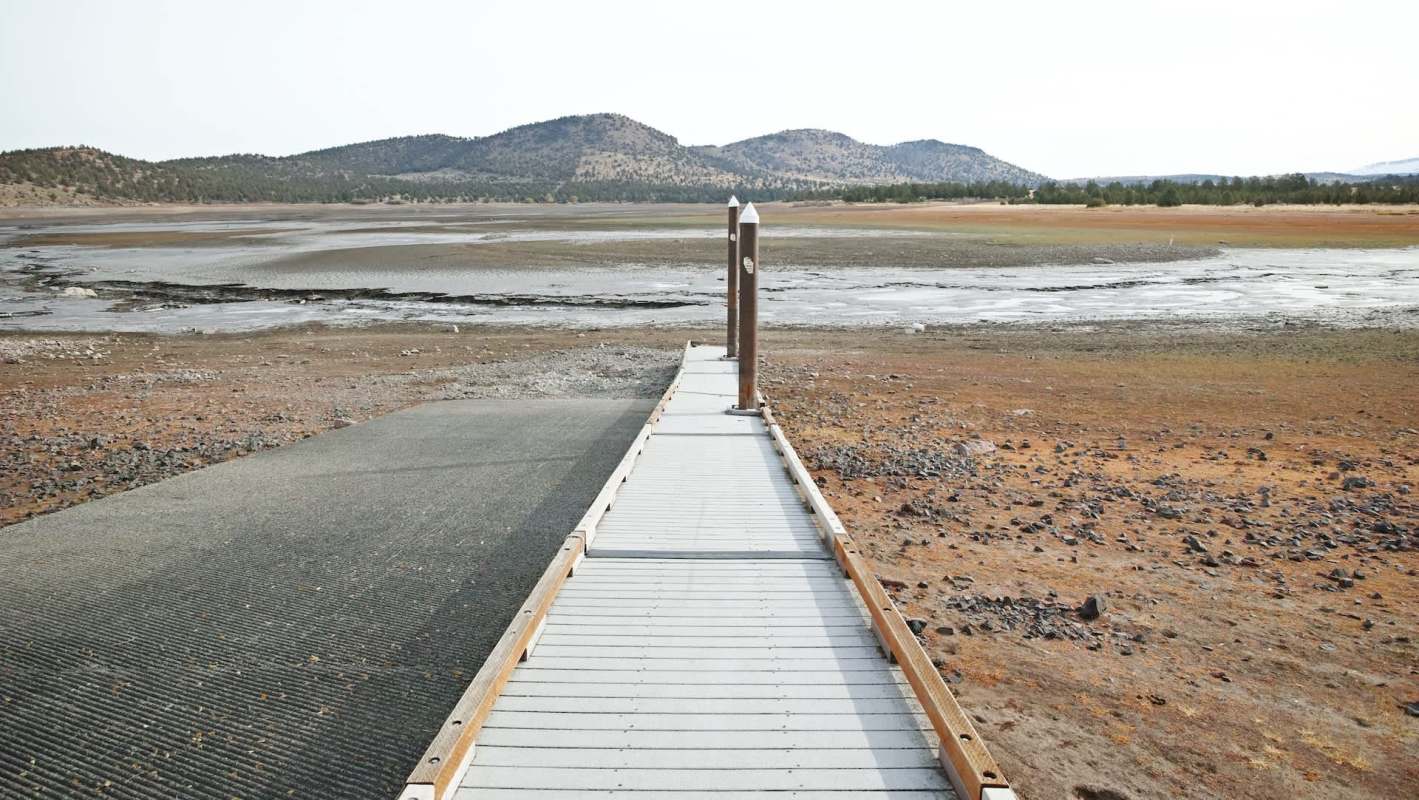
A historically warm winter has left parts of Oregon's Willamette Valley with little to no snowpack, and federal water managers are now rethinking how they will operate 13 reservoirs before summer really kicks in.
The U.S. Army Corps of Engineers' Portland District says the lack of snowmelt is already reshaping the region's water outlook as drought conditions worsen.
What's happening?
During a May 19 online town hall, Army Corps staff said they are closely monitoring the Willamette Valley reservoir system because of this year's weak snowpack, according to Oregon Public Broadcasting.
In a normal year, melting mountain snow helps feed rivers and reservoirs through the dry season. This year, officials said, there is far less natural runoff available, making it harder to balance several priorities at once: keeping hydroelectric dams high enough to support conservation and electricity production while also protecting temperatures in tributaries.
Salina Hart, chief of the Reservoir Regulation & Water Quality Section, described the situation as a "double-whammy."
"Not having snowpack means that those natural flows are much lower, so that means there's more storage that would be needed to offset that," Hart said. "But, then, because of those low conditions our storage is less, so it's kind of a double-whammy."
TCD Picks » Quince Spotlight
💡These best-sellers from Quince deliver affordable, sustainable luxury for all




The drought picture is already worsening. According to the U.S. Drought Monitor, nearly 3% of Oregon is now in extreme drought, with some of the hardest-hit areas near where Lane, Douglas, and Deschutes counties meet.
Why does it matter?
Low snowpack can affect drinking water planning, farming, fish habitat, electricity generation, and wildfire risk for months. Reservoirs in the Willamette system are used for hydropower and water quality management, so a weak snow year adds pressure to every part of that balancing act.
Hart said she does not currently expect shortages for drinking water or irrigation this summer. Lane and Douglas counties do not often see severe drought this early in the year.
Worsening extreme weather disasters can strain water supplies, increase heat and wildfire danger, damage crops, and drive up energy and infrastructure costs.
What's being done?
For now, the Army Corps is adjusting reservoir operations to stretch available water through the summer. That includes carefully managing releases so dams can keep generating power while also maintaining temperatures in tributaries.
Hart said this year could provide useful insight if shortages ever become an issue in the future.
Communities that rely on reservoirs, rivers, and irrigation systems are often affected first when winter snowpack disappears.

Get TCD's free newsletters for easy tips, smart advice, and a chance to earn $5,000 toward home upgrades. To see more stories like this one, change your Google preferences here.







