


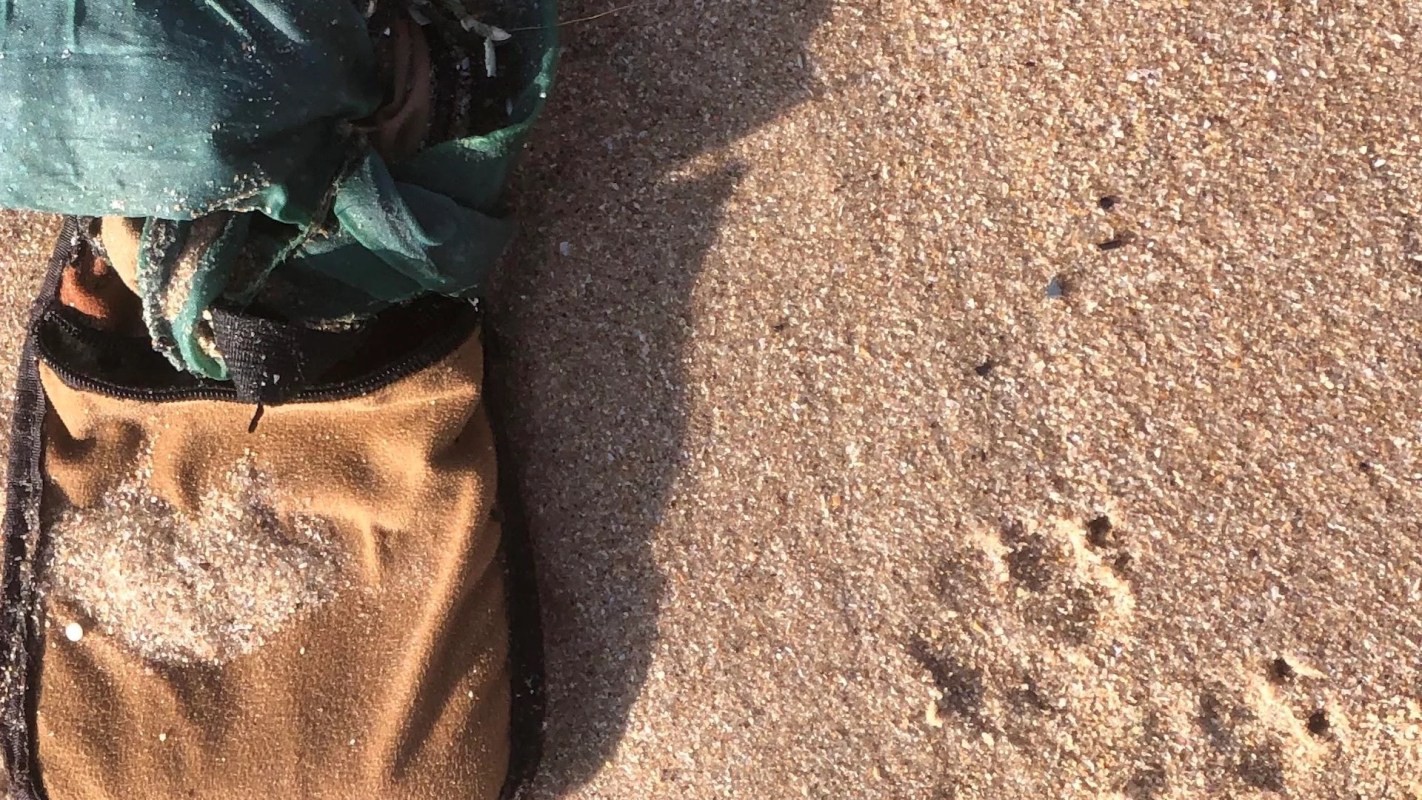
It is generally positive when gently-used clothing goes to secondhand stores to be resold rather than thrown in the trash.
But in Ghana, fast fashion dumping is causing a serious problem on the local beaches.

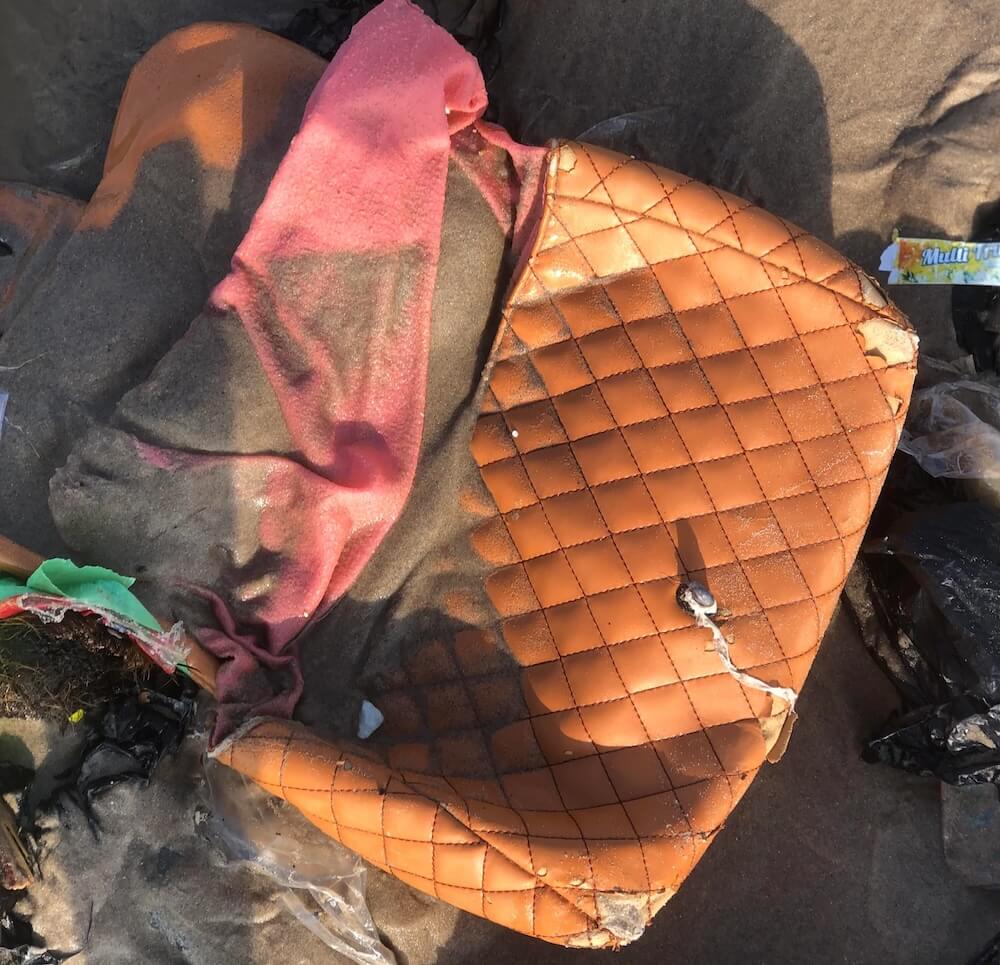
In a Reddit post to r/ZeroWaste, one beachgoer discovered piles of unwanted secondhand clothes discarded along the shore in Ghana's capital city of Accra.
"Roughly 15 million garments from Asia, America, and the EU flow to Kantamanto, a vast secondhand clothing market in Accra," the original poster explained. "Some of these clothes are so bad/stained with oil paints, and others are Western castoffs which don't get sold, so the waste eventually ends on our beaches after being discarded, rendering swimming impossible."
The OP asked r/ZeroWaste followers for advice on how this unfortunate situation could be better managed. One highlighted that it's clear that significant systemic changes are needed to address fast fashion dumping.
Clothing waste dominates landfills, and donated clothing from sustainability-minded consumers can find its way to other countries' trash piles.
Much of this clothing is unsellable in places like Ghana, where rejected fast fashion items are shipped in from overseas. In these places, synthetic materials decompose in makeshift dumpsites or are burned, contributing to soil, air, and water contamination.
Meanwhile, the number of manufactured garments is projected to exceed 200 billion by 2030, according to Greenpeace.
Individual actions can help turn this around, because using our purchasing power communicates to companies that environmentally damaging actions aren't in their best interests.
🗣️ Should it be illegal to throw away old clothes?
🔘 Heck yes 👍
🔘 No way 👎
🔘 I'm not sure 🤷
🔘 Only if it's free to recycle them 🤌
🗳️ Click your choice to see results and speak your mind
For instance, rejecting fast fashion in favor of thrifted clothing is an excellent way to reduce textile waste in landfills and on beaches. In addition to local thrift markets, ThredUP, Poshmark, and Depop are platforms offering pre-loved clothing as fast fashion alternatives.
TCD Picks » Quince Spotlight
💡These best-sellers from Quince deliver affordable, sustainable luxury for all




Meanwhile, environmentally conscious consumers on Reddit shared the OP's frustrations about the beaches becoming dumping grounds for secondhand clothes and also desired to help make an impact.
"Sadly, businesses have been set up to accept this stuff and then it goes unmanaged after the business owners disappear with the money," one Redditor wrote. "People just love to buy stuff and then dump it well before it's time."
"We need worldwide fashion regulation," a Reddit user suggested. "Until we do, nothing will change."
"This is a journey you take with a community, and don't expect immediate results," another Redditor pointed out.

Join our free newsletter for good news and useful tips, and don't miss this cool list of easy ways to help yourself while helping the planet.
Cool Picks






