


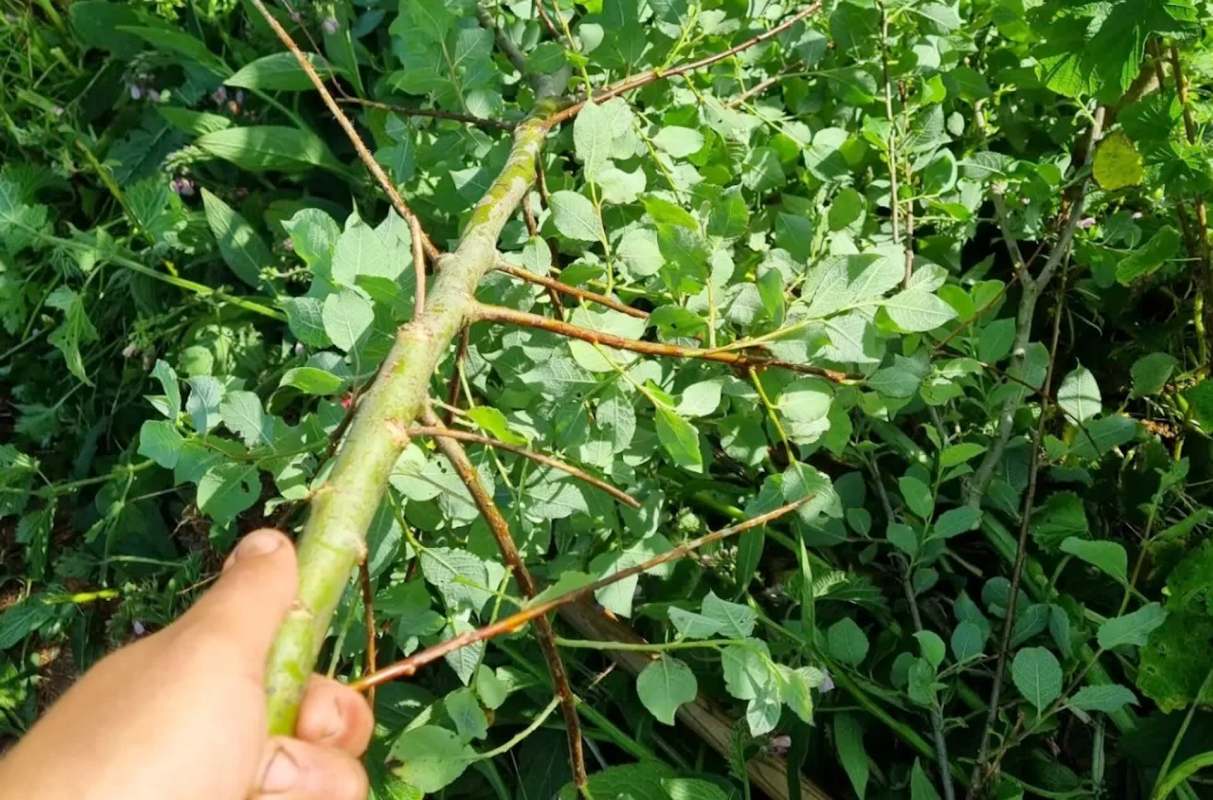
Birch Farm's six-year journey into agroforestry is showing how a simple shift in planting can help quickly grow abundant food while also creating a shaded habitat for animals and healthier soil for plants.
What's happening?
Joshua Sparkes, a content creator focused on agroforestry at Birch Farm, shared photos of the farm's tree-lined growing system on July 27, 2026.
In an Instagram post, Sparkes wrote, "It has been quite obvious to me after 6 years since we started agroforestry that syntropic inspired designs are the way to go when we want productive food forests quick."
The approach centers on densely planted, "syntropic-inspired" tree lines that the farm says help food forests become productive more quickly.
Rather than separating trees from edible crops, the farm uses mixed, layered rows. Sparkes said Birch Farm's lines include a wide variety of plants, crops and tasty berries, including "woody herbs, strawberries, and perennial veg," and that they generate "the biomass mulch that keeps the soil covered whilst also making great habitats."
Instagram users expressed excitement for this innovative gardening method. One user commented, "They look so lush and green."
TCD Picks » Quince Spotlight
💡These best-sellers from Quince deliver affordable, sustainable luxury for all




Why does it matter?
By adding shade and shelter, tree lines can create cooler and more protected growing spaces, which can be valuable as heat and drought stress crops. Sparkes said, "I've been especially grateful to them this year for the shade and much needed protection for our wildlife while also being fairly productive."
What can I do?
Home gardeners or small landowners can start small by planting layered beds, adding perennial edibles, or using shrubs and trees to create windbreaks, shade, and mulch.
Even a modest setup with fruit trees, berry plants, herbs, and ground cover can mimic some of the same benefits: healthier soil, less exposed ground, and more biodiversity. If growing food is part of the goal, choosing more plant-forward meals can also make those efforts go further; the TCD Guide's page on plant-based food options explores ideas.
Sparkes also noted that this style of growing is not effortless. "The pruning required is a big consideration as the labour commitment can be massive and something I massively underestimated in the beginning."
That makes planning, scale, and maintenance key considerations for anyone hoping to try it at home.
Sparkes said, "The speed and health of the system they create is bonkers." And, "Plus it's so beautiful to both look at and be in."

Get TCD's free newsletters for easy tips, smart advice, and a chance to earn $5,000 toward home upgrades. To see more stories like this one, change your Google preferences here.







