


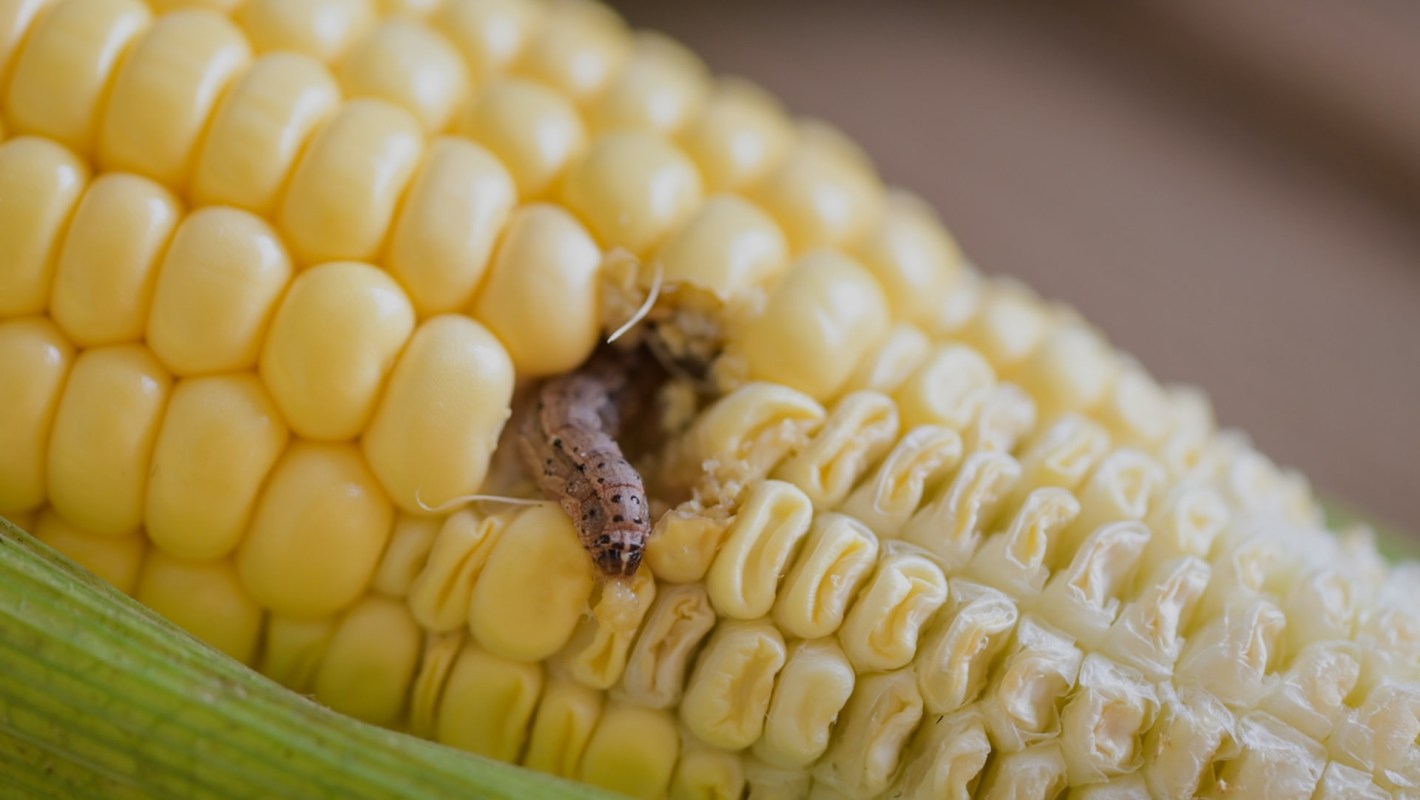
An invasive species damaging maize crops in Africa surfaced in 2016, but it did not cause as much damage as originally feared, according to a new study — and even better, the study found that the pest could be controlled without the use of toxic pesticides.
The fall armyworm, a type of moth, can devastate maize and rice crops when left unchecked. Governments spent millions of dollars on pesticides to stop its spread when it was discovered.
But the new study, from the Center for Tropical Forest Research and World Agroforestry (CIFOR-ICRAF), found that the impact of the armyworms wasn't nearly as bad as initially feared and that the pesticides were not necessary at all, causing more harm than good.
In large part, the armyworms were controlled by native predators such as bats and wasps. "Reports suggest that natural enemies can effectively control the pest under certain circumstances. For example, high proportions of [armyworm] larvae may be attacked by parasitoids in unsprayed fields … and significant mortality from fungal infections has been recorded," the study said.
The downsides of pesticides, according to the study, are that they expose farmers to high levels of toxic chemicals, kill off beneficial native insects in addition to the invasive ones, and require more and more spraying as time goes on, fostering a dependency instead of actually solving the problem.
The money spent on the pesticides could have been far better spent in any number of ways, according to the study. "The investment in these smallholder farmers should be on improving their farming systems and getting their yields up," Rhett Harrison, the landscape ecologist at CIFOR-ICRAF who authored the study, said. "And this pest is part of the system but it's not the main problem in the system."
Hopefully, this new research will prevent governments from turning to pesticides as a knee-jerk first response to pest problems in the future, resulting in healthier crops and humans alike.

Join our free newsletter for cool news and cool tips that make it easy to help yourself while helping the planet.
Cool Picks




