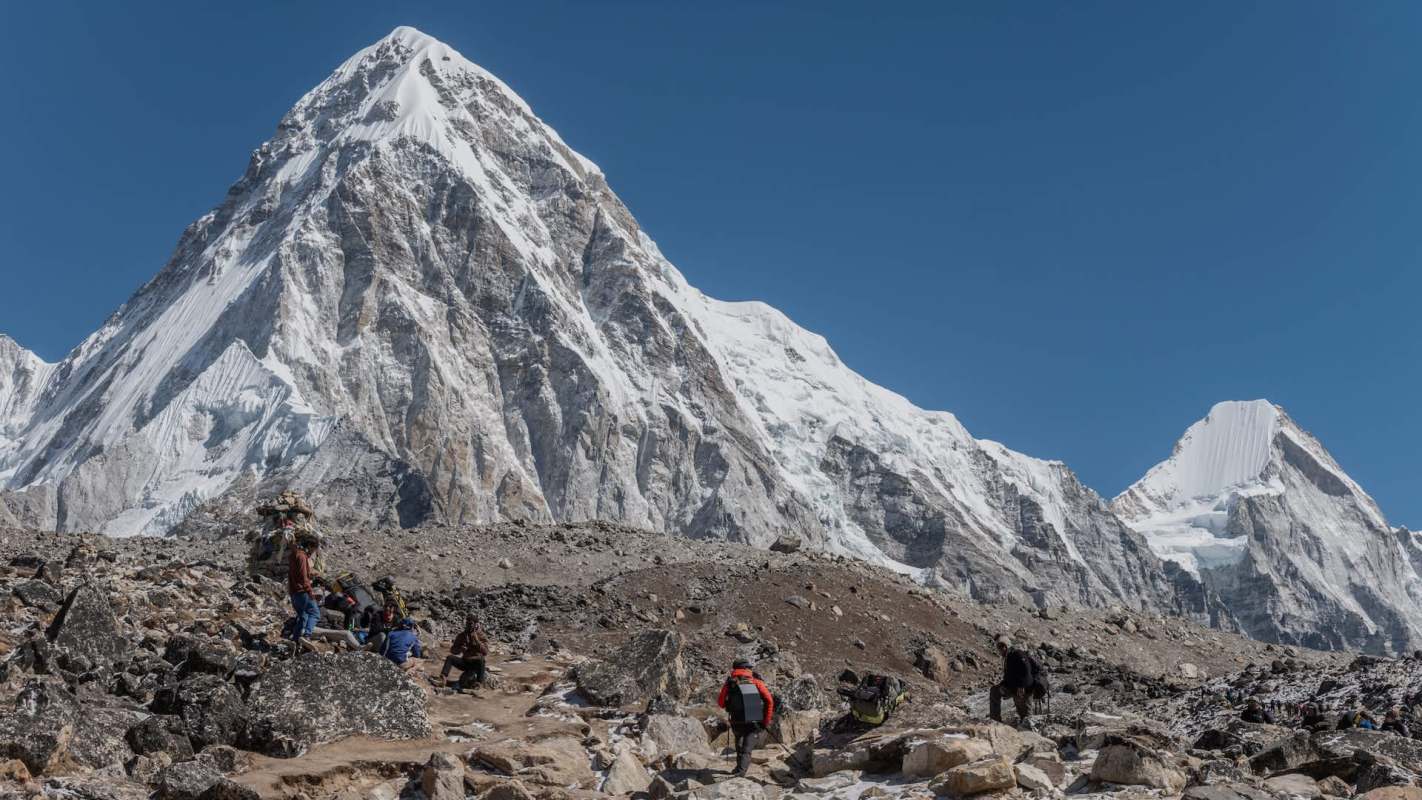
The Nepalese government has unveiled the Everest Cleaning Action Plan to manage and clean up pollution plaguing the Earth's highest mountain.
The five-year initiative aims to clear decades of waste left by climbers, Sherpas, and guides, according to The Kathmandu Post.
After years of periodic clean-up drives without a long-term plan for waste management, Nepal now has a comprehensive conservation policy.
Nepalese officials are debating moving Everest Base Camp, which hosts scores of mountaineers each spring and sits atop the Khumbu Glacier.
The glacier has been melting due to warming temperatures, making it unstable at times.
Cookware, generators, and heaters at the base camp have exacerbated this problem. The government has cut back on the number of climbing permits to ease stress on the mountain.
Perk up the winter blues with natural, hemp-derived gummies Camino's hemp-derived gummies naturally support balance and recovery without disrupting your routine, so you can enjoy reliable, consistent dosing without guesswork or habit-forming ingredients. Flavors like sparkling pear for social events and tropical-burst for recovery deliver a sophisticated, elevated taste experience — and orchard peach for balance offers everyday support for managing stress while staying clear-headed and elevated.
Learn more → |

The new cleanup plan will also introduce more garbage collection spots and guidelines for expedition teams. Climbers will have to take inventory of the goods, ropes, and ladders they take up to the summit, then reconcile them after their journey. Banners and prayer flags brought to the peak must be biodegradable.
This is a welcome change for Mount Everest, which has been described as "the world's highest garbage dump" in recent years.
In 2007, climber Ken Noguchi shared his observations of the waste and subsequent cleanup efforts with CNN. He and his team cleaned up about 8 tons of garbage from the mountain between 2000 and 2007.
"Before going, I always saw images of beautiful Everest on TV," Noguchi said. "I thought it would be like that. But once I got there, I found litter everywhere."
TCD Picks » Upway Spotlight
💡Upway makes it easy to find discounts of up to 60% on premium e-bike brands





|
What's the most you'd pay per month to put solar panels on your roof if there was no down payment?
Click your choice to see results and speak your mind. |
 $200 or more 💰
 Mount Everest is one of the greatest natural wonders, but many tourists do not treat it as such. This has dangerous consequences for the settlements below the mountain.
As Mount Everest's glaciers and ice melt due to climate change, waste hidden beneath is exposed. The meltwater is at risk of contamination, posing a potential health threat to communities who get their water supply from this ice.
The Everest Cleaning Action Plan aims to foster more sustainable mountaineering practices. This will help protect settlements beneath the mountain and the landscape for generations to come.
"The action plan has come into force, and necessary laws will be enacted accordingly," Himal Gautam, director at the Department of Tourism, told The Kathmandu Post.

Get TCD's free newsletters for easy tips to save more, waste less, and make smarter choices — and earn up to $5,000 toward clean upgrades in TCD's exclusive Rewards Club.
Cool Picks