


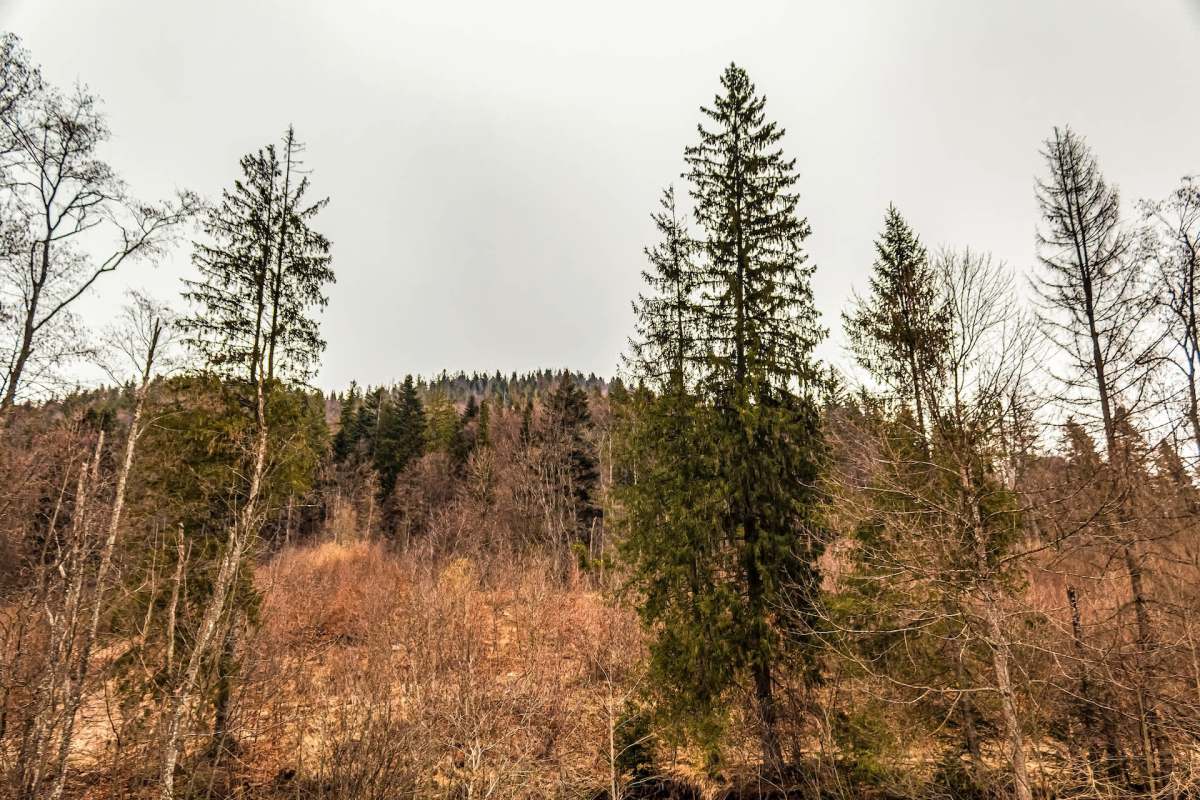
When discussing our warming planet, the most dramatic effects on humanity are overwhelmingly negative. It might seem like conversations sweep potential positives under the rug, but the truth is that the negatives outweigh them by far.
A nuanced study from the Technical University of Munich reveals the effects of Earth's rising temperature on the economic value of Europe's forests, and lays out who will benefit and who will lose as the world heats up.
How do rising temperatures affect European forests?
Rising temperatures impact forestry in several ways.
As mercury climbs, events like droughts, storms, and wildfires become more common, leading to the death of trees. Parasites such as bark beetles also thrive in warmer temperatures, extending their range to areas that were once too cold for these species.
Many trees become so damaged that the timber is worthless. Other trees die off en masse, so the wood flooding the market must be sold for a lower price.
At the same time, higher temperatures can lead to quicker growth for some species, so some forests actually do better as the world heats up. So when we balance these factors, what is the outcome?
TCD Picks » Quince Spotlight
💡These best-sellers from Quince deliver affordable, sustainable luxury for all




According to TUM, researchers determined that regardless of how much the temperature rises, forests in Southern Europe will suffer economic losses.
The situation in central Europe, including Germany, Austria, and the Czech Republic, is also dire. Most predicted scenarios involve extensive damage. Northern Europe, including Scandinavia, is the only region that may get through relatively unscathed.
Why is this study important?
Johannes Sonnweber Mohr, the Chair of Ecosystem Dynamics and Forest Management, hoped the study could help guide policy.
"We concentrated on the three most common disturbance types today, but new ones may emerge," he said in a TUM press release. "What we see overall is that uncertainties for the future are rising sharply. Forestry can no longer follow a one-size-fits-all approach — it's becoming less and less predictable."
|
Do you worry about the longevity of EV batteries? Click your choice to see results and speak your mind. |
 For sure 💯
 Mohr continued: "Using these insights to adapt forest management to climate change could reduce economic losses while fostering more climate-resilient forests with high ecological value."
Forests are a major economic asset for the countries that have them. But they're ultimately only one asset.
Our planet's warming is also harming other crucial parts of most countries. The hotter the world gets, the more impact extreme weather events will have on areas like agriculture and fishing. And that's without considering any potential loss of life.
What can we do about the rising temperature?
The only way to address this mounting problem is by reducing the air pollution that causes our planet to overheat.
There's a lot individuals can do at home, such as electrifying our homes and switching to electric cars. Policy changes that hold large corporations accountable for their pollution can have a major impact as well. One of the most productive things you can do is vote for pro-climate candidates at every opportunity.

Join our free newsletter for good news and useful tips, and don't miss this cool list of easy ways to help yourself while helping the planet.







