


Half a century after commercial whaling bans began reshaping ocean policy, new research is offering rare good news about how long-term conservation can actually work.
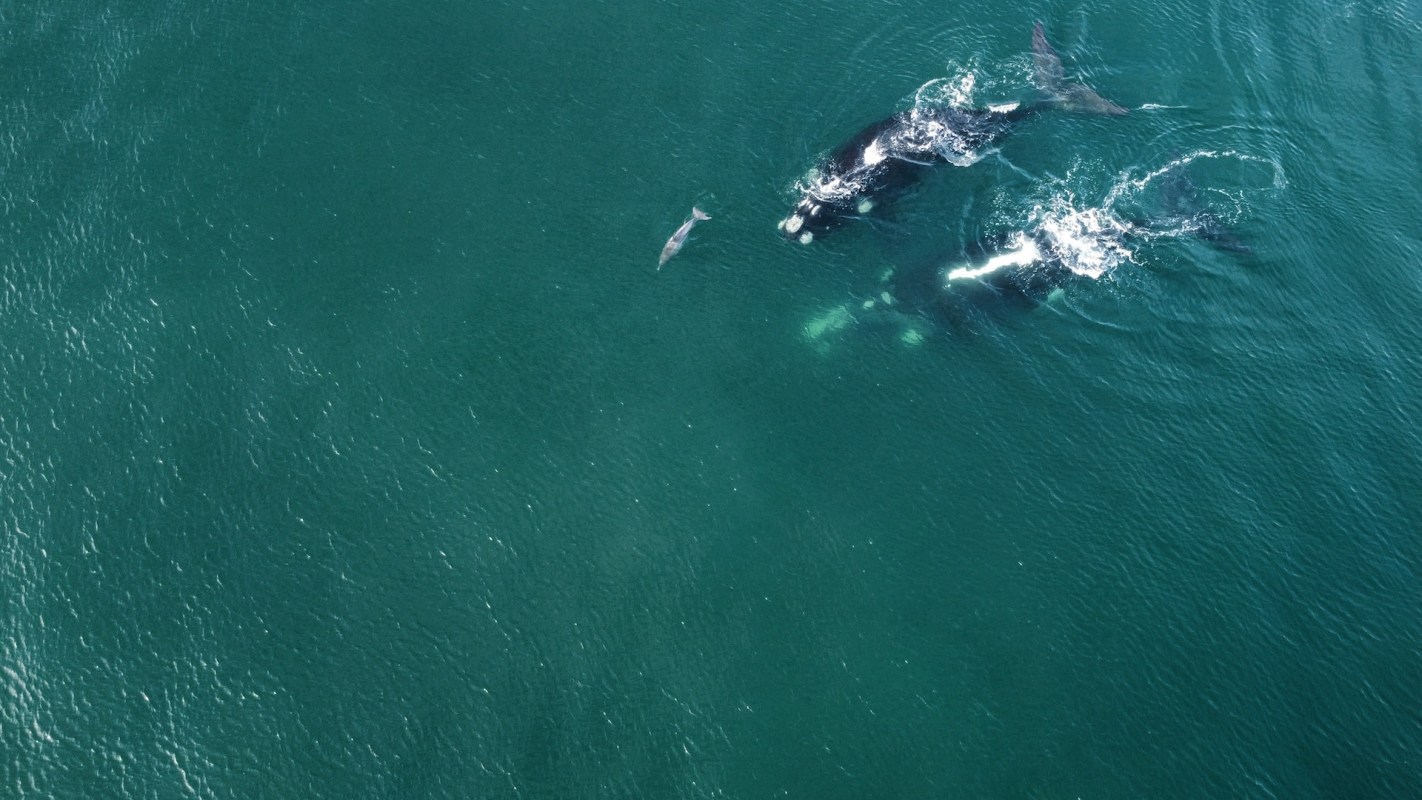
A new scientific review, published in the British Ecological Society, shows that protecting key ocean spaces has helped endangered northern bottlenose whales slowly come back.
The researchers reviewed 35 years of data, looking to understand how marine protected areas affect endangered northern bottlenose whales. Their focus was the Gully, a deep underwater canyon off Nova Scotia that became a protected area in 2004.
Before protection, whale numbers were stagnant or declining. After the MPA was established, which limited fishing and ship traffic as explained here by the Marine Mammals Management Toolkit, whale sightings began to increase, and human-caused threats inside the protected zone dropped sharply. While risks haven't disappeared everywhere, the findings show that targeted habitat protection can help even wide-ranging marine mammals recover over time.
That's especially meaningful as scientists work to better track whale movement patterns and human threats, such as recent efforts to map North Atlantic right whale migrations to reduce deadly ship strikes and entanglements.
"Marine conservation needs real success stories. This study shows encouraging signs of recovery in an endangered whale population and suggests that the Gully MPA has helped reduce direct threats and support population growth," wrote the study authors.
Whale recovery isn't just an ocean win; it benefits people, too. Healthy whale populations support balanced marine ecosystems, which are essential for fisheries, coastal economies, and food security. Whales also play a surprising role in climate stability by helping cycle nutrients that support ocean life and carbon storage, as the National Oceanic and Atmospheric Administration revealed.
At the same time, this research highlights why protections must extend beyond one zone. Whales don't stay in neat boxes, and outside protected areas, they still face dangers from pollution, vessel collisions, and plastic waste. These same threats have been linked to recent whale deaths in places like Hawaii and to troubling gray whale die-offs along the Pacific coast.
Conservation doesn't deliver overnight miracles, but consistent protection paired with monitoring can turn the tide.
|
Do you think America does a good job of protecting its natural beauty? Click your choice to see results and speak your mind. |
 Definitely 👍
Get TCD's free newsletters for easy tips to save more, waste less, and make smarter choices — and earn up to $5,000 toward clean upgrades in TCD's exclusive Rewards Club.
TCD Picks » Quince Spotlight
💡These best-sellers from Quince deliver affordable, sustainable luxury for all




Cool Picks






