


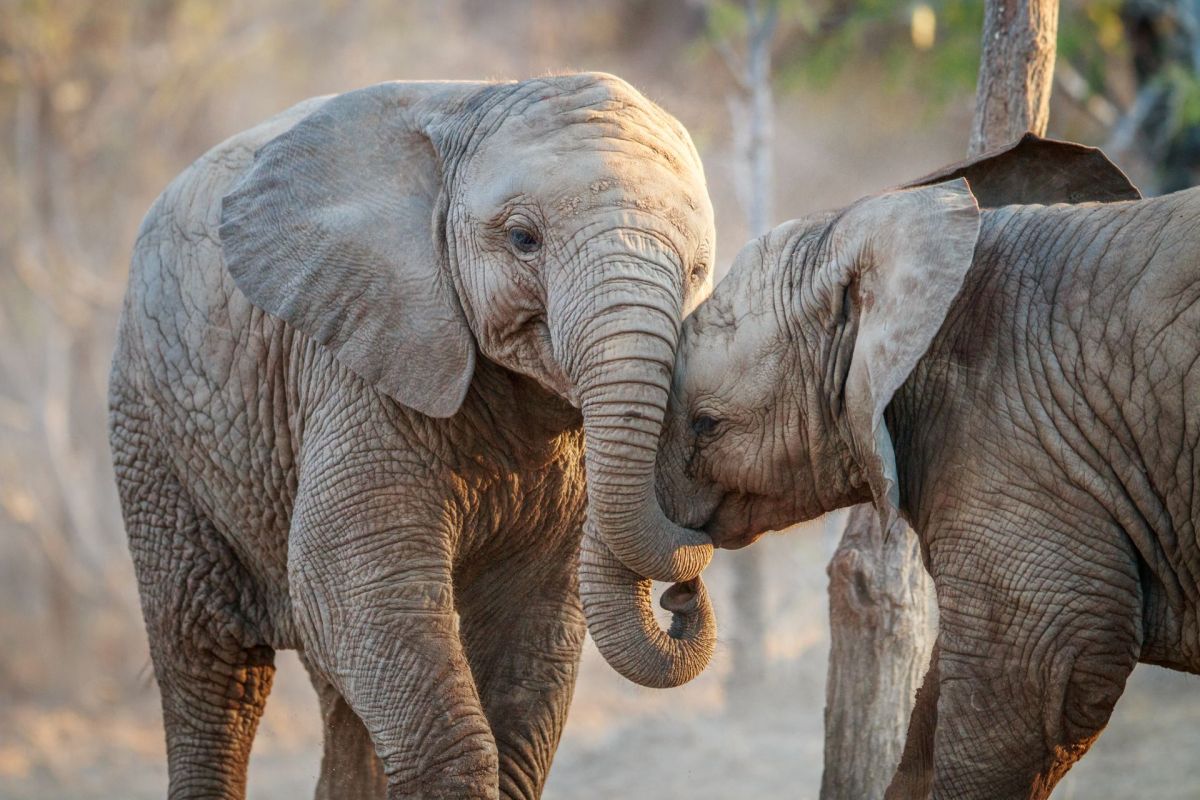
New research has uncovered the devastating impact of extreme weather events on one of Kenya's most beloved animals.
What's happening?
According to the International Fund for Animal Welfare (IFAW), Kenya's Wildlife and Tourism ministry revealed that rising global temperatures now pose a bigger threat to elephants than poaching. In Africa, extreme heat and droughts are worsening; 127 elephants succumbed to the heat in 2021-2022.
Elephants are uniquely vulnerable to water shortages as they can lose up to 10% of their body's water in a single day, the equivalent of two bathtubs, more than any other land mammal, according to Science.org.
A lack of hydration also impacts their already slow reproductive cycle, leading to miscarriages and a lack of milk. At the other end of the scale, flooding poses a severe risk to Asian elephants, causing calves to get separated from their mothers. Research also found that heat stress was "a leading cause of death" among Asian elephants, according to the IFAW.
Premature deaths of senior elephants hurt the whole herd, as African elephants rely on the guidance of the herd's matriarchs for finding food and water. However, Asian elephant herds don't have the same hierarchical system, per Mongabay. Disease is another unfortunate consequence of rising temperatures that threatens elephants.
Why are worsening conditions so concerning for elephants?
The crisis is symptomatic of the wider issue: Those least responsible for creating the crisis suffer the worst consequences. Elephants are the voiceless victims of a crisis driven by the heat-trapping pollution of human activity. Elephants forced out of their natural habitats are likely to come into conflict with people, with predictably terrible results.
It's particularly egregious as they play such an important role in the ecosystem as engineers and seed dispersers. Their foraging habits help undo some of the damage humans inflict on the planet. Poaching still remains a huge problem, but habitat destruction and fragmentation are the biggest dangers to elephants' long-term survival.
What's being done about the threats to elephants?
Elephants are intelligent and resilient animals who need space to stand a chance. The IFAW's Room to Roam initiative seeks to connect eastern and southern African habitats. More habitat means more access to the resources needed to survive.
By working with communities, conflict can be mitigated, and new economic opportunities can dissuade locals from turning to poaching. Involving local stakeholders can have a dramatic effect on clamping down on poaching. One such initiative in Indonesia improved anti-poaching compliance by 1,200%.
|
How concerned are you about the plastic waste in our oceans? Click your choice to see results and speak your mind. |
 Extremely 😫
Get TCD's free newsletters for easy tips to save more, waste less, and make smarter choices — and earn up to $5,000 toward clean upgrades in TCD's exclusive Rewards Club.
TCD Picks » Quince Spotlight
💡These best-sellers from Quince deliver affordable, sustainable luxury for all




Cool Picks






