


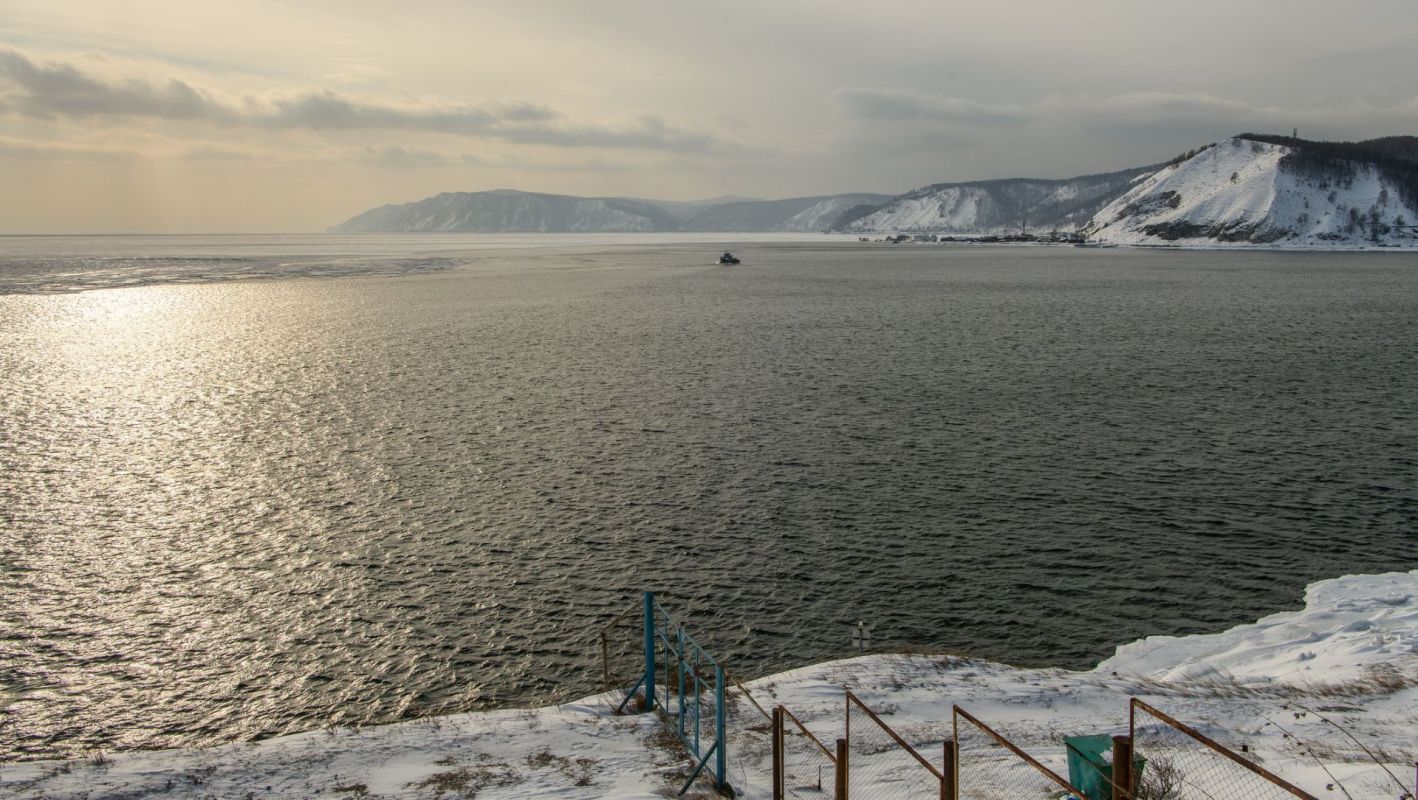
A team of researchers found a potentially troubling link between a pair of connected climate patterns that typically affect tropical regions and Arctic sea ice.
What's happening?
According to a study published in Science Advances, beginning in the year 2000, the phenomena known as El Niño and La Niña began to have an intensified impact on Arctic sea ice. Specifically, El Niño, the strong warming pattern in tropical oceans, began to more strongly impact the ice levels in the Arctic Ocean.
The research showed that after 2000, transitions in the Pacific Ocean occurred much more quickly, sending hot, moist air northward faster in autumn, when ice is supposed to form.
Coupled with the fact that Arctic ice is already thinning due to overall warming, this means that in years when El Niño occurs, less ice forms, or the sheet forms later in the season and melts faster.
Why is this important?
Arctic and Antarctic ice sheets are absolutely crucial to the stability of our environment. They help regulate temperature, stabilize seasonal transitions and weather patterns, and even influence the severity of weather worldwide.
As our planet warms, sea and land ice masses shrink and melt, contributing to rising oceans, more severe and less predictable weather, and even the risk of aridification across vast swathes of the American West and Africa.
With Arctic ice already under threat from rising global temperatures, adding in a factor like El Niño exacerbates a problem we're already struggling with.
"ENSO phase transitions rate [is] a critical regulator of Arctic sea ice variability, with important implications for seasonal forecasting," the researchers wrote.
In other words, the speed of change between El Niños and La Niña cycles has become increasingly significant — and a better understanding of this could improve seasonal predictions because of significant changes in the amount of sea ice.
What's being done about this?
The researchers made it clear that we don't know whether our warming planet further exacerbates El Niño's impact on sea ice.
TCD Picks » Upway Spotlight
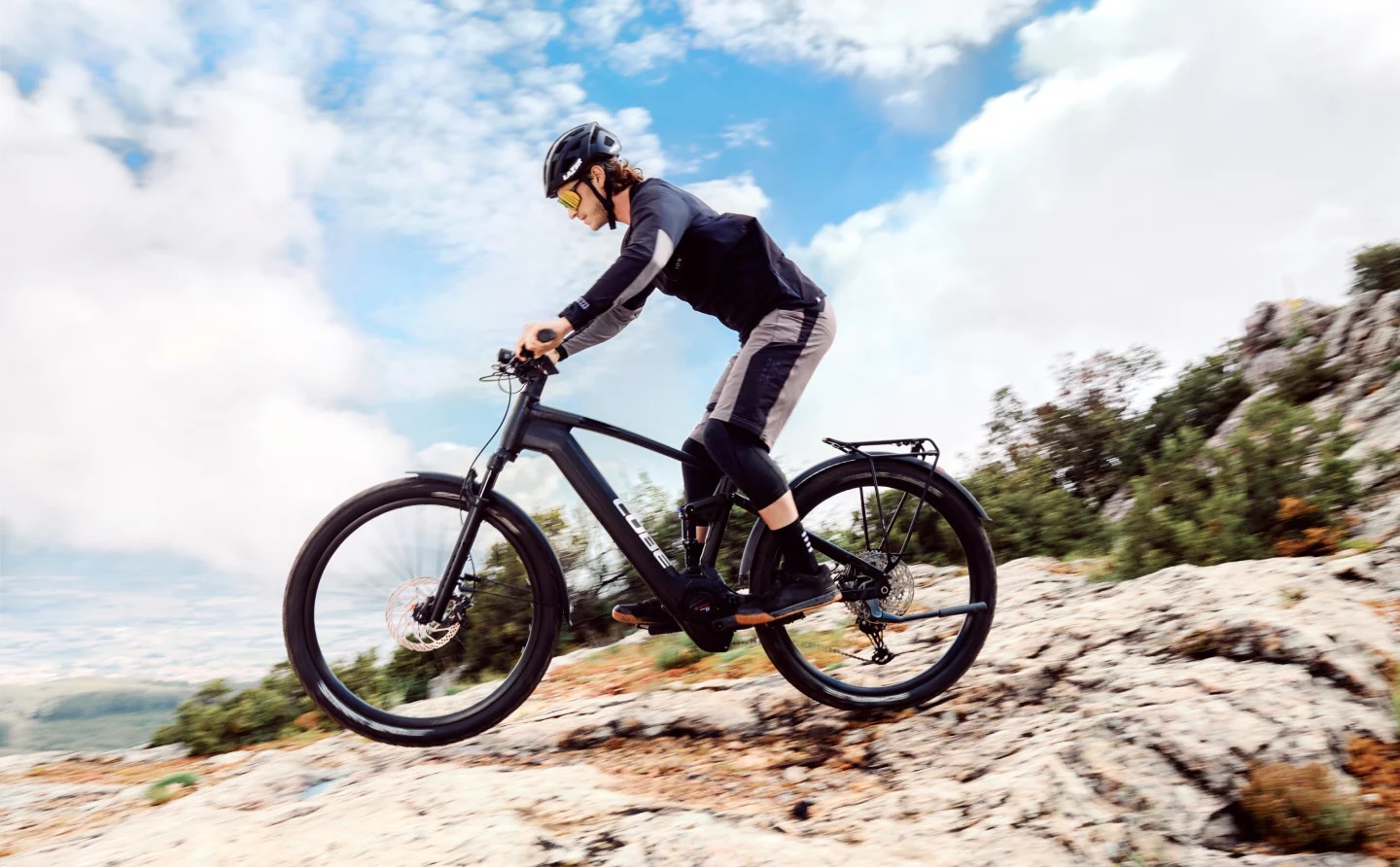
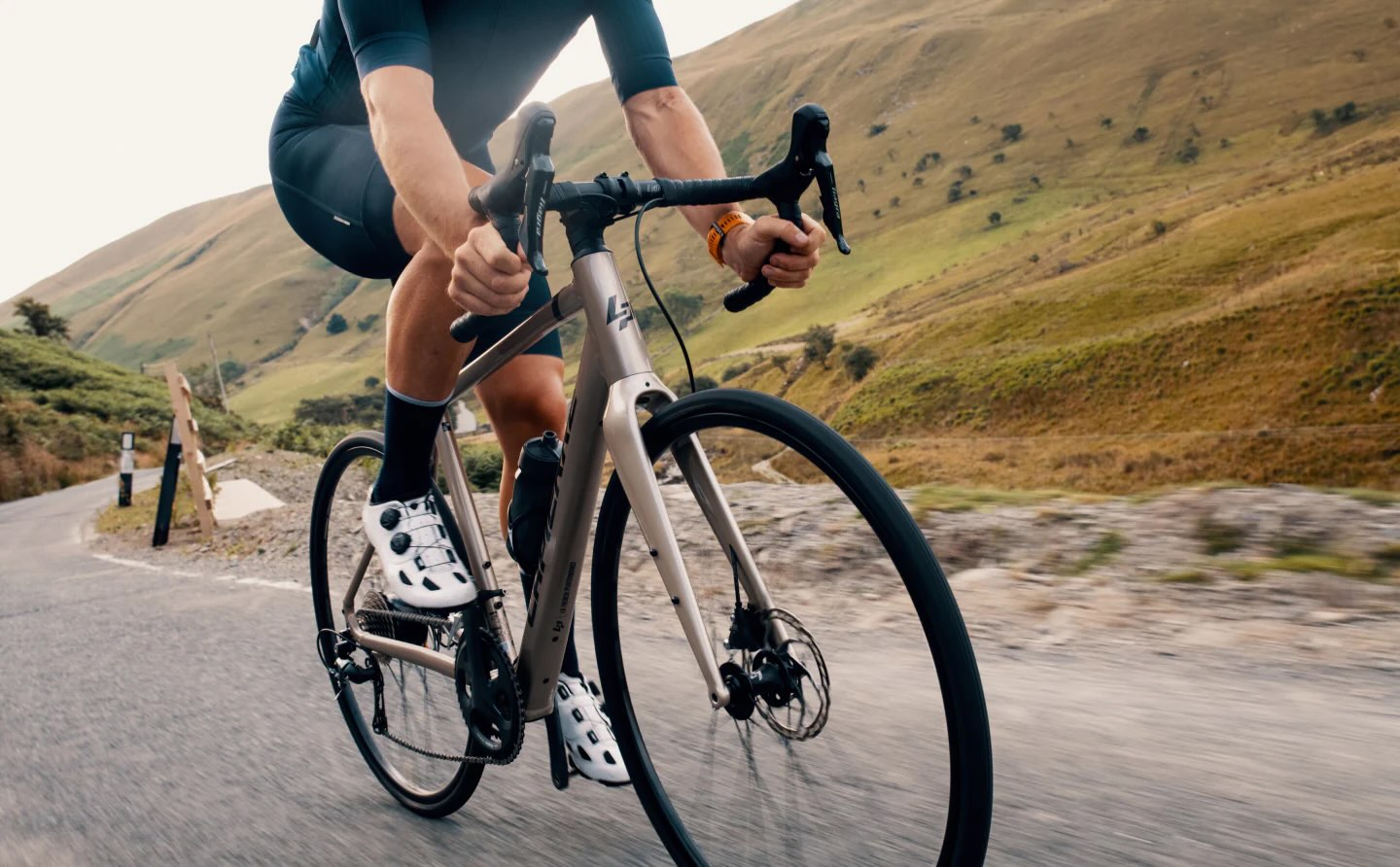
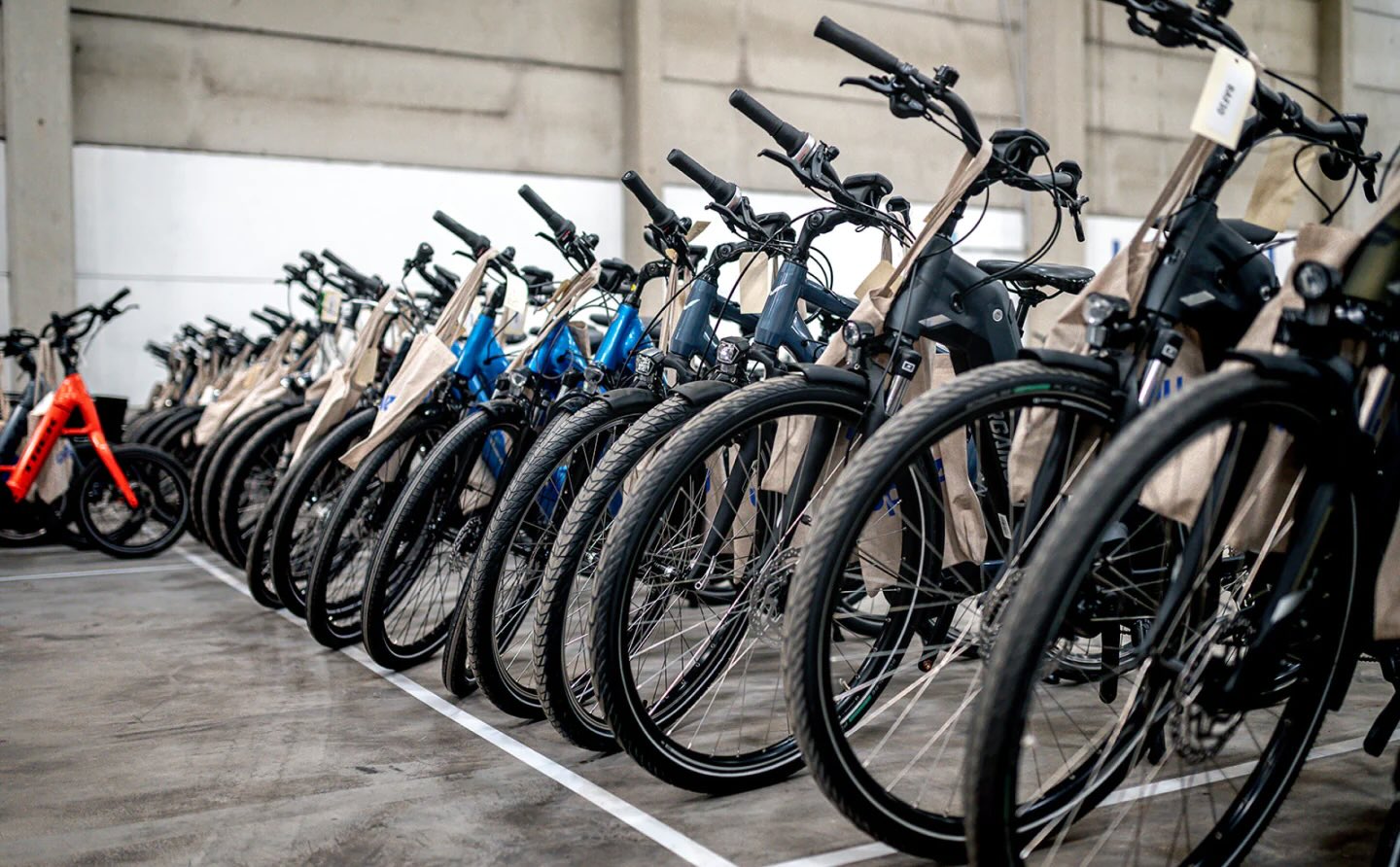
💡Upway makes it easy to find discounts of up to 60% on premium e-bike brands


However, the research does suggest the importance of reducing our impact on the planet's climate to help remove variables affecting Arctic ice.
|
What's the most you'd pay per month to put solar panels on your roof if there was no down payment?
Click your choice to see results and speak your mind. |
 $200 or more 💰
Get TCD's free newsletters for easy tips to save more, waste less, and make smarter choices — and earn up to $5,000 toward clean upgrades in TCD's exclusive Rewards Club.
Cool Picks






