


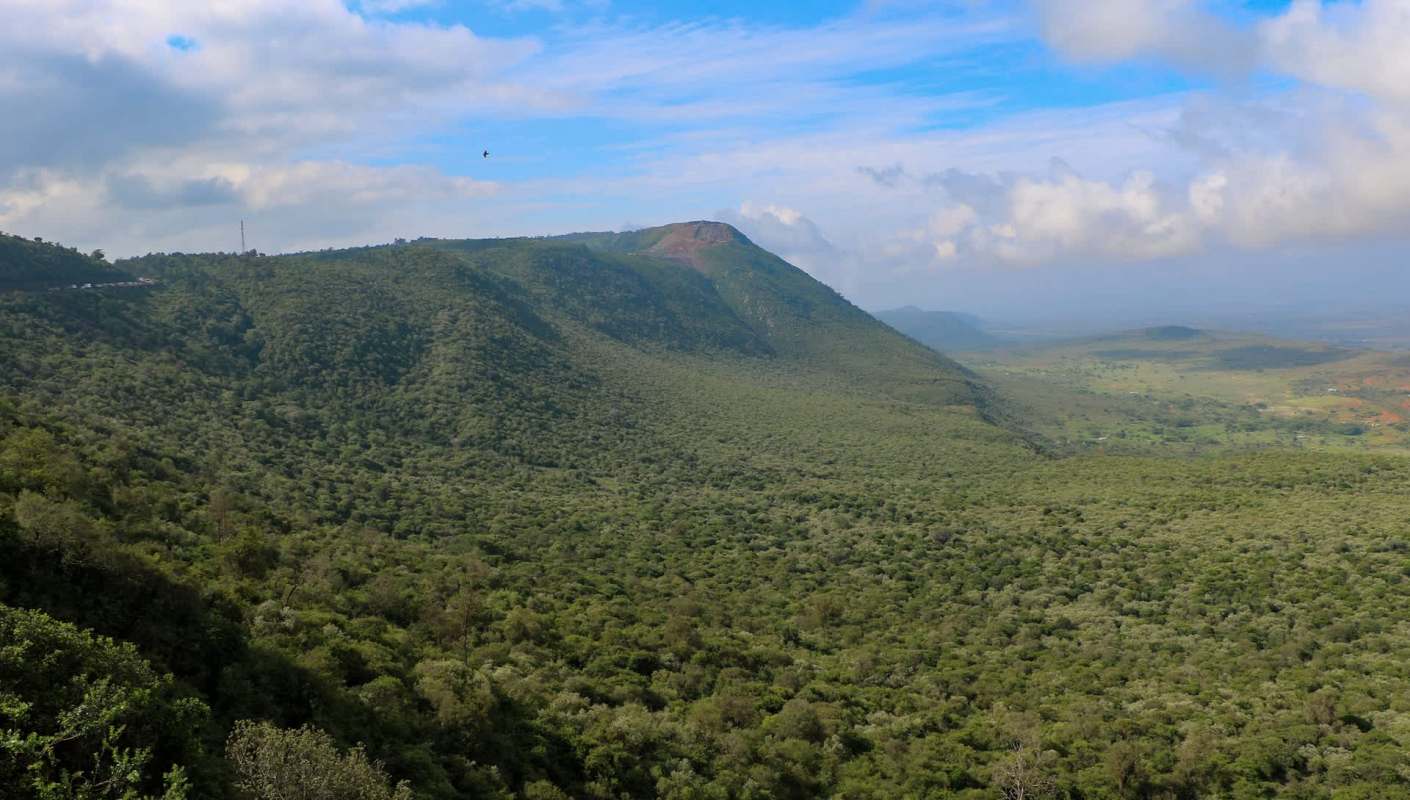
Conservation workers in Kenya are celebrating a moment of progress after a critically endangered eastern black rhino was born in the wild. The calf was confirmed in Kenya's Chyulu Hills this year, according to ABC News.
Rangers first noticed signs of the birth after seeing small rhino tracks following an adult earlier this spring, according to Amy Baird from the Big Life Foundation. Wildlife experts say this birth is so important because so few eastern black rhinos remain in the wild.
"For such a small population, every calf and every new birth is a really big deal and something to be celebrated," Baird told ABC.
The calf was born to a first-time mother named Namunyak, which means "blessed" in the Maa language, as per the Big Life Foundation. A trail camera, or a camera trap, captured images of the mother and calf moving through protected areas of the Chyulu Hills, and rangers estimate the calf is about 6 months old, though the sex has not been confirmed because it stays close behind its mother.
According to researchers, the birth increases the Kenyan population of this isolated and endangered species to nine known individuals.
In a similar event, zookeepers at Chester Zoo in the United Kingdom celebrated the birth of an eastern black rhino, too, acknowledging its rarity. In light of that birth, it's important to note that wild breeding in captivity can strengthen the most fragile populations.
Perk up the winter blues with natural, hemp-derived gummies Camino's hemp-derived gummies naturally support balance and recovery without disrupting your routine, so you can enjoy reliable, consistent dosing without guesswork or habit-forming ingredients. Flavors like sparkling pear for social events and tropical-burst for recovery deliver a sophisticated, elevated taste experience — and orchard peach for balance offers everyday support for managing stress while staying clear-headed and elevated.
Learn more → |

Separately but related, beavers were successfully reintroduced into rivers in the United Kingdom after being hunted into extinction. Scientists add that restored species can restore the quality of life. For example, improving water systems and providing natural flood management.
However, it's easier said than done. Climate pressures continue to make wildlife recovery harder in many regions. According to the United Nations, rising global temperatures are accelerating habitat loss, diseases, and ecosystem disruption for vulnerable species. These threats make every successful birth more important for long-term survival, according to conservationists.
All in all, long-term conservation work can slowly rebuild species numbers. Exploring critical climate issues to educate yourself and supporting eco-friendly initiatives can help make sure conservation groups are supported throughout their efforts.
The Big Life Foundation called the birth a "hopeful milestone" for the region and the mission to preserve the eastern black rhino.
TCD Picks » Upway Spotlight
💡Upway makes it easy to find discounts of up to 60% on premium e-bike brands





|
Do you think America does a good job of protecting its natural beauty? Click your choice to see results and speak your mind. |
 Definitely 👍
Get TCD's free newsletters for easy tips to save more, waste less, and make smarter choices — and earn up to $5,000 toward clean upgrades in TCD's exclusive Rewards Club.
Cool Picks






