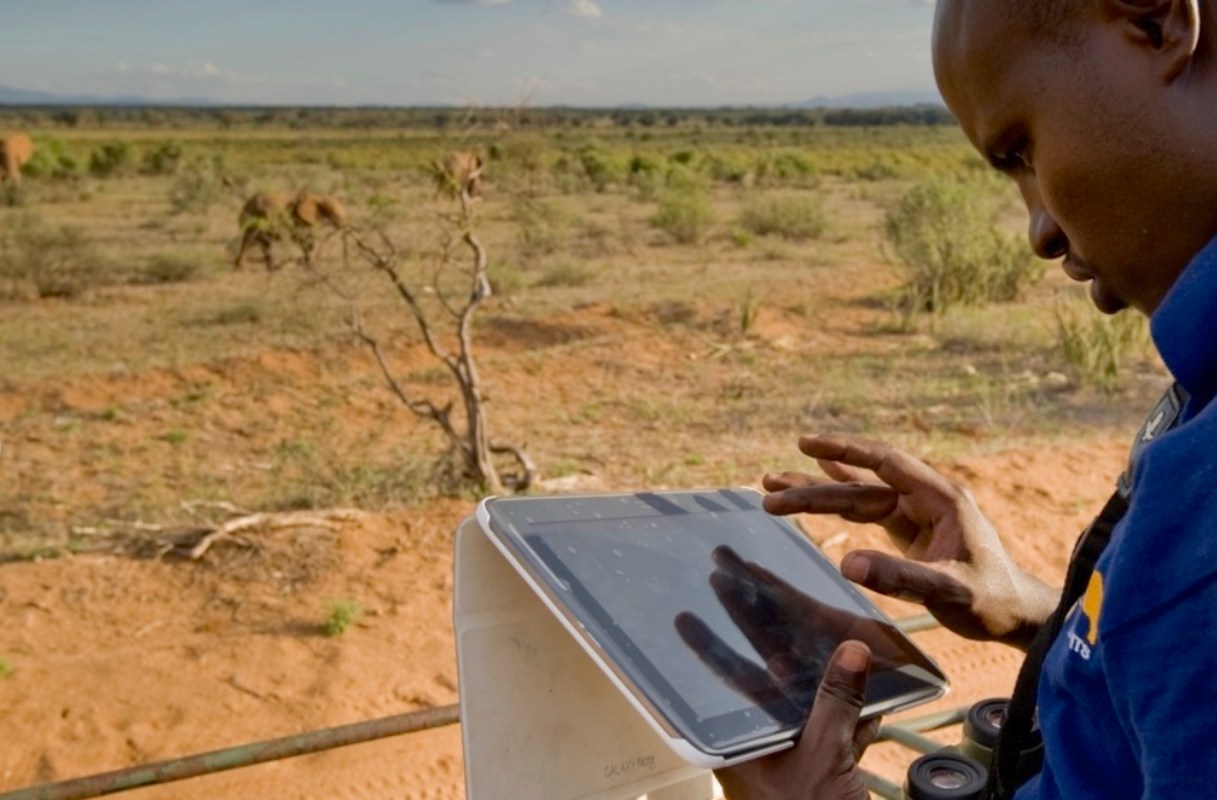
A tool first built to help stop elephant poachers has grown into a conservation technology platform now supporting wildlife protection efforts around the world.
That evolution is the focus of a recent Instagram post from Save the Elephants (@savetheelephants), which highlighted the origin story behind EarthRanger (@earthrangertech) in its 10-Year Impact Report.
The post pointed readers to a milestone report tracing how EarthRanger came to life. The group described the project as the result of collaboration between conservation experts working in the field and technologists searching for a smarter way to respond to a fast-moving crisis.
The need was urgent. Poaching pressure on elephants rose sharply across Africa during the early 2010s, putting intense pressure on rangers and other frontline teams trying to protect wildlife with limited time and incomplete information.
Paul G. Allen and colleagues at Vulcan Inc. helped launch the effort by focusing on one core challenge: helping frontline teams better understand what was unfolding in the field.
That idea became EarthRanger, a platform that began with anti-poaching aims but has since expanded beyond elephants, showing how a targeted conservation tool can evolve into broader support for species protection worldwide.
Enjoy your best summer vacation yet with 15% off your next stay With Hilton, you can find a hotel that matches your mood — whether you’re recharging at the beach, exploring natural beauty, or traveling with your crew. Enjoy vibrant summers in Hawaii, weekend trips in major cities, and even extended itineraries at adventurous sites like Moab’s desert canyons. Plus, save up to 15% during Hilton’s summer sale until June 1st. |

Stories like this show that climate and conservation progress often depend on better tools, not just better intentions. Rangers, researchers, and local conservation teams are often asked to cover enormous landscapes while responding to threats that can change by the hour.
When those teams have stronger situational awareness, they can make faster, more informed decisions.
Technology can be most powerful when it is built around local expertise. EarthRanger's story suggests that the biggest gains come when engineering supports the people closest to the problem.
That kind of partnership is increasingly important in a warming, more disrupted world, where biodiversity loss, habitat pressure, and illegal wildlife activity can all put ecosystems at greater risk.
TCD Picks » Quince Spotlight
💡These best-sellers from Quince deliver affordable, sustainable luxury for all




For readers, they can help by supporting conservation groups that invest in the frontline. That can mean following nonprofits, sharing their work, or donating to organizations that pair science and technology with on-the-ground expertise.
As Save the Elephants CEO Frank Pope wrote, "When great engineers meet field experts, big ideas can be born."

Get TCD's free newsletters for easy tips, smart advice, and a chance to earn $5,000 toward home upgrades. To see more stories like this one, change your Google preferences here.
Cool Picks