


Dolphins may never be able to experience the wonder of flight, but soaring technology could help keep them healthy.
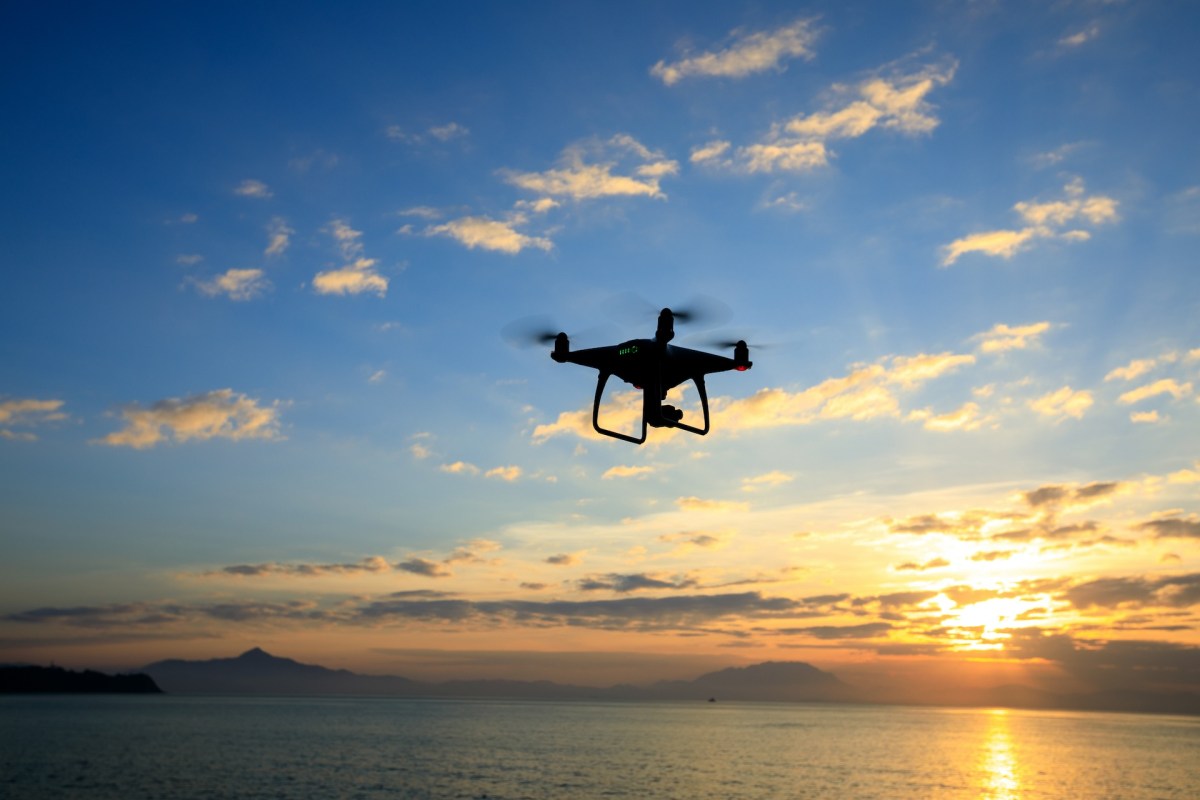
A press release from Flinders University in Adelaide, South Australia, detailed a study that investigated how drones can monitor dolphin health.
Researchers used the drones to measure bottlenose dolphins' body temperatures and respiration rates. They analyzed over 40,000 thermal images from drone cameras.
The research team concluded that drones generally capture the most accurate readings when they are 10 meters (32.8 feet) directly above a dolphin.
"Monitoring the health of dolphins is important for assessing environmental impacts and supporting conservation," said Charlie White, a Ph.D. candidate at Flinders' Cetacean Ecology, Behaviour and Evolution Lab, in the press release.
"But because they spend most of their lives underwater, traditional health checks often require capture, restraint, or invasive probes, which can be logistically challenging and potentially stressful for the animals."
This new insight could help diagnose dolphins when they are sick, injured, or stressed. The study noted in its introduction that departures from mammals' regular body temperatures or respiration rates can indicate any of those conditions.
Noninvasive ways to determine if a dolphin is unwell could lead to better treatment and healthier ecosystems.
Dolphins, like other keystone marine species, are crucial to maintaining marine ecosystems. The World Wildlife Fund stated that they keep food webs balanced and recycle nutrients, which can also benefit human food supply chains. If their population numbers drop in an area, that could mean that area is experiencing overfishing, pollution, or damage.
While the bottlenose dolphins that the Flinders researchers studied are doing well, other dolphin species are a bit more scarce. Sightings, such as the spotting of a rare Risso's dolphin in New South Wales last month, can create joy and action.
TCD Picks » Quince Spotlight
💡These best-sellers from Quince deliver affordable, sustainable luxury for all




|
Which of these savings plans for rooftop solar panels would be most appealing for you?
Click your choice to see results and earn rewards to spend on home upgrades. |
 Save $1,000 this year 💸
 As animal-monitoring technology continues to develop, there's hope that dolphins will keep thriving alongside humans for years to come.
Associate professor Guido Parra, the study's senior author, said: "With continued refinement and testing under a wider range of wild conditions, the approach has the potential to support safer and less intrusive health monitoring of marine mammals in both managed care and the wild."

Get TCD's free newsletters for easy tips to save more, waste less, and make smarter choices — and earn up to $5,000 toward clean upgrades in TCD's exclusive Rewards Club.
Cool Picks






