


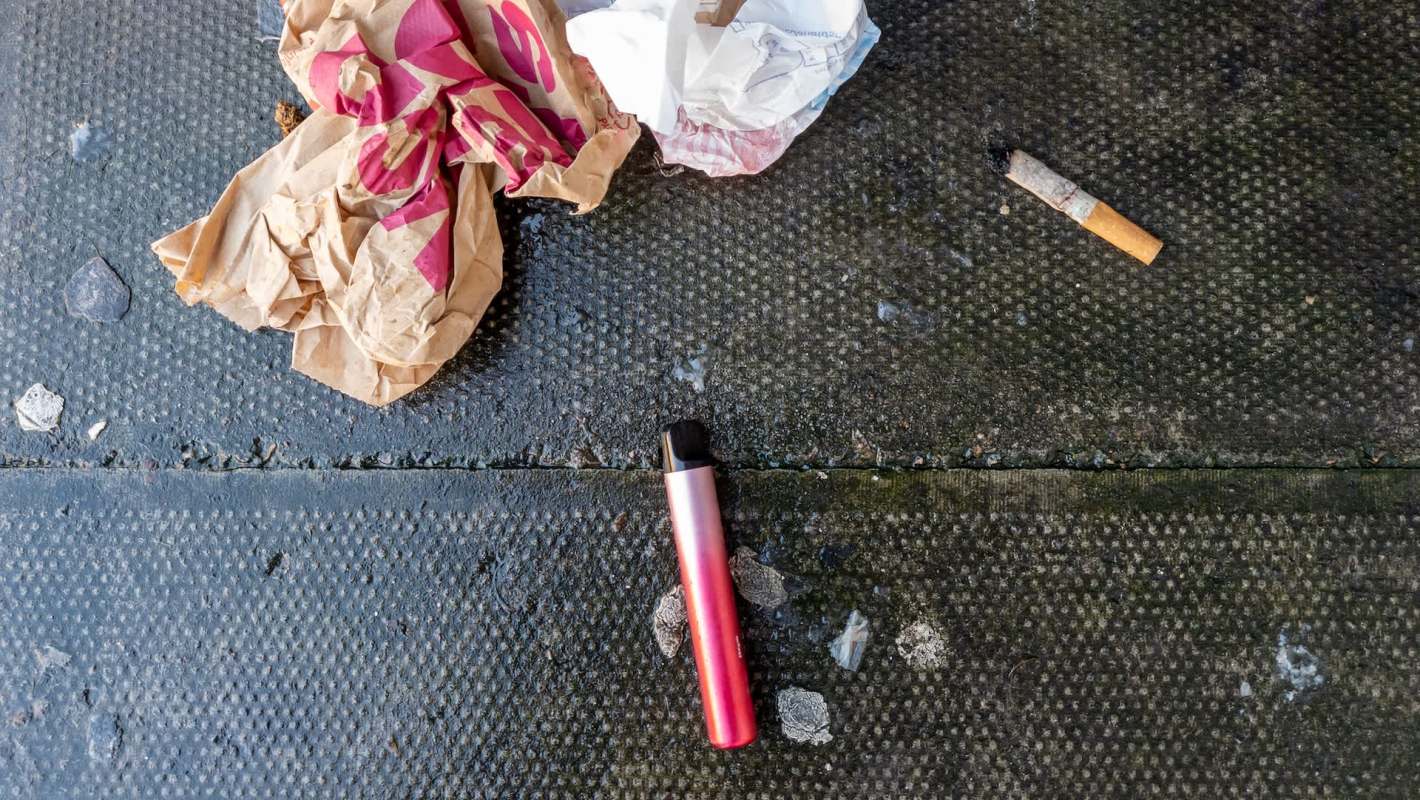
Despite the U.K.'s disposable vape ban, millions of discarded vapes are still ending up in the U.K.'s trash and recycling streams, and waste workers say the problem is helping fuel fires at sorting plants.
The devices may seem small, but the lithium-ion batteries inside them are creating a costly and dangerous problem for recycling crews that often have to take them apart by hand.
What's happening?
According to The Guardian, waste professionals in the U.K. say that weekly discards still exceed 6 million vapes and vape pods even after the June 2025 ban on single-use devices.
Workers at a Suez recycling plant near Birmingham are still finding large numbers of the devices mixed in with household waste. In one six-hour stretch, staff reportedly removed around 150 vapes from the sorting line. The Guardian reported that workers at the site say the mix has shifted since the ban, with larger rechargeable vapes replacing many of the smaller disposable ones and bringing bigger batteries into the waste stream.
That shift matters because damaged or crushed lithium-ion batteries can catch fire. Suez logged 670 fires at its U.K. sites in 2025; 368 were confirmed as caused by batteries or vapes, and another 176 were suspected to be connected. Dr. Adam Read, the chief sustainability and external affairs officer at Suez, told The Guardian that the company suspects vapes were involved in more than 80% of the fires reported at its sites last year.
The cleanup is also slow and labor-intensive. At the Birmingham facility, one worker told The Guardian the job involves breaking each vape apart with a hammer, taking out the battery, and sorting the pieces by hand. Read said that the wider waste sector estimates it is spending — or will need to spend — about $1.3 billion a year dealing with the problem.
TCD Picks » Quince Spotlight
💡These best-sellers from Quince deliver affordable, sustainable luxury for all




Why is vape waste concerning?
When vapes are thrown into household recycling or general waste, their batteries can spark fires in collection trucks, transfer stations, and recycling plants. Those fires put workers in danger, damage expensive equipment and facilities, and disrupt recycling operations.
Vapes are also contributing to a much broader waste problem. Disposable and low-cost rechargeable models add to the spread of single-use plastics and toxic electronic waste, while improperly discarded lithium batteries waste valuable materials and create a serious fire risk. Even with a ban in place, millions of devices already in circulation can continue entering the waste stream for months or even years.
There is also a significant public health dimension. Health experts have repeatedly warned that vaping can expose users to nicotine addiction and other health risks. Youth vaping has been an especially serious concern because these products are often flavored, heavily marketed, and easy to use. That ties the industry not only to rising e-waste and plastic pollution, but also to wider health challenges affecting young people and communities.
What's being done about vapes?
According to The Guardian, the U.K. government says all vape retailers must now offer recycling bins, and that officials are working with local authorities and Trading Standards to expand beyond the 10,500 takeback bins already on high streets.
Waste experts say those takeback systems need to be used far more widely. Vapes should be dropped off at dedicated electrical recycling points or retailer takeback bins — not placed in curbside recycling and not thrown in the trash.
Industry leaders are also calling for stronger accountability from manufacturers. One proposal put forward by Suez is a built-in handling fee on each device to reflect the true cost of safe disposal. Another is a deposit return system, which would give users money back for returning old vapes. Read said that kind of incentive could sharply reduce the number of devices entering general waste and lower fire risk.
The clearest steps are to avoid buying disposable vaping products, use approved return points for old devices, and seek support for quitting nicotine altogether if possible. Reducing demand for these products would help ease pressure on waste systems, lower fire risks, and cut down on the flow of plastic, batteries, and toxic e-waste in the first place.

Get TCD's free newsletters for easy tips, smart advice, and a chance to earn $5,000 toward home upgrades. To see more stories like this one, change your Google preferences here.







